Guadalupe Basualdo
Consultant, Iberarchivos Program, Argentina
Correspondence to Guadalupe Basualdo, Email: guadabasu@gmail.com
Volume 2, Number 1, Article 2, December 2025.
International Journal of Documentary Heritage 2025;2(1):2. https://doi.org/10.71278/IJODH.2025.2.1.2
Received on August 21, 2025, Revised on November 30, 2025, Accepted on December 01, 2025, Published on December 30, 2025.
Copyright © 2025 Author(s).
This is an Open Access article distributed under the terms of the Creative Commons Attribution 4.0 International License (CC BY 4.0) (https://creativecommons.org/licenses/by/4.0/).

This article presents the results of the diagnostic process carried out by the Iberarchivos Program in 2023, aimed at strengthening archival and gender equality policies in national archives across IberoAmerica, within the framework of the Sustainable Development Goals (SDGs) of the 2030 Agenda. The study focused on strategic areas such as transparency and access to information, electronic records management, archival legislation, gender policies, institutional evaluation, and monitoring mechanisms. A sample of 17 national archival institutions was analyzed to produce a comparative characterization of their organizational structures and personnel policies. The analysis identified good practices, common challenges, and regional trends that reflect the degree of maturity in the implementation of public archival policies. The article seeks to share the main findings of this research and to present the specific methodology developed, centered on a maturity model designed to assess archival and gender-related policies. The model’s conceptual foundations, analytical dimensions, and applications in strategic planning, institutional evaluation, and regional cooperation are described. This tool contributes to strengthening documentary management capacities in the region and promoting inclusive and sustainable policies, in line with the principles of UNESCO’s Memory of the World Programme.
archival policies, maturity models, gender equality, institutional evaluation, transparency, records management, Ibero-America, Iberarchivos Program, Sustainable Development Goals (SDGs)
In a context where information and documents constitute strategic resources for transparency, collective memory, and the formulation of public policies, a central question arises: How can we design a maturity model that contributes to strengthening records management policies and gender equality within archival institutions, understood as key actors in the broader ecosystem of memory institutions? The growing complexity of institutional environments and the diversity of national realities across Ibero-America demand tools that can diagnose, compare, and guide the improvement of archival policies in alignment with the Sustainable Development Goals (SDGs) of the 2030 Agenda.
To understand the initiative that gave rise to the maturity model analyzed in this article, it is necessary to situate it within the institutional framework of the Iberarchivos Program. Created in 1998, the program is a cooperative alliance among 17 national archival institutions in Ibero-America: the Archivo General de la Nación of Argentina; the Archivo Nacional of Brazil; the Archivo Nacional of Chile; the Archivo General de la Nación of Colombia; the Archivo Nacional of Costa Rica; the Archivo General de la Nación of Cuba; the Archivo Histórico Nacional of Ecuador; the Archivo Histórico Nacional of El Salvador; the Subdirección General de los Archivos Estatales of España; the National Archives of the Philippines; the Archivo General de la Nación of México; the Archivo Nacional of Panamá; the Archivo General of Perú; the Directorate-General for Books, Libraries, and Archives of Portugal; the Archivo General de la Nación of Puerto Rico; the Archivo General de la Nación of the Dominican Republic; and the Archivo General de la Nación of Uruguay (Figure 1).
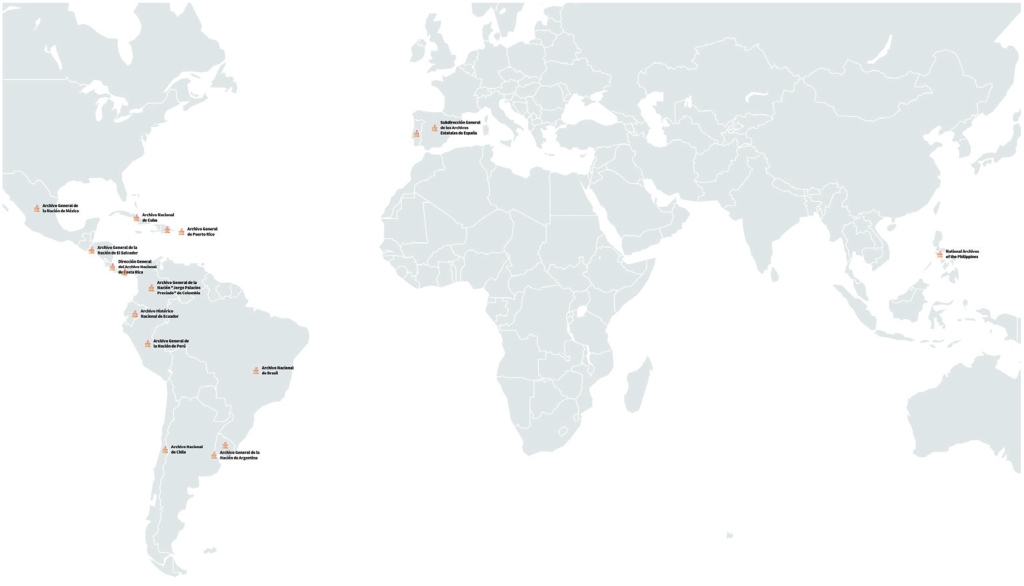
Figure 1. Map of Iberarchivos Archival Institutions
Iberarchivos promotes access to, organization, description, preservation, and dissemination of Ibero-American documentary heritage. Endorsed by the Ibero-American Summits of Heads of State and Government and integrated into the Cultural Space of the Ibero-American General Secretariat (SEGIB), the Program supports regional archival development through annual project calls, exchange grants, prizes, and initiatives that strengthen capacities and foster professional solidarity among archives (national archives, municipal archives, and archives related to human rights, women, Indigenous peoples, and Afro-descendant communities, among others).
In May 2023, the Intergovernmental Council approved the 2023–2026 Strategic Plan, which proposed generating greater knowledge about the archival landscape in Ibero-America. Within this strategic framework, a regional diagnostic study was conducted in 2023 to lay the groundwork for a tool for the systematic analysis of archival policies.
This process led to the creation of the Ibero-American Archives Observatory, inaugurated in May 2025, with the purpose of generating and consolidating up-to-date knowledge on archival policies and gender-equality policies in the region. The Observatory is a web-based platform that disseminates the Data Center on Archival Policies and Gender Equality. It established its own methodology through a system of indicators. Its first publication presents the results obtained from the 2023 data-collection process, based on the analysis of 49 indicators applied to 17 national archival institutions.
This article presents the results of the study that enabled the design of the maturity model for archival policies, which constitutes the methodological core of the Observatory. This model—conceived as both a diagnostic tool and a strategic planning instrument—assesses the institutional capacities of national archives across key dimensions: transparency and access to information, electronic records management, archival legislation, gender equality, institutional evaluation, and monitoring mechanisms.
The methodological design included the development of specific instruments and comparable indicators across countries, combining structured questionnaires with in-depth institutional interviews to contextualize and validate the data. The results enabled the construction of a comparative perspective, the identification of good practices and shared challenges, the centralization of previously dispersed information, and the visibility of new analytical dimensions in the field of archival policies and gender equality. Its adoption as the foundation of the Ibero-American Archives Observatory represents a significant step toward consolidating a regional tool for archival planning, evaluation, and cooperation.
The creation of specific indicators and the systematic analysis of policies in the archival field can serve as key tools for advancing the objectives of the 2030 Agenda. Far from being an isolated technical field, archival science has a transversal impact on crucial dimensions of sustainable development, such as institutional transparency, the preservation of collective memory, education policies, access to information, and the exercise of human rights.
Moreover, establishing frameworks for the evaluation and analysis of archival policies enables the identification of gaps, the prioritization of interventions, and the design of more effective strategies aligned with sustainability principles. Without indicators, policies lack an empirical foundation, making it difficult to monitor them and to link them to global targets.
The indicators developed for this diagnostic process were designed in alignment with the 2030 Agenda, with the intention of measuring the degree of implementation, impact, and sustainability of archival policies in relation to the SDGs. For instance, SDG 16 aims to “promote peaceful and inclusive societies, provide access to justice for all, and build effective, accountable and inclusive institutions at all levels” (United Nations, n.d.). Properly managed archives guarantee the right of access to information and promote accountability, thereby strengthening the rule of law and the protection of human rights—two key dimensions for achieving this goal. Indicators on public access to archival holdings, normative advances, document digitization, and staff training in archival institutions provide concrete data on national-level progress in this area.
SDG 4 seeks to ensure inclusive, equitable, and quality education and to promote lifelong learning opportunities. Archives contribute to education by providing access to primary sources, fostering critical thinking, and enriching teaching processes and scientific research. Indicators on access channels for consultation, user diversity, dissemination, and description tools, as well as staff training in accessibility, are essential in measuring this impact.
SDG 11 focuses on making cities and human settlements inclusive, safe, resilient, and sustainable. Documentary heritage management is central to preserving cultural identity and historical memory. Measuring investment in archives and citizen participation in records management provides evidence to support more inclusive and resilient policies.
In summary, bolstering measurement and analytical capacities in the archival field not only improves records management but also becomes a strategic action to meet the commitments set out in the 2030 Agenda.
Understanding documentary heritage and its management requires framing the reflection within a broad conceptual perspective that addresses the institutional, social, and methodological dimensions of the archival field. This paper examines three complementary lines of analysis that guided the design of the diagnostic process and the proposed models.
First, archival policies are analyzed as public policies, recognizing that the organization, preservation, and access to archives are not merely technical matters, but part of broader state and social strategies that determine which memories are preserved or marginalized.
Second, the paper explores gender equality and the mainstreaming of this perspective in the archival field, considering its impact on the production, organization, and visibility of documentary heritage, as well as on professional practices and institutional agendas.
Finally, it examines maturity models—tools originally developed in other domains to evaluate and guide organizational development—and their adaptation in the archival field as instruments for diagnosing capacities, setting goals, and guiding processes of continuous improvement.
Even though it cannot yet be considered a fully consolidated field, the relationship between archival policies and public policies has been gaining increasing importance in research on archival studies, governance, and memory in Latin America (Jardim, 2013). In line with contemporary state modernization processes, various studies have examined the role of archival science in institutional transparency, effective state management, and processes of historical memory and reparation. In this regard, several specialists agree that, far from being merely technical procedures, archival policies form part of the core of state functioning, as they structure the production, management, preservation, and accessibility of the documents that underpin public action (Jardim, 2010).
To understand this assertion, it is necessary to begin with a definition of the State and of public policy. Following Oszlak and O’Donnell (1981), the State can be understood not as a monolithic entity but as the result of a dynamic process of interactions, conflicts, and alliances among multiple actors and social forces. From this perspective, the State does not constitute a purely technical domain of management or policy advising, and public policies must be conceived as historical and social products. According to these authors, state policy involves any “position taken and course of action adopted by an actor who speaks on behalf of and in representation of the State in the face of a socially problematized issue.” Consequently, archival policies are not limited to tools for administrative efficiency; rather, they function as instruments to guarantee fundamental rights such as transparency, legal certainty, access to information, and, more broadly, memory and history (Heredia Herrera, 2007; Cruz Mundet, 2012).
This approach is particularly relevant in Latin America, given the role that documentary and archival policies have played in transitional justice processes and in disputes over memory following periods of dictatorial governments or internal political violence. The return to democracy and the expansion of the right to information spurred renewed debates on the function of archives as a social resource (Jardim, 2010). Various studies have shown how archival policies became central to the opening of judicial processes, the establishment of memory and reparation policies, and the reform of democratic states, through the use of administrative records and documents from agencies linked to the armed and security forces (Boccia Paz, Palau Aguilar & Salerno, 2008; Markarian, 2016; Meoño Brenner, 2021; Sikkink, 2017; Ruderer & Straßner, 2015; López Macedoni, 2018, Vergara Low, 2022). In Argentina, Jelin (2002, 2017) and da Silva Catela (2007, 2011) demonstrated that memory policies—and, by extension, the archival policies that made them possible—constitute public policies that define which memories are legitimized and which remain silenced. Complementarily, Antonio González Quintana (2017) highlighted advances in the treatment of the archives of repression.
From the Latin American archival field, authors such as José María Jardim have proposed specific conceptual frameworks to analyze the articulation between archives and public policy. Jardim defines archival public policies as “the set of premises, decisions, and actions—produced by the State and incorporated into governmental agendas in the name of the public interest—that consider the various aspects (administrative, legal, scientific, cultural, technological, etc.) related to the production, use, and preservation of archival information of both a public and private nature” (Jardim, 2010, p. 211). He also emphasizes that the absence of archival infrastructure or of solid regulatory frameworks generates inequalities in access to public records and limits accountability.
At the international level, Terry Cook’s reflections on the paradigm shifts in archival theory and practice over the past 150 years are particularly relevant. Cook identifies four paradigms: legal legacy, cultural memory, social engagement, and community archives, associated with the notions of evidence, memory, identity, and community (Cook, 2013). He also highlights the persistent tension between those who prioritize protecting the evidential value of the actions of record creators and those who foreground the subjective and cultural dimensions of the archive. In response to this tension, Cook proposes that the “community” paradigm, especially in digital environments, may offer a constructive path for articulating approaches previously presented as oppositional. As Flinn (2020) summarizes, Cook does not support a sharp divide between evidence and memory; rather, he understands them as “friendly cousins” that relate to each other in creative, if sometimes conflicting, ways.
Drawing on this conceptual framework, the archival policies analyzed in this article are understood simultaneously as administrative infrastructures and as forms of evidence, as well as political decisions and technical practices that determine what is preserved in national archives, how records are classified and described, under what conditions they are accessed, and how their long-term preservation is ensured. In Latin American countries, their relevance becomes even more evident in the wake of the profound transformations that followed the repressive regimes of the second half of the twentieth century, which substantially altered the administrative and political functioning of States. In this sense, archival policies can be understood as decisions that shape the relationships between the State, citizenship, and collective memories.
The incorporation of a gender perspective into heritage management—including archives, museums, and collections—has become increasingly relevant, driven by debates and transformations prompted by feminist and diversity movements over recent decades. Gender equality has been integrated into public administration, transforming educational programs and professional training, demonstrating that equitable gender relations are realized not only theoretically but particularly in professional practice and institutional life.
The emergence of a transformative feminist agenda has sparked debates within archival science, challenging the historical invisibility of women as producers, custodians, and protagonists of memory, as well as the lack of preservation of women’s records. Archival methodologies themselves have been scrutinized, questioning technical processes such as descriptive practices based on documentary holdings, as well as the language, categories, and practices employed until now (Vassallo, n.d., 2018).
Initiatives such as adopting inclusive language, reviewing acquisition and description policies, incorporating institutional plans or objectives for equality (Pereira Oliveira et al., 2019), and establishing dedicated gender equality bodies within professional associations and networks (Dirección de Género, Universidad de Chile, 2020) reflect institutional changes that recognize the role of equality in building a plural and equitable memory.
In line with this perspective, organizations and academics have emphasized the need to address not only women’s equality but also diversity and other marginalized groups. This approach entails an intersectional understanding of inequality, considering gender alongside other factors such as class, race, and geography (Morera, 2018).
A gender perspective requires critically reviewing preserved holdings, employed methodologies, and the representation of women’s and historically marginalized groups’ experiences and contributions (Caswell et al., 2016; Eichhorn, 2013; Jimerson, 2009). Identifying gaps—such as the limited presence of women’s personal papers, the neglect of archives related to feminism and diversity, or unequal representation in decision-making—served as the starting point for developing indicators in the Gender Equality Model (Al filo, 2023).
Archives, as spaces that legitimize memory, have the potential to contribute to gender equality not only by preserving but also by making visible the documentary legacies of women and other historically marginalized groups (Flinn et al., 2009). In this way, the heritage passed to future generations becomes more representative, plural, and just, broadening perspectives on the past and strengthening heritage as a driver of social transformation.
Originally designed for software development, maturity models are valuable tools for any governmental organization seeking to implement evidence-based governance and continuously improve administrative, technical, and professional processes. While not yet widely applied to archival policy analysis in Latin America (Zapata Cárdenas, 2023), examples such as the Catalan Archivists Association’s use of maturity models to evaluate transparency and publicity policies have helped identify improvements across various dimensions and serve as relevant precedents (Asociación de Archiveros de Cataluña, 2018).
Maturity models assume that organizations evolve and enable the identification of the institution’s current level, as well as actions needed to achieve higher levels of maturity, while considering best practices. They propose common frameworks among institutions, enabling assessment of the development stage of policies and procedures in line with recognized standards. In the current context, marked by profound social, economic, and political changes, it is essential for archival institutions to understand their level of maturity regarding archival policy and gender policy management.
The study was specifically designed to address the institutional diagnostic needs of the Iberarchivos Program, the diversity of national contexts, and the pursuit of a regional approach that would allow for comparable results. The methodology combined quantitative and qualitative instruments, applied sequentially and in an integrated manner.
The methodological design was based on two complementary strategies: collecting structured information through ad hoc survey forms and conducting institutional interviews to contextualize and validate the data obtained.
The construction of indicators and questions followed a collaborative process, developed together with the Iberarchivos Executive Committee and the Organization of Ibero-American States (OEI) team responsible for the program strategy. This approach allowed the instrument to be adapted to the heterogeneity of institutional structures and ensured its relevance for regional comparative analysis.
To collect structured information, three survey forms were designed: Institutional Structure, Archival Policies, and Gender Policies. In total, 50 surveys corresponding to the three forms were received and processed. This enabled the collection of quantitative information on organizational structure, staff composition, and available resources, as well as qualitative and quantitative data on archival policies and the documentary holdings preserved by each institution. Additionally, specific information was gathered regarding policies, regulations, experiences, and practices related to gender equality and diversity.
The surveys were administered on an online platform and completed by each institution. Different field types (numerical, categorical, and open-ended) were used depending on the nature of each question. In cases where internet access was restricted or challenging (for example, in Cuba), the survey was provided in Excel format, and these responses were manually entered into the database.
To complement and contextualize the information for each country’s realities, institutional interviews were also conducted, mostly virtually and occasionally in person. These interviews were crucial to contextualize and deepen the results obtained from the surveys. Fourteen out of the seventeen participating institutions were interviewed, and three preparatory interviews were conducted with authorities from Argentina, Portugal, and Chile. In total, 42 people participated, with an average of three representatives per institution.
Each interview followed a general question guide, but it was specifically adapted to the responses previously provided by each institution. This stage allowed for the validation and supplementation of quantitative information, the correction or completion of missing data, the collection of institutional practices not initially covered in the surveys, and, fundamentally, the contextualization of results within the particularities of each country.
From this perspective, the data collected through the surveys were not analyzed solely in statistical terms; instead, they were integrated and interpreted alongside information derived from dialogue with institutional representatives. The analysis was inductive and aimed to produce a coherent synthesis of descriptive data, providing a detailed and nuanced interpretation.
The design of the maturity models -both for archival policies and gender equality- was based on a comprehensive survey of institutional information, the systematization of concrete data, and interviews incorporating the perspectives and interests of each participating organization. This approach aimed to ensure that the developed indicators reflected verifiable realities, were comparable across institutions, and provided a solid baseline for the development of evolutionary analyses in the archival field.
In developing the indicators, priority was given to those that could be informed by both currently available information and data that could be updated periodically, enabling consistent longitudinal analyses. Additionally, the interests of the Iberarchivos Program were taken into account, and whenever possible, indicators already used by each institution that provided this information were integrated, ensuring the relevance and practical utility of the tool across diverse contexts.
Within the framework of the regional assessment promoted by the Iberarchivos Program, two maturity models were developed—one on archival policies and another on gender equality—conceived as instruments for comparative evaluation among national archival institutions. Unlike pre-existing measurement systems, these models were designed not to replace specific national indicators, but rather to offer a transversal, harmonized tool that enables integrated and comparable assessments across highly heterogeneous institutional contexts.
The design was developed in four central stages:
The thematic focus areas were selected based on the 2023–2026 Strategic Plan of the Iberarchivos Program and on the needs expressed by national archives in the region. This ensured that the model was connected to concrete archival public policies (transparency, electronic records management, gender equality, digital preservation, institutional evaluation, among others).
The process began with a broad inventory of archival policies and regulatory frameworks present in the participating archival institutions. Indicators were then defined to be answerable by all institutions—regardless of their size, degree of digitization, or legal structure—and to capture different levels of progress across three dimensions: normative, operational, and strategic.
This approach sought to ensure that the indicators referred to verifiable realities, were comparable across institutions, and enabled the development of a solid baseline for analyzing public policies in the archival field. Indicators that could draw on data available in each institution were prioritized, and some existing institutional indicators were incorporated. Finally, indicators were designed to be updated periodically to support consistent longitudinal analyses.
The three-level structure (Aware, Active, and Advanced) emerged from a collaborative process. Each level represents an expansion of institutional capacity: from the existence of basic normative requirements, to stable implementation, to the incorporation of mechanisms for evaluation and continuous improvement.
Before final adoption, the models underwent a pilot test with a small group of participating national archives. This stage made it possible to review the formulation of certain indicators, adjust technical language, balance the score distribution, and ensure that the results were interpretable and comparable across institutions with very different contexts.
The Archival Policy Management Model evaluates nine archival policies through 34 indicators and three maturity levels. A detailed description of each -including definitions, calculation methods, and scoring criteria- is available at the Ibero-American Archives Observatory. The guiding principles of the design are highlighted below:
Indicators were prioritized to assess not only the existence of norms or regulations, but also their degree of implementation and evaluation.
Archival processes were selected to integrate both traditional functions (description, access, and preservation) and emerging functions (electronic records management, interoperability, monitoring, and gender equality).
The model was aligned with the SDGs, particularly those related to access to information, strong institutions, gender equality, and sustainable digitization.
This approach enabled the construction of a tool sensitive to different institutional trajectories while producing an aggregated regional overview without losing local specificity.
The Gender Equality Maturity Model was developed to assess the degree to which a gender perspective is incorporated into archival institutions. Its design was based on three key methodological decisions:
Institutional, labor, and archival dimensions were integrated to avoid a narrow focus restricted only to staff composition or regulatory frameworks.
Indicators were designed to capture both formal actions (policies, legislation, and strategic objectives) and everyday practices that had previously remained invisible.
Indicators were structured into three levels that are not necessarily progressive, reflecting the fact that some institutions may advance more quickly in certain dimensions than in others.
The complete technical details of this model (indicators, weights, and levels) are available on the website of the Ibero-American Archives Observatory. This model serves as a tool to identify gaps, guide gender-equality strategies, and promote the institutionalization of equitable practices within archival institutions.
The innovative value of the process lies in the fact that both models share a design logic oriented toward:
producing instruments that are comparable across countries without homogenizing their distinct realities;
integrating dimensions that have traditionally been treated separately (normative, operational, technological, and gender-related);
offering a replicable methodological guide for other memory institutions interested in developing their own maturity models.
The full details for each indicator—including definitions, justification, scoring method, and maximum possible score—are provided in the Gender Diagnostic Report for the Ibero-American Archival Sector (Programa Iberarchivos, 2024).
The maturity models allowed for the construction of a comprehensive overview of progress and challenges in archival policies across Ibero-America. The analysis revealed that even in contexts of limited resources and unstable political and social frameworks, institutions are developing multiple initiatives that demonstrate their commitment to consolidating public archival policies. Among the most relevant areas, there is a clear need to strengthen the adoption of regulatory standards, the implementation of document management systems, technological independence, and the institutionalization of periodic evaluation and monitoring processes.
The survey conducted in 2023 shows that all institutions surpassed the initial maturity level (Aware). Thirty-one percent reached the Active level, while 69% were at the Advanced level. These results reflect a wide diversity of implementation approaches and a high level of compliance with the proposed indicators. Overall, the data show a positive trend toward consolidating archival policies, though significant differences exist between countries (Figure 2).
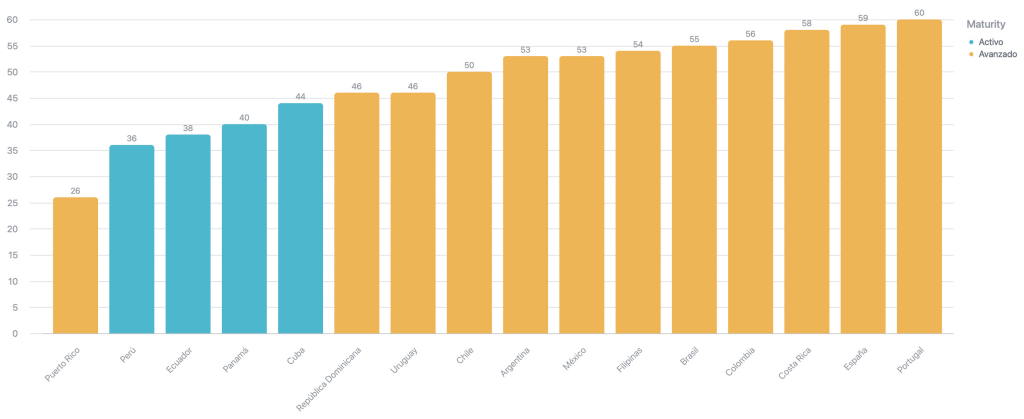
Figure 2. Maturity Level in Archival Policies by Institution
In two specific policies, the indicators show particularly high levels of compliance: 100% of institutions reported having conducted censuses of their documentary holdings, and 87% stated that information had been systematized in the Censo Guía de Archivos de España e Iberoamérica. Analysis of the volumes held reveals significant disparities, ranging from 6,500 linear meters at the National Historical Archive of Ecuador to over 400,000 at the Subdirección General de Archivos Estatales in Spain.
Regarding descriptive standards, the General International Standard Archival Description [ISAD(G)] standard is widely adopted, establishing a common framework within the Iberarchivos Program. This constitutes progress in terms of interoperability and comparability of information.
The User Diversity Index shows notable differences in predominant user profiles at each institution. In Argentina, researchers account for 75% of consultations, whereas in the Dominican Republic, they represent only 6%, with the general public being the largest group (93%). In Portugal, students make up 30% of users, while in the Philippines, Spain, and Colombia, consultations from government agencies are more prominent (20%).
Regarding access modalities, almost all institutions offer at least two channels (in-person and digital). However, four of the seventeen institutions lack online platforms, limiting the availability of their documentary holdings without prior consultation. Cases such as Panama and Cuba rely almost exclusively on in-person services, occasionally supplemented by email requests.
The policy of access to information and transparency emerges as a transversal axis, linked with other dimensions such as digitization, communication, and data protection. Of the seventeen institutions, only Panama and Peru lack a formal access framework. In the remaining institutions, clear procedures exist for accessing their documentary holdings, including deadlines, request procedures, and practices and rules promoting public access.
Online visit volumes constitute another key indicator: Spain exceeded 20 million visits in 2022, Brazil and Portugal over 10 million, while Chile and Argentina recorded between 200,000 and 300,000. In contrast, countries like Uruguay and the Dominican Republic reported between 3,000 and 6,000, and the Philippines only 490. This disparity highlights significant differences in the level of digitization and accessibility of documentary holdings (Figure 3).
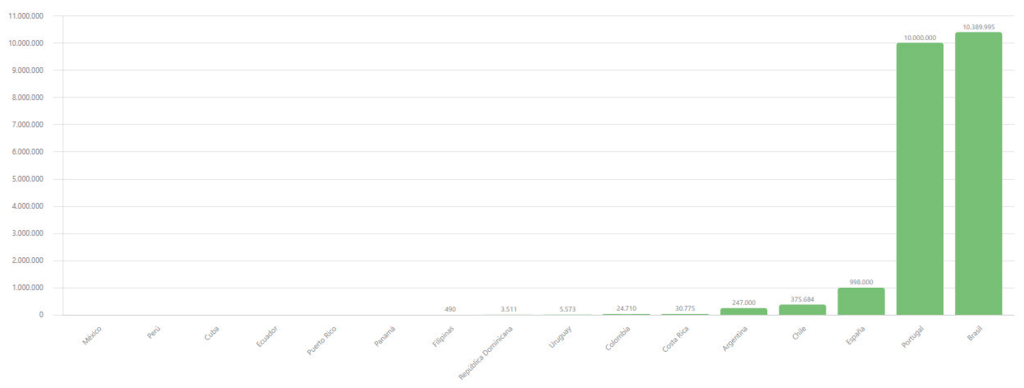
Figure 3. Number of Online Visits in 2022 by Institution
The digitization policy shows uneven development, although it demonstrates a positive trend. Except for Costa Rica, all institutions reported an increase in digitized documents between 2021 and 2022. Cuba reported 2.13 million documents in 2022, Spain exceeded 3.2 million, and Brazil surpassed 5 million (Figure 4).
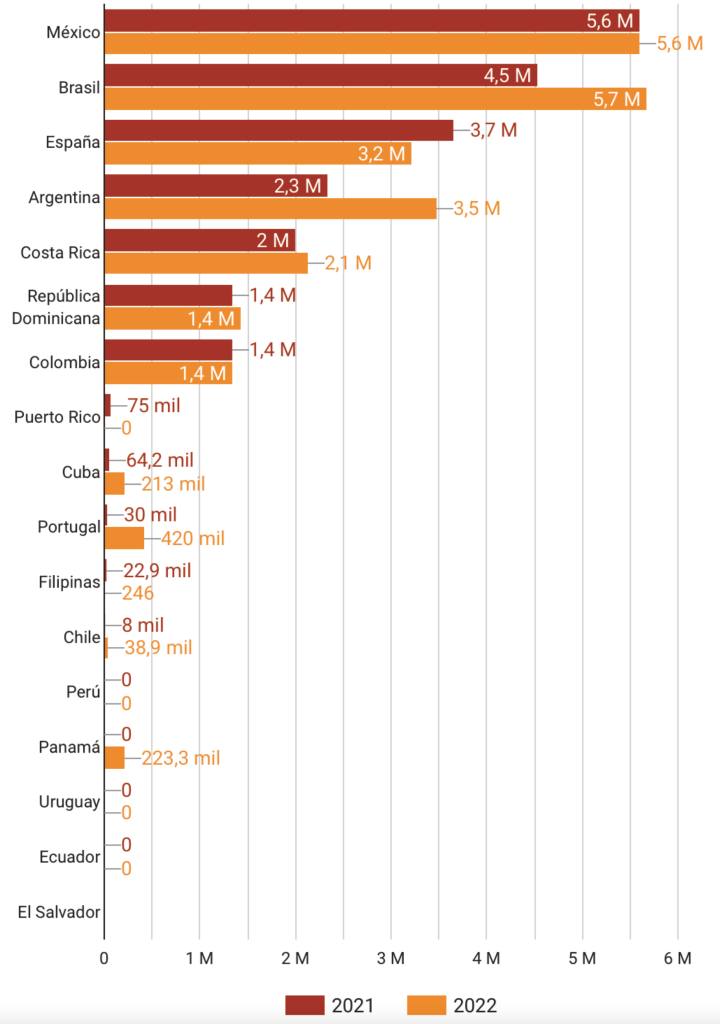
Figure 4. Digitized Documents 2021–2022
Despite these advances, the adoption of digital preservation standards remains ongoing and constitutes a critical area for reinforcement. The digital security policy also reveals weaknesses: although safeguarding measures are applied, they are not always framed within strategic plans, putting the sustainability of actions at risk.
The analysis of the electronic management policy—structured around eight indicators— reveals both achievements and challenges. Eighty-one percent of institutions have their own databases and technological equipment, but the adoption of document management systems reaches only 40%. Countries such as Argentina and Cuba reported having developed their own systems, which are currently in the testing phase.
The technological independence indicator (44%) shows that many institutions rely on external providers for solution development. This reliance limits autonomy and the ability to customize tools according to local needs.
The vast majority of institutions carry out periodic evaluations and use indicators to guide decision-making. Ninety percent reported annual evaluations, and 81% reported generating indicators for digital access, such as the number of documents online, visits, and downloads. Only Uruguay indicated occasional evaluations, highlighting the need to strengthen systematic monitoring mechanisms.
Overall, the results show that archival policies in Ibero-America have achieved a significant level of maturity, particularly in identification and description, access, and digitization. Nonetheless, challenges persist in areas such as electronic management, digital security, and technological independence. Advancing toward stronger policies requires not only material and technical resources but also stable institutional frameworks and a sustained commitment to evaluation and transparency.
Gender policies have become a consolidated institutional agenda in many archival organizations. However, the findings of the maturity model highlight both the progress achieved and the ongoing need to expand resources, strengthen policies, and consolidate the transmission of good practices across institutions.
Survey results show maturity values ranging from 5 to 32. Most institutions fall within the mid-to-high range (18 to 32 points), indicating an active or advanced level of gender policy implementation (Figure 5).
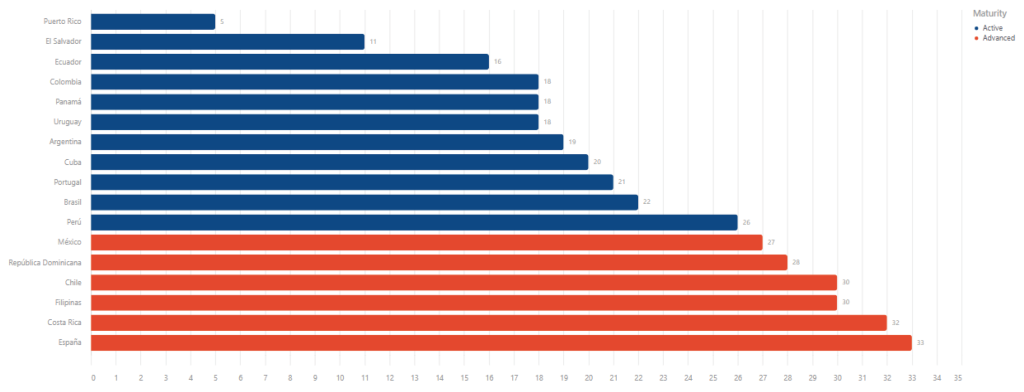
Figure 5. Gender Maturity Level by Institution
The institutions with higher maturity levels are the Subdirección General de los Archivos Estatales of Spain, the National Archive of Costa Rica, the National Archives of the Philippines, the National Archive of Chile, the Archivo General de la Nación of the Dominican Republic, the Archivo General de la Nación of México, and the Archivo General de la Nación of Peru. With scores ranging from 26 to 32, these institutions have developed solid policies in training, legislation, and strategic partnerships, serving as benchmarks for the others.
In contrast, the Archivo General de Puerto Rico and the Archivo General de la Nación of El Salvador present low scores, with most indicators negative. In these cases, the absence of institutional interviews limited data collection, underscoring the need for exchange mechanisms to deepen diagnoses.
Across the Ibero-American archival landscape, four indicators stand out for their high levels of compliance among institutions. Pay equity between men and women in the workforce (I04) exhibits an 88% compliance rate, reflecting a strong commitment to gender equality in labor policies. Within the Operational dimension, two indicators also show high levels of compliance: 82% of institutions report gender-balanced staff teams (I1), meaning that institutions employ equivalent numbers of men and women, with 13 out of the 16 surveyed institutions reporting more than 50% female representation (Figure 6).
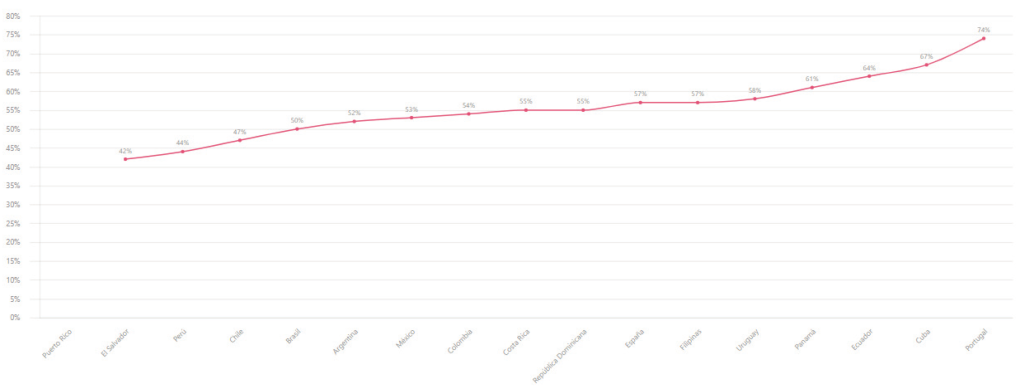
Figure 6. Percentage of Women in Workforce by Institution
On average, women constitute 53% of the workforce in national archival institutions in Ibero-America, indicating gender balance and reflecting the sustained and active participation of women in the archival field.
Likewise, institutions prioritize women’s participation in institutional activities (I9), including conferences, meetings, events, committees, and other official spaces. This reflects not only a commitment to women’s inclusion in decision-making but also the active promotion of their participation in institutional life.
A third high-performing indicator (I12) belongs to the Strategic dimension with 88% compliance. Nearly all institutions have undertaken initiatives to promote a gender perspective among users. The most common strategy is the creation of specific documentary holdings: almost all institutions have developed initiatives in this area, usually linked to personalities in social and political life or to commemorative dates (e.g., International Women’s Day).
Sixty percent of institutions have incorporated gender equality objectives into their strategic plans. This inclusion strengthens their ability to achieve sustained transformation by embedding gender perspectives into planning, rather than limiting them to isolated actions.
Approximately half of the institutions have adopted specific regulations or measures on gender. Although this indicator still shows limited compliance, it represents progress toward the formalization of institutional commitments.
Forty percent of institutions implement gender-sensitive indicators and ongoing evaluations. This reflects initial, yet insufficient, progress toward consolidating permanent monitoring systems. The production of disaggregated data and periodic evaluations is essential to ensure continuity and to measure transformations over time (Figure 7).
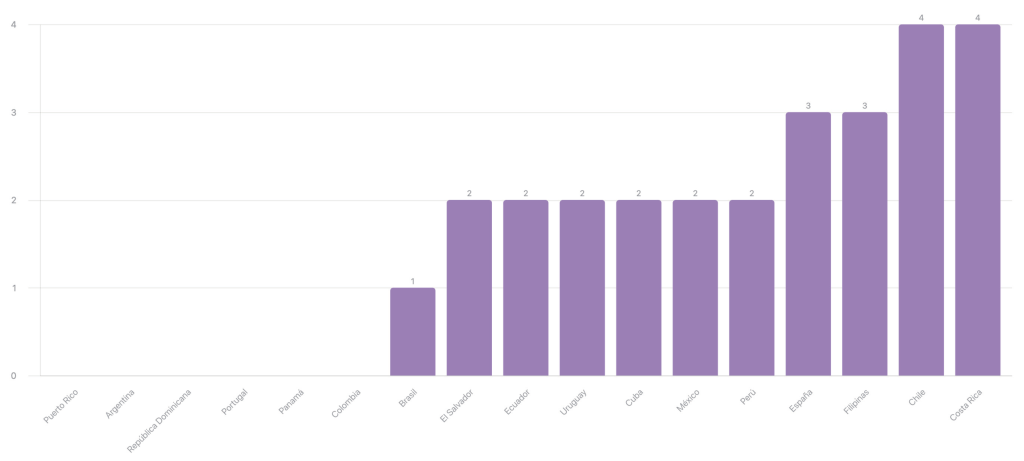
Figure 7. Gender Perspective Evaluation Index (Indicators and Continuous Assessments)
More than half of the institutions within the Iberarchivos Program are led by women, a significant indicator of leadership in the archival field. The analysis also included women’s participation in positions of responsibility at both the general and immediate management levels, revealing sustained female representation in decision-making and coordination positions (Figure 8).
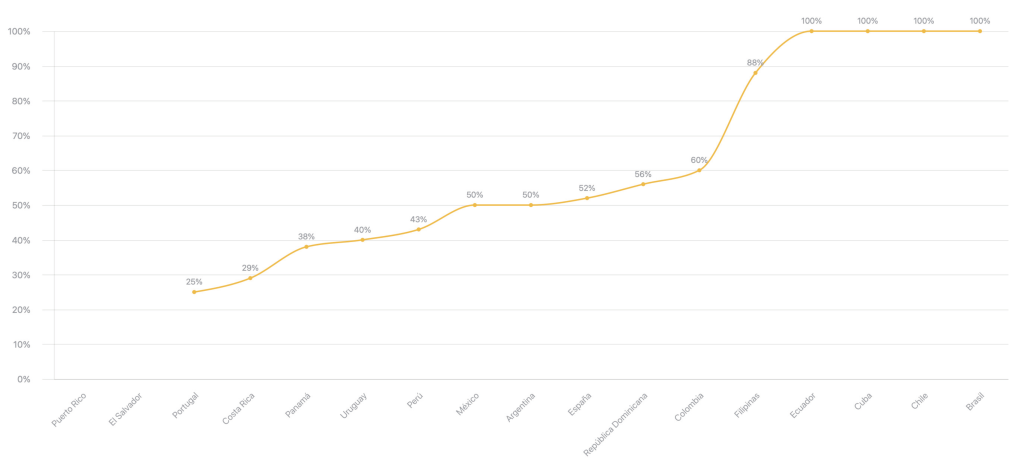
Figure 8. Percentage of Women in Leadership Positions by Institution
One of the main challenges identified is resource allocation. The indicator on specific budgets for gender policies (I3) shows only 23% compliance. The appointment of specialized staff (I11) reaches 53%, while the adaptation of processes with a gender perspective (I10) stands at 56%. These results reflect partial advances and highlight the need to consolidate institutional structures that ensure the sustainability of these policies.
Beyond the maturity analysis, the survey and diagnosis made it possible to identify several good practices and valuable institutional experiences that can serve as benchmarks:
Archivo General de la Nación, México: Procedure for complaints through the Ethics Committee and a protocol against harassment and discrimination
Archivo General de la Nación, Perú: Gender Equality Working Group and joint training programs with the Ministry since 2018
Archivo Nacional, Chile: Women and Gender Archive and the Gender Committee as spaces for production and debate
Archivo General de la Nación, Argentina: Gender Committee currently in development
Subdirección General de los Archivos Estatales, Spain: Research project Women Researchers in the State Archives (1900–1970) and associated web portal
These initiatives demonstrate the sector’s capacity for innovation and adaptation, and represent a potential nucleus for regional exchange and cooperation.
The maturity model analysis reveals an encouraging outlook, with significant progress across most Ibero-American institutions. The main challenges lie in resource allocation, the development of continuous evaluation systems, and the consolidation of permanent structures. The accumulated experience of the most advanced institutions provides opportunities to share knowledge and strengthen regional capacities, thereby contributing to a common agenda of gender equality in the archival field.
The survey and diagnosis served as a first step toward establishing a shared reference framework for Ibero-American archival institutions. Through maturity models addressing both archival policies and gender equality, comparable information was generated, highlighting strengths and weaknesses, identifying trends, and valuing good practices that had previously remained scattered. This process revealed that archives require not only technical instruments to optimize their management, but also robust, sustained public policies that integrate gender perspectives transversally.
As a result, the study demonstrated the importance of advancing toward systematic monitoring mechanisms that go beyond one-off diagnoses and inform long-term institutional development strategies.
On this basis, the Ibero-American Archives Observatory, inaugurated in May 2025, is projected as a strategic space for the continuity and consolidation of this work. By adopting maturity models as dynamic tools for institutional analysis, the Observatory provides functionalities for planning and evaluating archival policies, while reinforcing the commitment to gender equality as a transversal principle. Its potential lies in becoming a regional hub for cooperation and knowledge production, capable of influencing public policy formulation, supporting the modernization of archival systems, and promoting innovative approaches. In this way, the initial diagnosis serves as the starting point for a regional platform designed to strengthen archives’ role as guarantors of rights, memory, and inclusion across Ibero-America.
The maturity models provided a comprehensive overview of both progress and challenges across various areas of archival and gender-related policies. Institutions demonstrate multiple initiatives, even under conditions of limited resources and in politically and socially unstable contexts.
The structure and composition of personnel reveal a segment of institutions staffed with highly specialized professionals, performing work of substantial societal importance. Key policy areas highlighted throughout the analysis include the need to strengthen the implementation of normative standards, promote the adoption of robust documentary management systems, and foster technological independence within archival institutions. In addition, it is essential to ensure the continuity and enhancement of periodic and targeted evaluations to maintain institutional effectiveness and accountability.
Gender policies have become a core institutional agenda within many organizations. The findings underscore the continuing need to expand and sustain efforts in critical areas, including dedicated resource allocation, policy development, and the sharing of good practices across institutions.
The analysis demonstrates that successful institutional development depends not only on the technical and operational capacities of archives but also on a strategic vision that integrates governance, staff development, and inclusive policies. Maturity models have shown that combining quantitative metrics with qualitative insights—such as institutional interviews—provides a richer understanding of how policies are enacted in practice, highlighting both systemic strengths and persistent gaps.
The study underscores the importance of creating a culture of continuous learning and collaboration across the Ibero-American archival network. By leveraging lessons from high-performing institutions, there is significant potential to standardize best practices, strengthen regional cooperation, and enhance the resilience and adaptability of archives in the face of evolving societal and technological demands.
Ultimately, these conclusions suggest that the path toward more robust archival governance and comprehensive gender inclusion is iterative and requires sustained commitment, innovation, and investment in both people and infrastructure. The insights gained from this study serve as a foundation for future initiatives aimed at strengthening archives as essential custodians of memory, knowledge, and equitable access to information.
Al filo. (2023). Historia, mujeres y archivos: Nuevos desafíos teórico-metodológicos. Al filo. Facultad de Filosofía y Humanidades, Universidad Nacional de Córdoba. https://ffyh.unc.edu.ar/alfilo/historia-mujeres-y-archivos-nuevos-desafios-teorico-metodologicos/
Asociación de Archiveros de Cataluña. (2018). Modelo de madurez en gestión documental para la transparencia y la publicidad activa. https://arxivers.com/wp-content/uploads/2018/09/AAC_MMGDT_ES.pdf
Boccia Paz, A., Palau Aguilar, R., & Salerno, O. (2008). Paraguay: Los archivos del terror. Los papeles que resignificaron la memoria del stronismo. Servilibro.
Caswell, M., Cifor, M., & Ramirez, M. H. (2016). “To suddenly discover yourself existing”: Uncovering the impact of community archives. The American Archivist, 79(1), 56–81.
Cook, T. (2013). Evidencia, memoria, identidad y comunidad: Cuatro paradigmas archivísticos cambiantes. Archival Science, 13, 95–120. https://doi.org/10.1007/s10502-012-9180-7
Cruz Mundet, J. R. (2012). Archivística: gestión de documentos y administración de archivos. Alianza Editorial.
Da Silva Catela, L. (2007). Etnografía de los archivos de la represión en Argentina. In M. Franco & F. P. Levín (Eds.), Historia reciente. Perspectivas y desafíos para un campo en construcción (pp. 203–218). Paidós.
Da Silva Catela, L. (2011). El mundo de los archivos. In F. Reátegui (Ed.), Transitional justice handbook for Latin America (pp. 381–406). Brazilian Amnesty Commission, Ministry of Justice; International Center for Transitional Justice. https://www.ictj.org/sites/default/files/ICTJ_Transitional_Justice_Handbook_2011_Eng.pdf
Dirección de Género, Universidad de Chile. (2020, August 14). Desafíos con enfoque de género en el trabajo del área de información bibliográfica y archivística. Universidad de Chile. https://direcciondegenero.uchile.cl/2020/08/14/desafios-con-enfoque-de-genero-en-el-trabajo-del-area-de-informacion-bibliografica-y-archivistica/
Eichhorn, K. (2013). The archival turn in feminism: Outrage in order. Temple University Press.
Flinn, A. (2020). Healing discourses: Community-based approaches to archiving and recordkeeping. In G. Bak, T. Nesmith, & J. Schwartz (Eds.), “All Shook Up”: The archival legacy of Terry Cook (pp. 437–443). Society of American Archivists.
Flinn, A., Stevens, M., & Shepherd, E. (2009). Whose memories, whose archives? Independent community archives, autonomy and the mainstream. Archival Science, 9(1-2), 71–86. https://doi.org/10.1007/s10502-009-9105-2
González Quintana, A. (2017). Archivos y derechos humanos. Revista d’Arxius, 16.
Heredia Herrera, A. (2007). ¿Qué es un archivo? Ediciones Trea.
Jardim, J. M. (2010). Políticas y sistemas de archivos. Secretaría General Iberoamericana; Red de Archivos Diplomáticos Iberoamericanos.
Jardim, J. M. (2013). De que falamos quando falamos em políticas arquivísticas? Percepções sobre políticas arquivísticas no Poder Executivo federal. Ciência da Informação, 42(1).
Jelin, E. (2002). Los trabajos de la memoria. Siglo XXI; SSRC.
Jelin, E. (2017). La lucha por el pasado. Cómo construimos la memoria social. Siglo XXI.
Jimerson, R. C. (2009). Archives power: Memory, accountability, and social justice. Society of American Archivists.
López Macedonio, M. N. (2018). El archivo de la Dirección Federal de Seguridad: Una fuente para escribir la historia de la segunda mitad del siglo XX mexicano. Legajos, 15, 71–82. https://archivos.gob.mx/Legajos/pdf/Legajos15/06Elarchivo.pdf
Markarian, V. (2016). La situación de los archivos del pasado reciente. Historia y Problemas del Siglo XX, 7, 177–210.
Meoño Brenner, M. (2021). Justicia por genocidio: El rol de los archivos en el caso guatemalteco [Paper presentation]. Seminario Políticas de la Memoria, Mesa 12, Centro Cultural Haroldo Conti. http://conti.derhuman.jus.gov.ar/2021/08/seminario/mesa_12/meono_mesa_12.pdf
Morera, R. P. (2018, March 8). La brecha de género también existe en los archivos. Factor GDA, ESAGED. https://esaged.wordpress.com/2018/03/08/la-brecha-de-genero-tambien-existe-en-los-archivos/
Oszlak, O., & O’Donnell, G. (1981). Estado y políticas estatales en América Latina: Hacia una estrategia de investigación. Centro de Estudios de Estado y Sociedad (CEDES). (Documento G.E. CLACSO, N.º 4).
Pereira Oliveira, D., López Rodríguez, O., & Mariño Costales, M. (2019). Informe sobre os arquivos públicos en Galicia: unha perspectiva de xénero e feminista. Consello da Cultura Galega. http://consellodacultura.gal/mediateca/extras/CCG_2019_Informe-sobre-os-arquivos-publicos-en-Galicia-Unha-perspectiva-de-xenero.pdf
Programa Iberarchivos. (2024). Diagnóstico de género en el sector de los Archivos Iberoamericanos. https://www.iberarchivos.org/wp-content/uploads/2024/08/ES-Diagnostico-de-Genero-2023-v3.pdf
Ruderer, S., & Straßner, V. (2015). Recordando tiempos difíciles: La Vicaría de la Solidaridad como lugar de memoria de la Iglesia y de la sociedad chilena. Archives de Sciences Sociales des Religions, 170. https://doi.org/10.4000/assr.26843
Sikkink, K. (2017). Evidence for hope: Making human rights work in the 21st century. Princeton University Press.
United Nations. (n.d.). Sustainable development goals. https://www.un.org/sustainabledevelopment/
Vassallo, J. (n.d.). ¿Es posible pensar en una archivología feminista? Al Filo 20 años, Facultad de Filosofía y Humanidades, Universidad Nacional de Córdoba. https://ffyh.unc.edu.ar/alfilo/es-posible-pensar-en-una-archivologia-feminista/
Vassallo, J. (2018). Mujeres y patrimonio cultural: el desafío de preservar lo que se invisibiliza. Revista do Instituto de Estudos Brasileiros, 71, 80–94.
Vergara Low, M. P. (2022). El Archivo de la Vicaría de la Solidaridad y su aporte al derecho a la verdad, justicia y reparación en Chile. Conferencia Lozano Long 2022, Universidad de Texas. https://repositories.lib.utexas.edu/server/api/core/bitstreams/9be486e6-b6b3-476b-b740-5f40f83933ac/content
Zapata Cárdenas, C. A. (2023). Los modelos de madurez en gestión documental y archivos: una herramienta eficaz de evaluación, planeación y mejora continua. Métodos de Información, 14(26), 48–79. https://doi.org/10.5557/IIMEI14-N26-048079