
Smita Barua
Sub Assistant Engineer, Bangladesh Film Archive, Dhaka, Bangladesh
Correspondence to Smita Barua, Email: smitabfa@yahoo.com
Volume 2, Number 1, Article 8, December 2025.
International Journal of Documentary Heritage 2025;2(1):8. https://doi.org/10.71278/IJODH.2025.2.1.8
Received on August 21, 2025, Revised on December 29, 2025, Accepted on December 29, 2025, Published on December 30, 2025.
Copyright © 2025 Author(s).
This is an Open Access article distributed under the terms of the Creative Commons Attribution 4.0 International License (CC BY 4.0) (https://creativecommons.org/licenses/by/4.0/).

Mukh O Mukhosh (Face and Mask), released in 1956, holds a foundational place in Bengali film history. It was the very first full-length Bengali-language film produced in East Pakistan, which is now Bangladesh. The film was directed and produced by Abdul Jabbar Khan, a man who wasn’t just making a movie— he was making a statement. At a time of high cultural and political tensions, this film became a bold declaration of Bengali identity. The early 1950s were turbulent years. Following the Language Movement of 1952, during which people fought to have Bengali recognized as a state language, there was a strong push to preserve and celebrate Bengali culture. Making a Bengali film in that climate was more than entertainment—it was an act of pride and resistance. Abdul Jabbar Khan had a deep passion for storytelling. Despite having minimal support and almost no technical resources, he managed to write, direct, and fund the entire film by himself. Since there were no studios or editing facilities in East Pakistan at the time, much of the equipment had to be borrowed or brought in, and post-production was done in Kolkata. The actors were mostly amateurs from the local community, but their involvement helped kickstart what would become the Bengali film industry in Dhaka. The story of Mukh O Mukhosh was based on a real-life crime case and explored the themes of justice and deception, symbolized by the title—Face and Mask. While not much is documented about the exact plot, the film’s impact is undeniable. Over time, Mukh O Mukhosh has come to be recognized as the birth of Bangladeshi cinema. It opened the door for future filmmakers such as Zahir Raihan and Subhash Dutta and helped establish Bengali not just as a spoken language but as a powerful medium for art and storytelling. Today, the film is remembered as a cultural milestone and a foundational piece of Bangladesh’s cinematic legacy.
Mukh O Mukhosh, Hiralal Sen, Bengali film history
Humans have always sought ways to hold on to time—its fleeting gestures, rituals, and emotions. From the earliest cave markings, in which soil and clay served as instruments of memory, this impulse to record experience reveals an enduring desire to extend the moment beyond its disappearance (Batchen, 1997). These images were more than primitive drawings; they were acts of meaning-making, early attempts to interpret and preserve the human condition.
The nineteenth century brought a profound shift in this long tradition with the invention of photography. This transformation reconfigured not only how images were made but how reality itself could be apprehended. Photography marked a conceptual rupture: the moment when light became the medium through which memory could be inscribed. Emerging from centuries of optical experimentation—from the camera obscura to Enlightenment-era explorations of perception—it offered an unprecedented capacity to capture, preserve, and reproduce the world mechanically (Newhall, 1982). Through the efforts of Niépce, Daguerre, and Talbot, the image detached itself from the sole authority of the human hand and entered the realm of scientific reproducibility. In doing so, photography altered the conditions under which time, truth, and representation were understood.
Cinema extended this revolution into the domain of movement. By animating stillness, film introduced a new cultural language through which societies could narrate themselves, shape identities, and negotiate power. Film became not merely an artistic medium but also a social institution, a carrier of collective memory, and a site where cultural tensions and aspirations could be visually enacted.
It is within this broad history of visual culture that Mukh O Mukhosh (Face and Mask) assumes its significance. Released in 1956 as the first full-length Bengali-language film produced in East Pakistan (present-day Bangladesh), it represented far more than a cinematic debut. The film emerged in a highly charged linguistic and cultural landscape, where questions of identity, representation, and autonomy were increasingly urgent. Its production itself challenged structural inequalities in the film industry, asserting a local aesthetic and technical capability at a time when cultural production was largely centralized elsewhere. In this sense, Mukh O Mukhosh stands as a cultural landmark—a moment when the Bengali face, long overshadowed by political and institutional constraints, claimed visibility.
This study seeks to understand Mukh O Mukhosh as a cultural and historical phenomenon shaped by its time, asking how the film negotiated themes of identity, performance, and representation symbolized by the very notion of the “face” and the “mask.” It explores how the film contributed to the formation of a distinct Bengali cinematic identity, how it engaged with existing South Asian film practices, and how its legacy continues to influence the trajectory of Bangladeshi cinema. These questions guide an inquiry grounded in the humanities—attentive to narrative, symbolism, cultural memory, and the political work performed by images.
Methodologically, this research moves between historical investigation and interpretive analysis. Archival materials, contemporary writings, and early production accounts help situate the film within its sociopolitical context. A close reading of the film’s narrative, aesthetic choices, and performative gestures reveals how its themes resonate with the broader cultural anxieties and desires of the mid-twentieth century. Comparative insights from Indian and Pakistani film traditions illuminate the unique strategies adopted by Mukh O Mukhosh, while theoretical frameworks from visual culture, representation, and identity studies help uncover the deeper cultural meanings embedded in its imagery.
By bringing these approaches together, the study positions Mukh O Mukhosh within the longer human pursuit of capturing and preserving experience—linking the ancient clay markings of early humans, the photographic experiments of the nineteenth century, and the cinematic imagination of Bengal. It invites viewers to see the film not only as a historic achievement but as part of a larger narrative about how communities make themselves visible, how they confront the masks imposed upon them, and how they use images to assert their place in history.
The emergence of the Bengali film industry must be understood within the broader cultural geography of Bengal, a vast and interconnected region that historically stretched from the eastern deltaic plains around Dhaka and Mymensingh to the bustling colonial metropolis of Kolkata. This region’s rich cultural networks—shaped by riverine trade, theatre circuits, print media, and social exchange—facilitated early circulation of visual and performative arts, laying important groundwork for cinema’s arrival and growth in Bengal (Gooptu, 2011). The multilingual, theatrical, and intellectually vibrant environment of Bengal provided fertile ground for cinema to take root.
In the late nineteenth century, alongside plays, dances, and processions, the people of Dhaka got their first taste of the new scientific discovery of cinema on 17 April 1898. On that day, a news item in the weekly Dhaka Prakash said:
“A strange spectacle will be shown at the Crown Theatre from tonight onwards. The Bradford Cinematograph Company will show such vivid pictures that it is likely to be awe-inspiring. The terrible war between Greece and Turkey last year, and other strange things, will seem as if we were witnessing them in action. We will publish a special account of it next time. It is planned to show the spectacle every night from 8 o’clock until next Wednesday.” (Dhaka Prakash, 17 April 1898)
According to this news, the first bioscope screening was held in Dhaka by the Bradford Cinematograph Company. The report described this bioscope display as “lively pictures,” “wonderful,” and “sports.” No detailed information is available about the owner of the Bradford Company, which first showed the bioscope in Dhaka. However, according to the information provided by Gaurang Prasad Ghosh in his book Sonar Daag, a gentleman named Stephens came to Dhaka with the Star Theatre of Kolkata and exhibited the bioscope in 1896–1897.
The weekly Dhaka Prakash, published on 21 August 1887, reveals that the famous Star Company of Bidon Street, Kolkata, had come to Dhaka and staged various shows, including Naldamayanti, Sitar Banbas, Chaitanya Leela, Vriddha Charit, and Bilamangal. A subsequent issue of Dhaka Prakash, dated September 18, 1887, reveals that the Star Company had left.
Afterwards, in April 1895, the Star Theatre Company returned to Dhaka. From the Dhaka Prakash published on 7 April 1895, it is known that Nawab Ahsan Ullah Bahadur brought the Star Company to his residence at a modest cost and arranged for the performance. The Star Theatre later staged plays in Patuatuli and Narayanganj. We found that, afterwards, a different company also undertook similar activities for performance. In the early days of film, the device for displaying moving images was called a “kinetoscope” or “bioscope.” Eventually, the term “bioscope” came to be known as the “motion picture” or “film.”
Since then, the practice of bioscope—or early cinema—did not stop. Scattered evidence of continued exhibitions in Bangladesh appears in numerous advertisements and notices published in contemporary newspapers, indicating that travelling film showmen and theatre companies regularly brought moving-image displays to urban and semi-urban audiences. Through these repeated exhibitions, the popularity of the bioscope gradually increased across Bengal. What began as a novelty in Dhaka soon expanded to other towns and districts, where bioscope screenings became a common form of public entertainment. These early exposures not only familiarised audiences with moving pictures but also laid the cultural groundwork by strengthening society’s acceptance of film as a modern medium of art and leisure (Islam, 2020).
Mr. Hiralal Sen laid the foundation of film as a newly discovered branch of world culture at that time and opened a new chapter in the history of cinema in Bengal. By conducting scientific research, he developed the world’s first electrical method to enlarge images, and through his innovation, he made a breakthrough in the film display system. He introduced film as a popular art medium in the subcontinent by showcasing his innovative and accomplished indigenous filmmaking techniques. His screenings reached elite, middle-class, and marginalized audiences across remote rural areas of Bangladesh and later the wider subcontinent, thereby instilling modernity, patriotism, and political consciousness in their minds.
Hiralal Sen was born in 1866 in the village of Bogjuri, Manikganj, into the Baidya family. He began showing films commercially in 1898. The company he founded was called The Royal Bioscope Company. In addition, the company also showed films at the bungalow of the Sub-divisional Officer in Bhola in 1898 for about a week. On 15 April 1900, this company also showed films at the house of Raja Rajendra Narayan Roy in Bhawal. Two years later, news of a bioscope showing at Jagannath College in Dhaka was found. An advertisement about this was published in the weekly Dhaka Prakash on 11 May 1902. Hiralal Sen later established film production and cinemas. In 1900, he imported filmmaking equipment from England.
The journey of world cinema had already begun long before the arrival of cinematographer Hiralal Sen. Early pioneers such as Thomas Edison and William Dickson in America, William Friese-Greene in England, Louis and Auguste Lumière and Georges Méliès in France, and innovators like Étienne-Jules Marey, Charles Pathé, and Oskar Messter in Europe had laid the groundwork for moving images. Their experiments and inventions helped cinema grow into a new form of storytelling and visual expression.
Because cinema developed through the efforts of many people across different countries, there is no single individual who can be universally called the “father of world cinema.” In the Indian subcontinent, however, film historians often discuss three pioneering figures who played key roles in its early development: Hiralal Sen of Dhaka–Kolkata, Harish Chandra Sakharam Vatvadekar of Bombay, and Dadasaheb Phalke of Bombay. Each of them contributed in distinct ways, helping cinema take root and evolve in South Asia.
From different aspects, we found that from 1900 to 1912, Hiralal Sen made 12 feature films, 10 documentaries, and three to four advertisements, amounting to a total of around 40 films in different categories. Among these were news documentary works such as Delhi Durbar (1911), Alibaba (1903), Hariraz (1901), Dollila (1901), and Sitaram.
Unfortunately, only a few days before his death in 1917, a devastating warehouse fire destroyed all of his film works. Consequently, we are deprived of his famous films, which bore witness to and conveyed the history and culture of that time, which are now lost forever. Although Hiralal Sen remained on the back foot of history, he is a figure who cannot be erased from the film history of Bengal.
The trajectory of early cinema in Bengal reveals a striking imbalance between Kolkata and Dhaka. While both cities witnessed the arrival of the bioscope at roughly the same time, Kolkata soon outpaced Dhaka in the production of both silent and all-talkie films. This disparity was rooted in deeper political, commercial, and cultural dynamics. Since the British colonial period, Kolkata has functioned as the administrative heart of the region, attracting the resources, infrastructure, and cultural capital necessary to nurture a film industry.
The revocation of the Partition of Bengal in 1911 marked a turning point. Dhaka, which had briefly enjoyed renewed prominence, once again receded into cultural stagnation. The city’s creative energies turned inward, sustaining older forms of entertainment—plays, processions, palagan performances, and the gatherings of baijis—rather than embracing the emergent language of cinema. Meanwhile, Kolkata consolidated its position as the center of Bengali film production, becoming both the site of technological experimentation and the stage for cinematic modernity.
It is tempting to imagine an alternative history: had the Partition not been revoked, Dhaka might have shared in shaping the early cinematic heritage of Bengal. Instead, the cultural geography of Bengali cinema was decisively drawn toward Kolkata, leaving Dhaka to play a more peripheral role in its formative decades.
The British rulers had divided the city of Kolkata for their own interests in various ways. Kolkata remained in West Bengal and India with its political, economic, and cultural aristocracy. After the formation of Pakistan in 1947, Dhaka became the capital of East Bengal province. As Dhaka’s importance grew for political reasons, the local art and culture scene became lively with a range of activities. At that time, the idea of making films was also actively considered. Bengali Muslim film and cultural workers in Kolkata, Bombay, or other locations began considering moving to Dhaka. Cultural workers in Dhaka also aspired to make films. However, the main obstacle in this regard was the lack of film studios to make films.
Here, a new cultural journey began in Dhaka, the capital of the newly formed province of Pakistan, East Bengal. Drama performances and cultural practices began in various local institutions, such as the Curzon Hall of Dhaka University, Railway Mahbub Ali Institute, and the National Medical Institute.
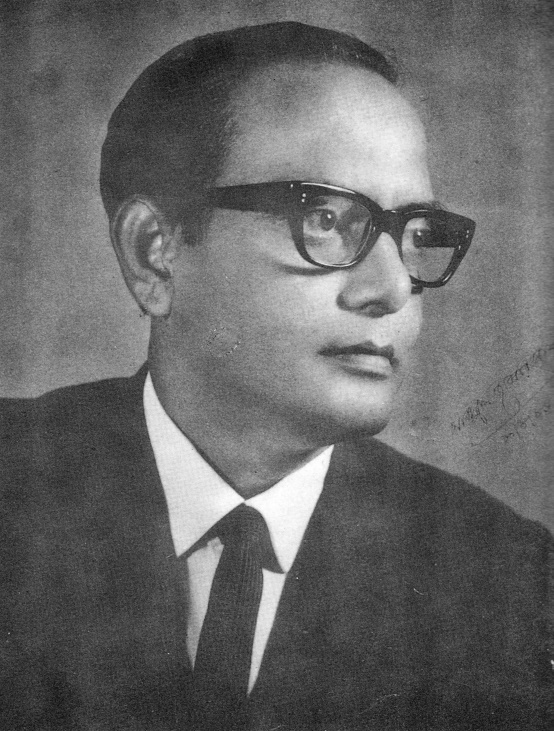
Figure 1. Abdul Jabbar Khan (1916–1993). Source: Bangladesh Film Archive’s Photo Gallery
On the other hand, the initiative undertaken by Dr. Abdus Sadeq—another visionary who dreamed of establishing a domestic film culture—occupies an essential place in the early history of filmmaking in East Pakistan. Dr. Sadeq earnestly believed that regular film production should take root in the region and that a fully developed, large-scale national film industry ought to be established. Although his efforts were often overshadowed in later accounts, they were instrumental in nurturing the first impulses toward independent cinematic production. Scholars suggest that without Dr. Sadeq’s encouragement, the emergence of a sovereign film industry in Bangladesh might have been delayed significantly (Kabir, 1979).
Alamgir Kabir provides a detailed account of Dr. Sadeq’s initiative in his seminal book Film in Bangladesh. Further insight comes from an interview titled “Now There Is Such a Crowd of Arrogant Faces in the Film Industry,” in which Abdul Jabbar Khan reflects on those early days of struggle. In his memoir-style recollections, Khan recalls:
“At that time, Dr. Abdus Sadeq inspired us to make films in East Pakistan. It was under his inspiration that we took up the challenge of filmmaking.”
This challenge—undertaken with little technical knowledge, minimal resources, and immense determination—eventually led to the production of Mukh O Mukhosh in 1956, the first full-length feature film made in East Pakistan. With this achievement, the foundation of Bangladesh’s full-length film history was firmly laid.
Abdul Jabbar Khan himself came from a theat rical background. Primarily a playwright and stage director, he had no prior experience with the technological, financial, or organizational complexities of filmmaking. Yet, in the charged atmosphere following the Language Movement, a renewed consciousness about Bengali identity and cultural autonomy compelled him toward this bold cinematic experiment. His nationalism, shaped by the political struggles of the early 1950s, was transformed into artistic motivation—a desire to create a film that would speak in the language, culture, and sentiment of the people of East Pakistan.
In 1952, the Language Movement truly gave birth to a new cultural spirit in Dhaka and the country. It influenced drama, music, art, and literature. In 1953, Abdul Jabbar Khan wrote a play titled Dakat, which later became the basis for the film Mukh o Mukhosh.
Theatre activist and playwright Abdul Jabbar Khan challenged non-Bengali film industry professionals to make a film. In response to this challenge, however, there were no film studios, actors, actresses, or skilled people in Dhaka at that time capable of producing a film. It was decided that the play written by Abdul Jabbar Khan under the title of Dakat would be filmed as Mukh o Mukhosh. He wrote the play Dakat based on a news article about a robbery published at that time.
Abdul Jabbar Khan was born in 1917 in the village of Uttar Masad Gaon, Thana Louhajang, Bikrampur, to Haji Mohammad Jamsher Khan (Hayat, 1987). From a young age, he showed a keen interest in drama and theatre. While still in school, he acted in plays such as Behula, Bilumangal, and Sohrab Rostam, and performed in Sindhu Bijoy, directed by the renowned Pramathesh Barua. His association with Barua took him to Kolkata, where he observed professional stage productions and was later selected to act in Barua’s film Mukti. Although he ultimately could not act in that film, he was subsequently chosen as the lead in Shapmukti. However, his father did not permit him to pursue a film career at that time, compelling him to focus on stage performances instead.
Despite these restrictions, Abdul Jabbar Khan continued to hone his theatrical craft. He won gold medals for acting in plays such as Samajpati and Matir Ghar, and expanded his stage work to regions like Assam, where he directed Tipu Sultan in Guwahati and later performed in Bogra. Alongside his theatrical pursuits, he maintained his studies, balancing academic responsibilities with his growing passion for drama.
Khan recalled that his first encounter with cinema occurred during childhood in Dhabari, Assam, when he saw the film Narmedh Yagya (Nirbak) in a jute warehouse while still in primary school. This early exposure to film, combined with his experiences in acting, directing, and writing plays, laid the foundation for his future work. In 1953, he wrote the play Dakat, which would later be adapted for the screen as Mukh O Mukhosh—the first full-length feature film produced in East Pakistan. As Khan himself reflected, although he had never initially imagined becoming a filmmaker, his lifelong engagement with theatre and early exposure to cinema inspired him to embark on the ambitious journey of filmmaking (Hayat, 1987).
The cast of the film was selected from various stages, radio stations, and educational institutions in Dhaka. The film’s director, Abdul Jabbar Khan, himself assumed the role of the hero. The heroine was played by Purnima Sen, a stage actress from Chittagong. Purnima had previously danced and sung on stage in Kolkata. She came to Chittagong in 1949 and joined the Ranga Natya group. The film’s two supporting heroines were Jaharat Ara and Najma (Piaree Kom). Both of them were friends and studied at Eden College. Jaharat also did dramas on the radio.
The first full-length film was being made in East Bengal, which was big news in Dhaka at that time. There was joy and excitement all around. The mahurat (official inauguration of shooting) of Mukh O Mukhosh was held in a very festive atmosphere. The mahurat was inaugurated by the Governor of Pakistan, Iskander Mirza on 6 August 1954 at the Shahbagh Hotel. Before that, shooting was done without a mahurat in Kaliganj. Later, shooting was done in a house in the Siddeshwari area. Additional locations include Rajarbagh, Kamalapur, Mirpur, Tejgaon, Zinzira, and Tongi in Dhaka.
The first full-length feature film in East Pakistan, Mukh O Mukhosh, was released on 3 August 1956 at the Roopmahal Cinema in Dhaka, with Sher-e-Bangla A. K. Fazlul Huq, then Governor, presiding as the chief guest. In his inaugural speech, he expressed astonishment at the film’s production, noting, “There is no studio, but how did you make the film? You have worked like a father’s son” (Hayat, 1987). The ceremony at Mukul in the morning was grand, and the film was released at the 3 o’clock show simultaneously in Dhaka, Chittagong, and Narayanganj. The houses were packed, and the audience responded with continuous applause throughout the screening.
Abdul Jabbar Khan recalled a personal encounter during the event. While walking outside the cinema gate, he was approached by Abul Kalam Shamsuddin, editor of the newspaper Azad, who embraced him and said:
“Jabbar Sahib, tears are flowing in my eyes with joy. What have you given me? How happy everyone is today! Everyone is successful today. The challenge was not yours alone. This challenge was the Bengali nation’s.” (Hayat, 1987).
Mukh O Mukhosh ran for four weeks to full houses. Although it could have continued its run, the screenings were scheduled for only four weeks, and Khan had intended to further edit the film—a plan that ultimately did not materialize. This historic release marked a seminal moment in Bengali cinematic history, symbolizing not only a technological and artistic achievement but also the cultural aspirations of the Bengali nation (Hayat, 1987).
Release Date: 3 August 1956
Language: Bengali
Country: East Pakistan (now Bangladesh)
Director: Abdul Jabbar Khan
Producer: Abdul Jabbar Khan
Writer: Abdul Jabbar Khan
Genre: Drama / Mystery
Purnima Sengupta (Lead Actress)
Abdul Jabbar Khan (Lead Actor)
Nuruzzaman Nayan
Zahrat Ara
Ali Mansur
Others were mostly amateur actors and volunteers passionate about making a local film.
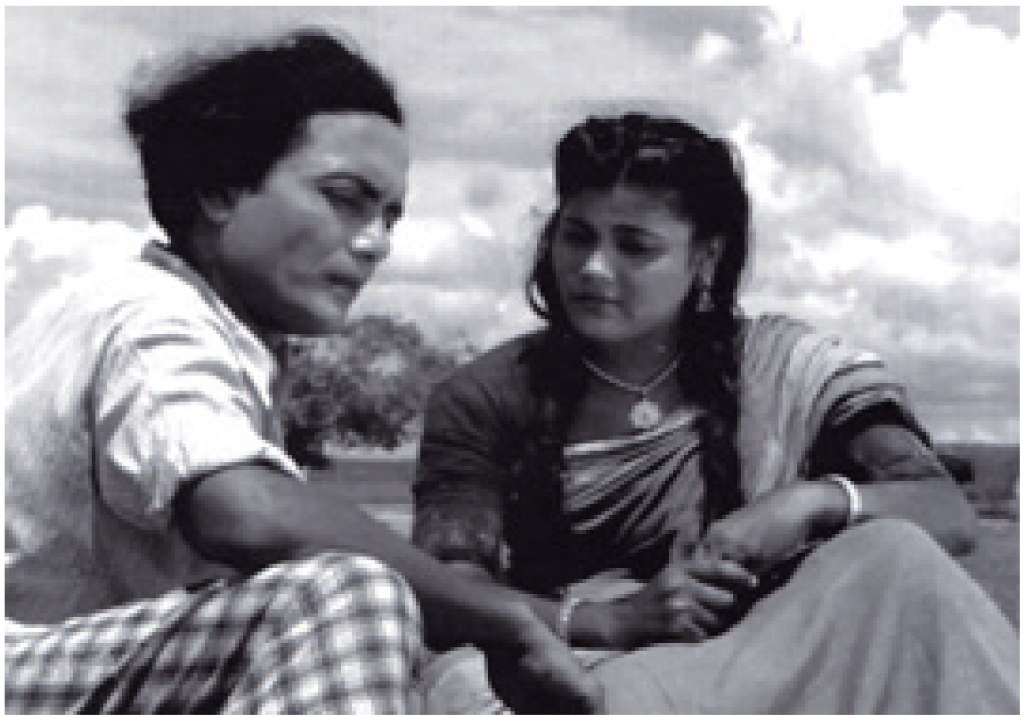
Figure 2. A snap of the film Mukh O Mukhosh (1956). Source: Bangladesh Film Archive’s Photo Gallery
In the remote and rugged edges of East Pakistan, the feared bandit Shamsher ruled the countryside with his loyal gang. During one of their raids, the outlaws discovered a weak, abandoned boy in the forest. Believing him to be an orphan, they carried him away and, in a strange gesture of respect, buried him as if he were one of their own—only to later suspect that the child might still be alive.
Years went by. The government placed a bounty on Shamsher’s head, but he evaded capture through bribes to a corrupt police inspector Jalal, and by disguising himself when danger drew near.
Within the gang’s rough world, an unexpected tenderness emerged. Afzal and Kulsuma, two of Shamsher’s followers, fell in love. Their dreams began to drift beyond the life of crime, and together they planned an escape toward a different kind of freedom.
But the gang’s leader grew increasingly ruthless. In a calculated act of defiance, Shamsher abducted Rashida—Inspector Jalal’s sister—while she was traveling to her family’s ancestral village. The kidnapping set off a chain of events that would entangle both the law and the lawless in a dangerous web of vengeance, loyalty, and betrayal.
Movie posters have always played a crucial role in a film’s journey to its audience, serving both as tools of publicity and as cultural artifacts. In Bangladesh’s cinematic history, one figure stands out in this field—artist and filmmaker Subhash Dutt (1930–2012), widely regarded as a pioneer of film poster art in Dhaka’s cinema.
In the early 1950s, before entering filmmaking, Dutt began his career at PAMART, a movie publicity studio in Bombay. Returning to Dhaka in 1953, he first joined the advertising agency Evergreen before co-founding the publicity company KAMART. Through this venture, he became deeply involved in the visual promotion of films. His entry into the film world of East Pakistan (now Bangladesh) came through the creation of posters, showcards, and title cards for film productions.
Dutt’s most notable early work was the publicity for the country’s first full-length feature film, Mukh O Mukhosh (1956). Over the following decades, he designed posters for many landmark films, including Jaago Hua Savera (1959), Edesh Tomar Amar (1959), Matir Pahar (1959), Akash Aar Mati (1959), Rajdhanir Buke (1960), Harano Din (1961), Surara (1964), Kagojer Nouka (1966), Ayana O Remsek (1967), Avyaksh (1968), Palabadal (1969), Alingon (1969), Banshi (1970), Arunodayer Agnisakshi (1972), Balaka Man (1973), Bashundhara (1977), and Najma (1983). He also created publicity materials for the films he directed himself, including Surara and Kagojer Nouka.
During that period, Dhaka’s film publicity scene was vibrant, with renowned publicity houses like KAMART, Evergreen, Jupiter, Allied, and Chitrakar dominating the industry. Much like modern advertising agencies, these companies employed skilled commercial artists who painted signboards, designed movie posters, created photo sets, and produced banners. In this ecosystem, Subhash Dutt’s artistry not only elevated the visual appeal of cinema but also helped shape the popular imagination of films in Bangladesh.
Released in 1956, Mukh O Mukhosh was the first full-length Bengali film produced in East Pakistan (now Bangladesh), inaugurating the nation’s cinematic journey. Emerging in the charged atmosphere following the 1952 Language Movement, it was more than a film—it was a cultural declaration of Bengali identity and an act of quiet resistance against West Pakistani dominance.
Director Abdul Jabbar Khan overcame severe shortages of equipment, infrastructure, and trained personnel, demonstrating that local ingenuity could give rise to a sustainable film industry. The film’s mystery-thriller narrative, drawn from Khan’s own play Dakat, introduced new ground in genre and storytelling, inspiring a generation of filmmakers, including Zahir Raihan and Subhash Dutta, to create works rooted in the local language and sensibilities.
Beyond its technical and artistic contributions, Mukh O Mukhosh resonated strongly with the social and political aspirations of the time. Its themes of deception, truth, and justice mirrored a society’s struggle for self-determination, making it both a cultural milestone and a testament to the resilience of the Bengali spirit.
The Film Development Corporation (FDC) was established in 1957 and became fully operational for film production in 1958. Initially, its activities were conducted on a temporary basis in Tejgaon. By 1959, the administrative building was permanently relocated to its current location. Following the Liberation War of 1971, the organization was restructured and renamed the Bangladesh Film Development Corporation (BFDC), continuing its role as the central institution supporting the country’s film industry.
The production of Mukh O Mukhosh and the establishment of the FDC marked the beginning of a new chapter in Bangladesh’s arts. From 1957 to the present, the development of Bangladeshi cinema has experienced numerous highs and lows, reflecting the struggles and aspirations of a nation in search of its cultural identity. Over these seven decades, filmmakers, producers, directors, distributors, exhibitors, artists, and craftsmen have collectively contributed to this ongoing journey of creative exploration and self-discovery.
During this period, both the number and diversity of films produced have changed significantly with respect to content and style. Various forms of government support and private sponsorship have emerged, fostering the industry’s growth and enabling artists to experiment, innovate, and lay the foundation for Bangladesh’s unique cinematic expression.
Here are some examples of storytelling diversity of Bengali films in the 1960s and 1970s, before the independence of Bangladesh:
Bengali cinema of the 1960s (1960–1969) displayed a remarkable thematic diversity, reflecting the social, cultural, and imaginative currents of the time. Following the pioneering success of Mukh O Mukhosh, filmmakers in the region demonstrated a strong willingness to explore varied storytelling styles and cater to the evolving tastes of audiences, which, in turn, helped expand and shape the film market of East Pakistan (now Bangladesh).
Social dramas dominated the decade, addressing social inequality, class conflict, and personal struggles. Films such as Je Nadi Moru Pothe (1961), Dharapat (1963), Surarang(1964), Ei To Jiban (1964), Agun Ni Khela (1967), Anwara (1967), Chaoya Paawa (1967), Chhota Saheb (1967), Abirbhab (1968), Etatuk Asha (1968), Parash Mani (1968), Momer Alo (1968), Soye Nadia Jage Pani (1968), Maina Moti (1969), Abanchit (1969), Aligon (1969), and Joar Bhata (1969) explored the lives of the poor and marginalized, highlighting tensions between the rich and poor and narratives of love and sacrifice amid hardship.
A significant number of films drew inspiration from traditional Bengali folklore. Films like Roopban (1965), Mala (1965), Rahim Badsha and Roopban (1966), Behula (1966), Apan Dulal (1966), Amansi (1967), Satbhai Champa (1968), Arun Varun Kiran Mala (1968), Paruler Sansar (1969), Alomati (1969), and Veder Meye (1969) told stories of kings, queens, princes, and princesses, blending myth with moral lessons and connecting audiences to cultural heritage.
Romantic films flourished during this period, focusing on relationships between young lovers and the triumph of love over obstacles. Notable examples include Talash (1963), Chakori (1967), Darshan (1967), Nayan Tara (1967), Banshari (1968), Shit Basant (1968), Shesh Paryanta (1969), and Nil Akasher Nithya (1969).
Fantasy-based storytelling emerged in the latter half of the decade. Films such as Saiful Mulk Badiuzzamanal (1967), Balibaba (1967), Saptadinga (1968), and Patalpurir Rajkanya (1969) introduced magical worlds, mythical creatures, and adventurous quests inspired by local folklore and universal fantasy traditions.
Comedy films offered entertainment as well as social satire. Examples include Kar Bau (1965), 13 No. Feku Ostagar Deen (1966), and Anari (1969), often featuring humorous misunderstandings, quirky characters, and lighthearted narratives.
Historical and resistance-themed films depicted courage and defiance against oppression. Key titles include Nawab Sirajuddaula (1967) and Shaheed Titumir (1968), which emphasized historical heroism and social justice struggles.
The 1970s marked a transformative period in Bengali cinema, profoundly shaped by the Bangladesh Liberation War and the intense political and social upheavals that followed. Filmmakers responded to these historic shifts by producing works that captured the trauma, resilience, and aspirations of a newly independent nation.
In the early 1970s, cinematic storytelling was heavily influenced by the emotional and political impact of the Liberation War. Films from this period portrayed the bravery of freedom fighters, the sacrifices made by ordinary citizens, and the deep social wounds left by conflict. Notable titles include Jiban Theke Neya (1970), Ora Egaro Jan (1972), Bagha Bangali (1972), Amar Jonmabhumi (1973), Arunodayer Agniswakshi (1972), Raktakta Bangla (1972), Dheere Bahe Meghna (1973), Abar Tora Manush Ho (1973), Sangram (1974), Alo Micil (1974), and Megher Anok Rang (1976). These works helped shape collective memory and national identity during the formative years of Bangladesh.
Following the political changes of 1975, the production of Liberation War-themed films declined sharply. The thematic shift reflected broader changes in the nation’s cultural and political climate. Rupali Saikat (1979) stands out as one of the few significant war-related films produced during the latter half of the decade.
Even as war narratives diminished, filmmakers continued to engage with pressing social issues. Cinema became a medium for critiquing corruption, political instability, economic disparity, and the struggles of rebuilding society after independence. These films offered commentary on the lived realities of the Bangladeshi people, navigating a period of uncertainty and transition.
Alongside political themes, popular cinema in the 1970s retained a wide variety of genres. Romance, comedy, action, and melodrama flourished, ensuring that films remained accessible and entertaining for mass audiences. Prominent productions from this era include Bashundhara (1977), Ashikshit (1978), Balaka Mon (1973), Chand Hari Gel (1972), Abujh Mon (1972), Nayanmani (1976), Lathial (1975), Sujan Sakhi (1975), Golapi Ekhon Trene (1978), Sareng Bou (1978), Palank (1976), and Surya Dighal Bari (1979). These films reflect the evolving tastes of audiences and the industry’s efforts to balance entertainment with social reflection.
The storytelling trajectory of Bengali cinema across the 1960s and 1970s reveals a dynamic and responsive film culture shaped by profound social, cultural, and political transformations (Rahman, 2015; Kabir, 1979). During the 1960s, filmmakers embraced a remarkable diversity of genres—ranging from social dramas and folklore-based narratives to romance, comedy, and fantasy. This diversity reflected both the evolving tastes of audiences and the creative ambitions of a maturing film industry navigating the realities of East Pakistan (Chowdhury, 2008). The success of Mukh O Mukhosh established filmmaking as an accessible cultural practice, encouraging experimentation and enabling cinema to emerge as a vital space for articulating social issues, cultural identity, and popular imagination (Islam, 2002).
The 1970s, by contrast, marked a period of intense reflection and ideological engagement. The traumatic impact of the Liberation War of Bangladesh profoundly influenced early 1970s productions, resulting in films that foregrounded sacrifice, resistance, and national identity (Raju, 2017). These works played a critical role in shaping public memory and representing the emotional landscapes of independence. After 1975, as war-themed films declined, cinema shifted once more toward social and political commentaries, capturing corruption, inequality, and the complexities of rebuilding a nation under shifting political regimes (Hossain, 2014).
Despite these changes, popular genres—romance, comedy, action, and melodrama—continued to flourish, providing continuity across decades. This ensured that cinema remained both a cultural mirror and a source of mass entertainment (Begum, 2006). The consistency of popular storytelling alongside more politically charged narratives highlights the dual role of Bengali cinema: a vehicle for both artistic expression and social reflection (Sarkar, 2019).
Taken together, the 1960s and 1970s demonstrate the adaptability of Bengali filmmakers, who navigated colonial legacies, state pressures, public expectations, and historical upheavals. Their storytelling responded to the pulse of society—first through imagination and cultural tradition, and later through political consciousness and social critique (Chowdhury, 2020). This evolution not only defined the identity of Bengali cinema but also laid the foundation for the thematic and aesthetic developments that would shape its future in the decades to follow.
Bangladeshi cinema gained significant international recognition in the 1960s and 1970s, notably through the works of filmmakers Zahir Raihan, Subhash Dutt, and later Alamgir Kabir.
Zahir Raihan’s 1970 film Jibon Theke Neya (Taken from Life) stands as a landmark in Bangladeshi cinema. The film, a political satire set against the backdrop of East Pakistan’s political climate, was widely praised for its bold narrative and incisive social commentary (Prothom Alo, 2021). It received acclaim from prominent Indian filmmakers such as Satyajit Ray, Ritwik Ghatak, Mrinal Sen, and Tapan Sinha for its artistic merit and contemporary relevance. Raihan’s subsequent documentary, A State is Born, produced during the 1971 Liberation War, further cemented his international stature. The documentary, which portrayed a protest against the Pakistan army’s actions in Bangladesh, is considered a pioneering work in the history of Bangladeshi documentaries and was screened in Kolkata in 1971 (Prothom Alo, 2021).
Subhash Dutt made a notable entry into international cinema with his 1964 film Sutarang, which won the second-best film award at the Frankfurt Film Festival, marking it as the first Bengali film to receive global recognition (Cinemadorshon, 2023). Esteemed filmmaker Satyajit Ray personally congratulated Dutt for this achievement. Dutt’s subsequent works, including Abirbhab (1968), received special awards at international film festivals in Phnom Penh and Moscow, further enhancing his global reputation. In recognition of his contributions to cinema, Dutt received the Bangladesh National Film Award for Best Director in 1977 and the Ekushey Padak in 1999 (Observer BD, 2017).
Alamgir Kabir was a pioneering Bangladeshi filmmaker whose works, including Dhire Bohe Meghna (1973), Surjo Konna (1975), Simana Periye (1977), Rupali Saikate (1979), etc are celebrated for their artistic innovation and socio-political commentary. His films explored themes of identity, freedom, and human rights, earning recognition both nationally and internationally.
The international acclaim achieved by Raihan, Dutt, and Kabir played a pivotal role in bringing Bangladeshi cinema to the global stage, highlighting the nation’s rich cultural narratives and artistic vision.
The production and release of Mukh O Mukhosh in 1956 represent a landmark in the history of Bengali cinema, marking the birth of a full-length feature film in East Pakistan (present-day Bangladesh). This achievement was the result of a convergence of vision, perseverance, and cultural consciousness. Pioneers like Hiralal Sen laid the technological and artistic foundations for cinema in Bengal, while visionaries such as Dr. Abdus Sadeq provided the inspiration and support necessary to transform the dream of a national film industry into reality. Abdul Jabbar Khan’s journey—from a passionate schoolboy actor and playwright to the director of the first full-length Bengali film—demonstrates how personal dedication, theatrical experience, and a sense of national identity combined to overcome logistical and technical challenges. The grand inauguration of Mukh O Mukhosh, attended by figures such as Sher-e-Bangla A. K. Fazlul Huq, underscored the cultural and emotional significance of this achievement for the Bengali people. Beyond its immediate success at the box office, the film symbolized a broader cultural assertion: it demonstrated that the Bengali nation could produce its own cinematic narratives, rooted in local language, identity, and social realities. While technical and financial limitations constrained further development at the time, Mukh O Mukhosh laid the foundation for a sovereign film industry, inspiring future generations of filmmakers in Bangladesh. In this way, the film serves not only as a historical artifact but also as a testament to the enduring spirit of creativity, resilience, and cultural pride in Bengali cinema.
Batchen, G. (1997). Burning with desire: The conception of photography. MIT Press.
Begum, F. (2006). Popular culture in East Pakistan: A historical overview. Bangla Academy.
Choudhury, G. W. (2008). Cinema and society in East Pakistan. University of Chittagong Press.
Chowdhury, M. R. (2020). Film and identity in Bangladesh. Pathak Shamabesh.
Gooptu, S. (2011). Bengali cinema: ‘An Other Nation’. Routledge. https://www.routledge.com/Bengali-Cinema-An-Other-Nation/Gooptu/p/book/9780415674492
Hayat, A. (1987). Amader cholochitro [Our cinema]. Bangladesh Film Development Corporation.
Islam, A. A. (2020), Bangladesher cholochitro cholochitre Bangaladesh [Cinema of Bangladesh, Bangladesh in cinema]. Bhasachitro.
Islam, S. (2002). History of Bangla cinema. Agamee Prakashani.
Kabir, A. (1979). Film in Bangladesh. Bangla Academy.
Newhall, B. (1982). The history of photography: From 1839 to the present (Rev. & enl. ed.). Museum of Modern Art.
Prothom Alo. (2021, August 19). Remembering Zahir Raihan, the maker of ‘Jibon Theke Neya’. https://en.prothomalo.com/entertainment/remembering-zahir-raihan-the-maker-of-jibon-theke-neya
Rahman, M. (2015). The evolution of cinema in Bengal. BFA Publications.
Raju, Z. (2017). Liberation War themes in Bangladeshi film. BRAC University Journal.
Sarkar, S. (2019). Popular genres in Bengali cinema. Routledge