
Ahmed Mansour
Director, Writing and Scripts Center, Bibliotheca Alexandrina, Alexandria, Egypt
Correspondence to Ahmed Mansour, Email: ahmed.mansour@bibalex.org
Volume 2, Number 1, Article 6, December 2025.
International Journal of Documentary Heritage 2025;2(1):6. https://doi.org/10.71278/IJODH.2025.2.1.6
Received on August 21, 2025, Revised on December 22, 2025, Accepted on December 22, 2025, Published on December 30, 2025.
Copyright © 2025 Author(s).
This is an Open Access article distributed under the terms of the Creative Commons Attribution 4.0 International License (CC BY 4.0) (https://creativecommons.org/licenses/by/4.0/).

The Bulaq Press stands as a cornerstone in the history of printing in the world and the intellectual development of Egypt and the broader Arab world. Established in 1820 as Egypt’s first official printing press, it played a pivotal role in the emergence of modern education and significantly influenced the evolution of Arabic typography and publication practices in Egypt and the Middle East. Prior to the nineteenth century, the Arab world was deeply rooted in a manuscript culture (Glass, 2002), where scribes carefully transcribed texts by hand. The advent of the printing press marked a transformative shift, and Egypt—owing to its strategic position—emerged as a leader in this transition.
This paper explores the role of the Bulaq Press in fostering a culture of scholarship and disseminating knowledge in Egypt and the Middle East during the nineteenth and twentieth centuries. The press published rare Arabic heritage knowledge as well as texts in Persian and Turkish. Notably, it produced numerous translations by the prominent Egyptian intellectual Rifāʿa Al-Tahtawi (1801–1873) in the 1840s.
In addition, the study highlights the social and cultural dynamics that shaped the press’s intellectual output, including the rise of private schools and the proliferation of public and private periodicals such as Al-Waqa’i‘al-Misriyya and Wady al-Nil.
In the meantime, the Bibliotheca Alexandrina has played a key role in preserving and promoting its legacy. In 2005, it published a comprehensive book on the Bulaq Press, which received the Egyptian State Incentive Award in Social Sciences. Furthermore, the Bulaq Press Museum at the Library is a founding member of the International Association of Printing Museums (IAPM), established in Cheongju, South Korea, in 2018.
Bulaq Press, Bibliotheca Alexandrina, Egypt, Memory of the World, History of Printing, Documentary Heritage, Ottoman Egypt
The Egyptians knew printing techniques before the advent of the French Campaign (1798–1801); they used woodblock printing during the Islamic era (ca. 900–1000 CE). In the nineteenth century, approximately 50 books were discovered near Fayoum. All these books were printed between 900 and 1350 CE using wooden blocks (Ştībtīfītš, 1993; Schaefer, 2018).
Mohamed Ali Pasha (Figure 1), who assumed power in 1805, initiated extensive reforms in agriculture, health, industry, the economy, education, and particularly, the military. Recognizing the importance of printed materials for military training and educational advancement, he founded the Bulaq Press in 1820 in the port district of Cairo, which bears the same name. The Bulaq vicinity is about a mile in length and half a mile in its greatest breadth. Its houses, streets, and shops are like those of the metropolis. Initially, Bulaq was probably little more than a village with docking facilities for boats to anchor. Because of its strategic position, close to the northern and western gates of Cairo, Bulaq maintained its role as a port over the centuries. In the fifteenth century, it became involved in the international transit trade of Egypt and consequently, in one of the major economic activities in Cairo. Its involvement in trade associated it more closely with the capital, implying its use of patterns and institutions prevalent in Cairo. In the second half of the fifteenth century, commercial relations were intensified with several European nations. Since boats coming from the Mediterranean Sea had to unload in Bulaq, it benefited directly from this traffic. The intensification of relations with European mercantile nations, notably Venice, Catalonia, France, and Florence, is attested by the exchange of embassies and envoys, and the signing of treaties with the Mameluk state. This new activity brought about profound changes. Structural adjustments were necessary to cope with the growing population, trade volume, the customs system, and transport facilities. The involvement in trade was, furthermore, accompanied by the development of artisanal activity and industry, including a printing office initiated by Mohamed Ali himself. Many works on military and naval tactics, as well as Arabic grammar, poetry, letter-writing, geometry, astronomy, and surgery were issued from this press. The printing office contained several lithographic presses used to print proclamations and tables illustrative of military and naval tactics.
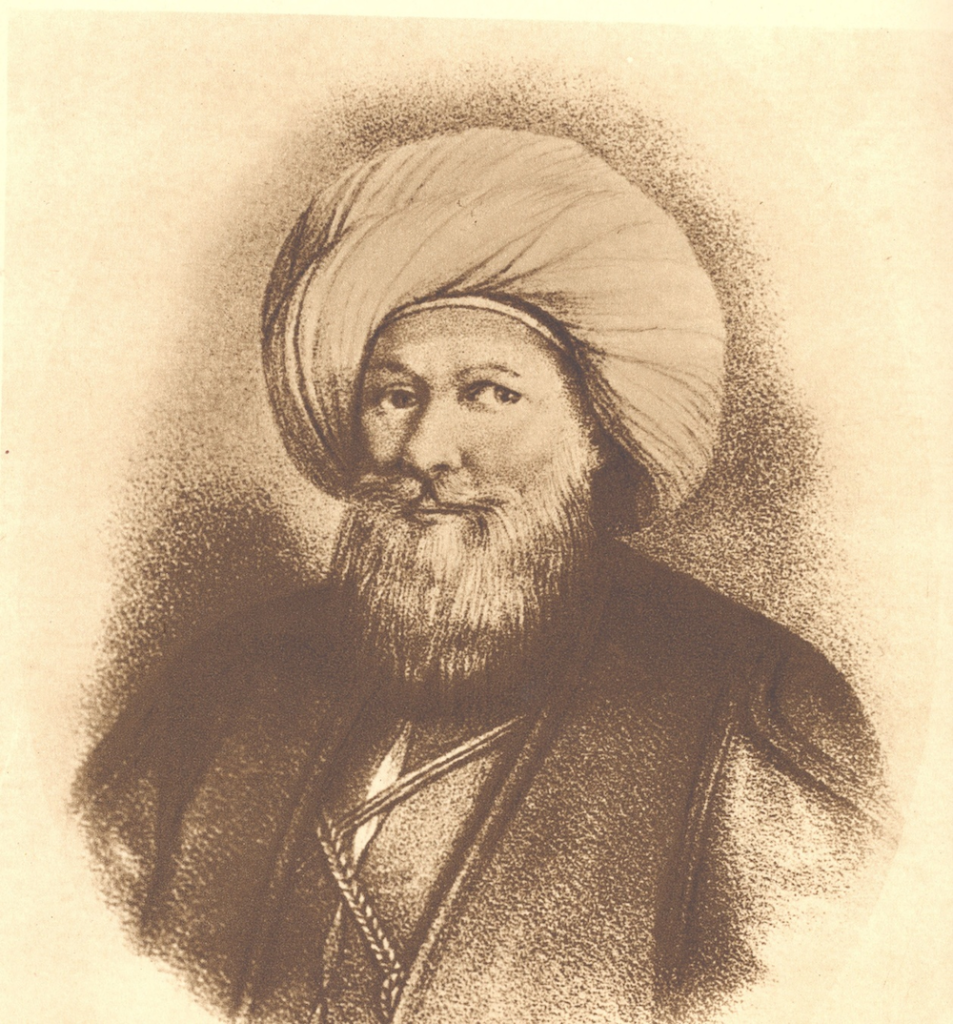
Figure 1. Mohamed Ali Pasha, ruler of Egypt (1805–1849). ©Bibliotheca Alexandrina.
To support this initiative, Mohamed Ali sent a delegation, led by Nicole El Masabki (see Sabat, 1966), to Italy to learn about printing and type-founding. Nicole El Masabki was born in the nineteenth century. His family moved from Syria to Egypt and settled on Roda Island in Cairo. El Masabki was an intelligent and open-minded youth. Upon his return, three presses, along with paper and ink from Europe, were installed, and El Masabki became the press’s first technical director (Colvin, 1998; Heyworth-Dunne, 1940; Geiss, 1908).
Regarding the first publications, it was widely stated that the earliest publication of the Press was an Arabic-Italian dictionary, composed by Don Raphael and comprising 270 pages in two parts: 200 pages of general vocabulary and 70 pages of classified terms for easier learning and reference (Heyworth-Dunne, 1940). However, in his monumental book (İhsanoğlu, 2012) achieved a more comprehensive review of all existing Arabic and Turkish books printed at the Bulaq Press during 1238 AH (1822–1823 CE) and confirmed titles and their corresponding dates of publication as follows:
1. Vesâyânâme-i seferiye (The Advices Related to War) by Frederick II, King of Prussia, translated by S̲h̲ānī-Zāde Mohamed Ataullah and printed at the Bulaq Press, Cairo, on the last day of Rabiʿ al-Awwal 1238 AH (15 December 1822 CE). This work is now recognized as the first book printed at the Bulaq Press.
2. Dizionario italiano e arabo (Italian–Arabic Dictionary) by Don Raphael. Printed at the Bulaq Press, Cairo, 1238 AH (1822 CE) (Figure 2).
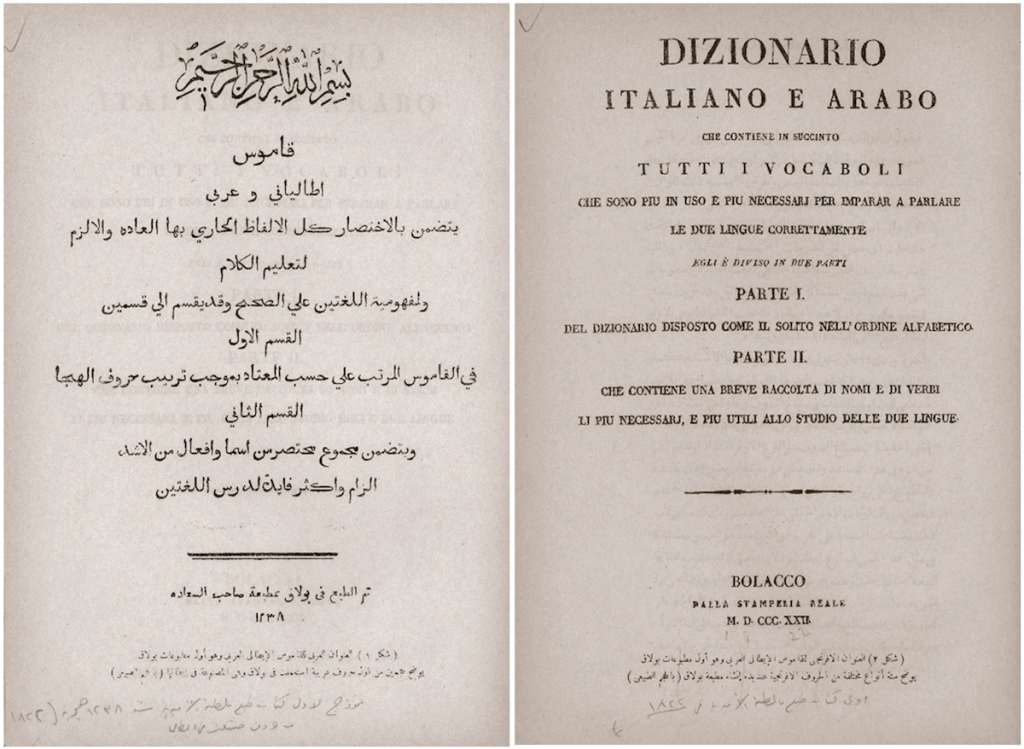
Figure 2. Arabic–Italian dictionary printed at the Bulaq Press in 1822 CE. ©Bibliotheca Alexandrina.
3. Kanunname-i asâkir-i piyadegân-ı cihadiye (Code of Civil War), translated by Ahmed Khalil Effendi and printed at the Bulaq Press, Cairo, in mid-Rajab 1238 AH (March–2 April 1823 CE).
4. Kitāb fī ṣināʿat al-ṣibāghāt al-ḥarīr (The Silk Dye) by Marquer, translated into Arabic by Don Raphael and printed at the Bulaq Press, Cairo, 26 Dhu al-Qaʿda 1238 AH (4 August 1823 CE) (Figure 3).
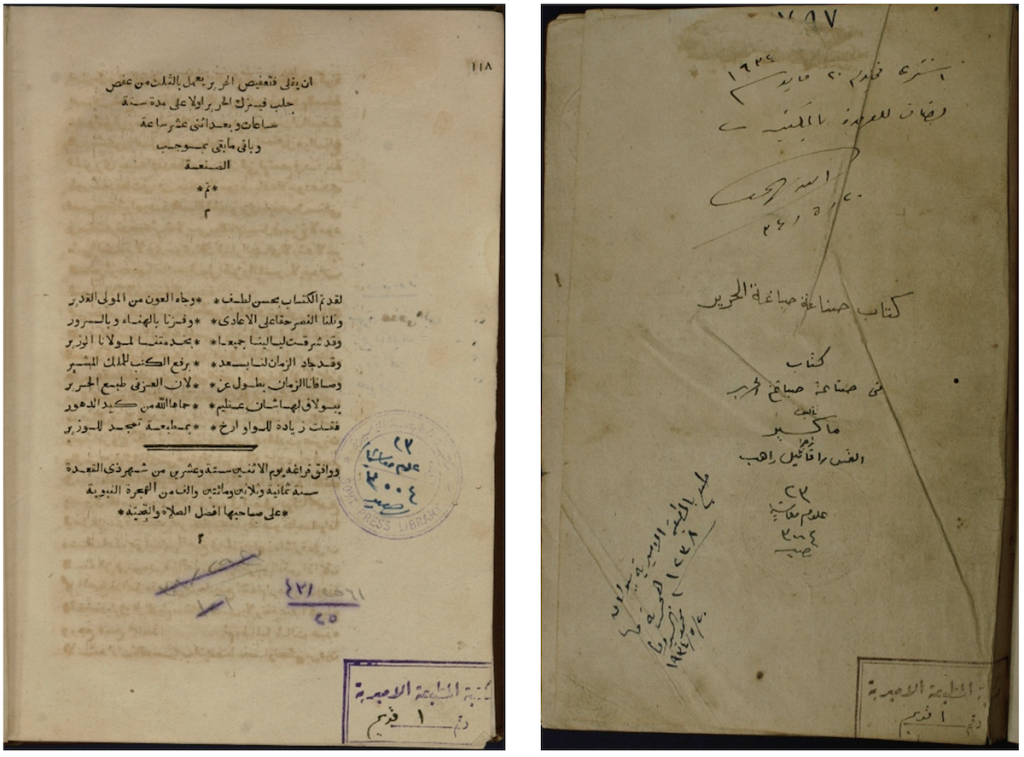
Figure 3. Kitāb fī ṣināʿat al-ṣibāghāt al-ḥarīr (The Silk Dye) printed at the Bulaq Press in 1823. ©Bibliotheca Alexandrina.
Between 1822 and 1851 (1238–1267 AH), approximately 570 works were printed in Egypt, with the Bulaq Press accounting for 526 titles—over 90% of the total. This dominance indicates the central role of state-controlled publishing during this period (Hsü, 1985).
The establishment of the Bulaq Press was not merely a technological achievement but also a bureaucratic and intellectual innovation, reflecting Mohamed Ali’s vision of knowledge as an instrument of state power and modernization. Rather than a revival of traditional learning, it embodied a pragmatic engagement with European science and print culture, serving the Pasha’s broader reform agenda. In 2004, the Bibliotheca Alexandrina acquired a unique collection of historic printing machines and early Bulaq publications, which were transferred by the Ministry of Foreign Trade and Industry for preservation and exhibition. I led the documentation and research mission that uncovered and narrated the rich history behind this remarkable heritage.
The earliest attempt to document the production of the newly established Bulaq Press was made by J. T. Reinaud in 1831 (Reinaud, 1831). He compiled a subject-based list of 55 titles, based on copies sent to the French geographer Edmé-François Jomard. Reinaud’s entries were generally brief, with Arabic or Turkish titles included for less than half of the works, and dates provided in both Hijri and Gregorian calendars.
Shortly thereafter, Joseph von Hammer-Purgstall (1832–1833) produced an independent chronological list—also totaling 55 titles, though likely coincidental. His list featured transliterated titles, brief annotations, pagination details, and dates in dual-date formats. However, it remains unclear whether von Hammer examined the actual printed volumes or relied on an inventory sent to the Imperial Palace Library in Vienna (Verdery, 1971).
The most comprehensive early account of the Bulaq Press documentary heritage was compiled by T. X. Bianchi, covering nearly all works issued from the press’s founding through the end of 1842. Building on the earlier efforts of Reinaud and von Hammer, Bianchi expanded the list using Arabic materials collected in Cairo at his request and forwarded by the dragoman of the French consulate. His chronologically arranged catalogue includes 243 titles—188 of which were not found in the previous lists. Each entry features Arabic-script titles, brief descriptions, publication dates, formats, and prices. Owing to its breadth and detail, Bianchi’s list remains a foundational resource for the study of early Arabic printing in Cairo (Bianchi, 2016).
In 1866, the Russian orientalist Boris Dorn published a valuable catalogue of the Bulaq Press documentary heritage held by the Musée Asiatique in St. Petersburg (Dorn, 1866). Although more limited in scope than Bianchi’s list—containing 147 titles compared to Bianchi’s 243—Dorn’s catalogue is more systematic and appears to be more accurate. It provides full titles and Hijri publication dates in Arabic script, along with pagination details and cross-references to earlier bibliographies. Significantly, Dorn organized the entries by subject matter, enhancing the catalogue’s accessibility and scholarly utility (Verdery, 1971).
The first substantive analysis of Egypt’s modern book industry was conducted by J. Heyworth-Dunne, who based his study entirely on the earlier bibliographic works of Bianchi and Reinaud. His contribution included a useful tabular classification of the 243 titles published by the Bulaq Press; however, the absence of a corresponding key linking titles to their authors limited its scholarly value.
Heyworth-Dunne’s classification reveals that 135 of the 243 titles can be categorized as “new titles,” addressing subjects such as military and naval science, medicine, engineering, mathematics, geology, botany, geography, European and ancient Egyptian history, natural and veterinary sciences, travel literature, philosophy, and agriculture. The remaining 108 titles pertain to more traditional disciplines, including Turkish history, Islamic jurisprudence, Arabic grammar, poetry, rhetoric, Sufism, calendrical systems, dream interpretation, and the biography of the Prophet. Notably, 67 of the 135 modern titles are identified as translations—almost all from French—highlighting the Bulaq Press’s role in transmitting European knowledge into the Arabic intellectual sphere (Heyworth-Dunne, 1940).
In 1990, Prof. Aida Nuseir published a pioneering bibliographical study that offers a comprehensive survey of Arabic books published in Egypt during the nineteenth century, covering the beginning of Arabic printing with movable type and the intellectual revival in this period. Her book meticulously documents hundreds of titles printed primarily at the Bulaq Press and other emerging Egyptian presses, situating them within their historical, political, and cultural contexts (Nuseir, 1990).
In addition, Dr. Hatice Aynur published three scholarly articles addressing various subjects relating to the printing press (Aynur, 1990; Aynur, 2011; İhsanoğlu & Aynur, 2003: “Bulak Matbaası’nda Basılan Türkçe Divanlar (Turkish Divans Printed at the Bulaq Press)”; “Arap Harfli Türkçe Basılı Kitaplarda İçkapağın Gelişimi: 1826–1923 (The Development of the Inner Title Page in Turkish Printed Books in Arabic Script”, and, co-authored with İhsanoğlu, “Yazmadan Basmaya Geçiş: Osmanlı Basma Kitap Geleneğinin Doğuşu: 1729–1848 (From Manuscript to Print: The Birth of the Ottoman Printed Book Tradition).”
Prof. Ekmeleddin İhsanoğlu devotes a section to the publications of the Bulaq Press in The Turks in Egypt and Their Cultural Legacy (İhsanoğlu, 2012). He analyzes the output of Turkish-language books printed in Egypt from the early nineteenth century onwards. This study categorizes titles by subject, traces their chronology, and notes reprints and dual-edition works. Statistical tables show the proportion of Turkish books compared with Arabic and other languages. İhsanoğlu also examines the authors, translators, and editors involved in these works. This provides a rare quantitative and thematic profile of Bulaq’s Turkish-language production.
The Bulaq Press developed a distinct publishing identity that aligned closely with Mohamed Ali Pasha’s broader modernization agenda. Its output can be broadly categorized into three key areas: military manuals, educational textbooks, and works on Islamic culture.
The first category—military manuals—reflects both Mohamed Ali’s personal priorities and the vital role of the press in supporting the newly organized army. From its establishment in 1822 until around 1826, the majority of titles printed were manuals on military organization, tactics, and discipline, such as the Turkish work Lağım Risalesi (A Treatise on Mines).
The second category—educational textbooks—emerged from 1824 onwards, coinciding with the expansion of Egypt’s modern schooling system. These textbooks primarily served the new state-run schools and focused on medicine and engineering subjects. For example, the Arabic book Al-Handasah al-Waṣfiyyah (Descriptive Geometry), which was translated from French into Arabic by Biyoumi Mohamed Effendi, was printed in 1837 (Figure 4).
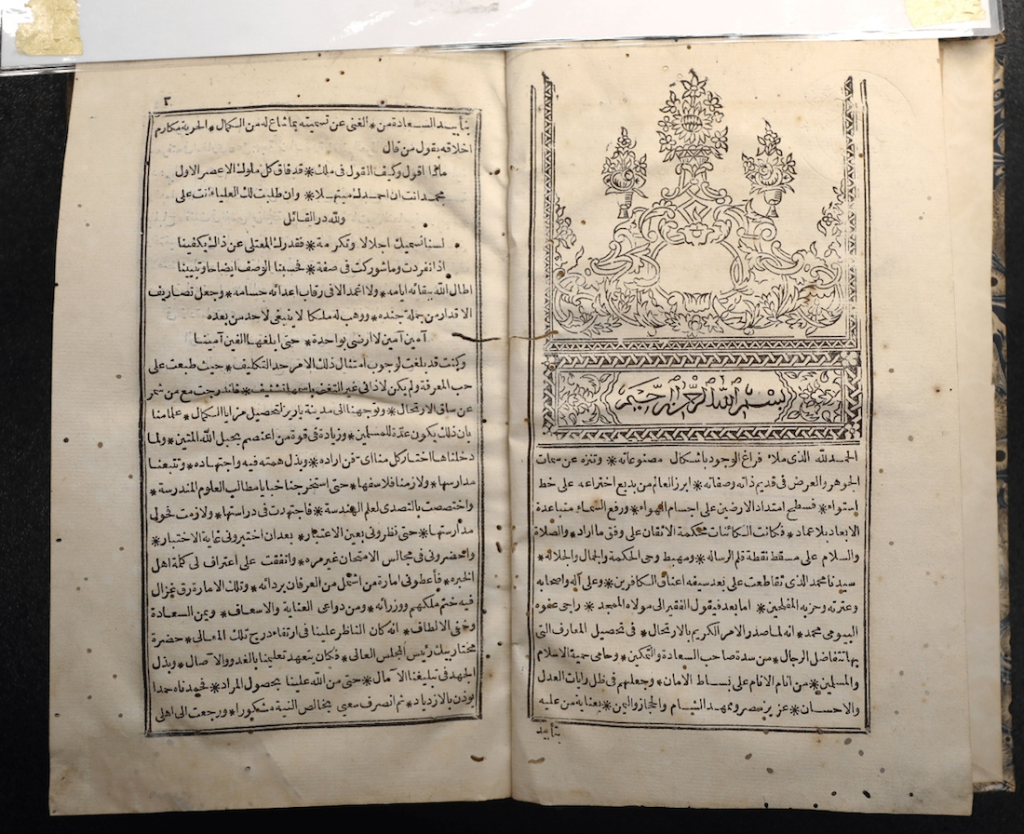
Figure 4. Al-Handasah al-Wasfiyyah (Descriptive Geometry). ©Bibliotheca Alexandrina.
The third category encompassed religious and literary works not tied to formal education. Though these texts represented a smaller share of the press’s output, they held cultural and spiritual significance. Mohamed Ali’s commitment to modernization did not exclude religion; instead, he supported its continued visibility in the public sphere. The Bulaq Press issued numerous religious texts—including works on Islamic jurisprudence, Sufism, and theological obligations—alongside classical literature and philosophy. Editors and scholars involved in this effort viewed it as a cultural mission to revive and preserve the intellectual heritage of Arab and Islamic civilization. Among the press’s most significant contributions were multi-volume editions of Minhāj al-Sunnah al-Nabawiyyah by Ibn Taymiyyah and al-Futūḥāt al-Makkiyyah (The Meccan Revelations) by Ibn ʿArabī. It also published Wafayāt al-Aʿyān by Ibn Khallikān, a seminal biographical dictionary, as well as literary classics such as One Thousand and One Nights.
The Bulaq Press printed works in Arabic, Ottoman Turkish, and Persian, reflecting both Egypt’s multilingual landscape under Ottoman rule and the cosmopolitan nature of its intellectual life. Arabic titles dominated and addressed religious, legal, and administrative needs. Turkish publications primarily served the ruling elite and government officials, while Persian works appealed to literary, historical, and diplomatic circles. This multilingual output showcased the press’s typographic versatility and its role in fostering cross-cultural exchange in the nineteenth-century Middle East (Azab & Mansour, 2005).
Teaching in the new schools established by Mohamed Ali faced major linguistic challenges. The most recent curricula had to be found and then translated into Arabic. European teachers lectured in French or Italian, requiring translation into Arabic. The early translators were mainly Syrians, not Egyptians, such as Yohanna ʿAnḥūrī. He was of Syrian origin and knew Italian; thus, the French texts were retranslated for him to work. He translated seven medical works by Clot Bey and others. A second translator, Don Raphael (1759–1831), was fluent in Italian and French. He was born in Cairo, where his family, originally from Aleppo (Syria) and of the Greek-Catholic (Melkite) rite, had settled a few years earlier. The social and religious conditions in which his compatriots living in Egypt found themselves at that time undoubtedly contributed to determining his ecclesiastical career (Bachatly, 1935). Yūsuf Firaʿūn, another Syrian, translated directly from French and possibly into Turkish. He contributed twelve works, mainly for the Veterinary School creating readable Arabic versions for classroom use (Heyworth-Dunne, 1940).
The translation service in Egypt lacked systematic organization; the production of Arabic works started between 1816 and 1820, and one of the first individuals to translate from European languages into Arabic was Don Raphael (Bachatly, 1935). From its inception, the press produced works in both Turkish and Arabic, including 204 Arabic translations of Turkish texts. Until 1858, the majority of these translations were legal codes, administrative regulations, and military manuals—serving the practical needs of Egypt’s bilingual bureaucracy and armed forces. Administrative texts were frequently issued in bilingual Turkish–Arabic editions, while military publications typically appeared in separate language versions. The first known bilingual publication, printed in 1828, documented the minutes of the Consultative Council (al-Majlis al-Mashūra), underscoring the continued significance of Turkish within Egypt’s bureaucratic framework during this period (İhsanoğlu, 2012).
The Bulaq Press’s translation and adaptation efforts were far from a wholesale adoption of European knowledge. Instead, they followed a highly selective approach that prioritized practical utility over cultural depth, with Arabic functioning primarily as a medium for transmitting specialized expertise. Of the 32 identified categories of printed works, 15 introduced either entirely new disciplines or novel methodological approaches. Many of these texts were not authored locally but translated from European sources, often via Turkish.
This process also played a critical role in shaping Arabic as a language of science and technical knowledge. A key figure in this transformation was Ishak Efendi (b. 1774?), an influential polymath active during the reign of Mahmud II (28 July 1808 – 1 July 1839). A Jewish convert to Islam, Ishak Efendi, became known as the “father of Turkish technology.” Fluent in Turkish, Arabic, Hebrew, Persian, Greek, Latin, and French, he authored or translated 11 major works in mathematics, physics, and chemistry. His contributions included creating new technical vocabulary and advancing scientific terminology in both Turkish and Arabic. As a teacher and later director of the Imperial School of Engineering (École de Génie) (Heyworth-Dunne, 1940), Ishak Efendi helped institutionalize scientific education in the Ottoman Empire.
However, the initial translations were not immediately ready for publication. They underwent editorial revision by a muḥarrir (editor), who refined terminology and ensured technical accuracy. Translators often coined new scientific terms, which the muḥarrir evaluated for clarity and suitability. A musahhiḥ (corrector), typically a sheikh from al-Azhar, reviewed the texts for linguistic and literary quality—though in some cases, the roles of editor and corrector overlapped. This collaborative process was instrumental in developing a modern Arabic scientific vocabulary and stands as a significant intellectual achievement of the Mohamed Ali era (Heyworth-Dunne, 1940).
Turkish served as the primary language for works on mathematics and mechanics during this period, with 10 out of 16 titles published in Turkish for military education. A prominent example of Turkish-to-Arabic translation is Éléments de géométrie by Adrien-Marie Legendre (1752–1833). Initially translated from French into Turkish by Ibrahim Edhem Bey for the Muhandiskhāna (School of Engineering) and printed in 1836, the work was later translated into Arabic by Mehmed İsmet Effendi under the title Usūl al-Handasa (The Elements of Geometry). The Arabic edition was first published in Egypt in 1839, followed by a second edition in 1865 (İhsanoğlu, 2012).
In contrast to technical subjects, medical and veterinary texts were overwhelmingly published in Arabic—14 of 15 medical works—reflecting the predominantly Egyptian student body in these fields. Arabic grammars were also disproportionately represented, indicating a strong institutional focus on language instruction for Egyptians.
The Bulaq Press also published a significant number of Turkish poetry collections, likely catering to the tastes of the Ottoman elite and possibly for export. Even in religious literature—such as works on Sufism and the Prophet’s biography—20 out of 27 titles were in Turkish. In contrast, most technical and scientific works—covering fields like engineering, botany, and agriculture—were issued in Arabic, serving the needs of Egyptian students entering new professional sectors (Aynur, 1990).
This linguistic distribution reveals a clear asymmetry in access to content: Turkish-speaking elites enjoyed a broader literary and historical repertoire, including translations of European political biographies and classical Ottoman poetry. At the same time, Arabic-speaking readers primarily received grammatical manuals and practical treatises. (Aynur, 2023; Aynur, 2024).
Persian occupied a smaller niche, appealing to a limited but educated readership, particularly in literary circles. Language instruction was a significant area of focus, with 20 bilingual grammar and vocabulary titles printed during this period, including the Turkish–Persian Tuhfe-i Vehbī (Vehbi’s Rhyming Dictionary) (Erol, 2020). (Figure 5). A notable point is that among the first works printed at both the Bulaq and Müteferrika presses were dictionaries. The Müteferrika Press issued the Vankulu Lügatı (Vankulu Dictionary)—a translation from Arabic to Turkish—by Vankulu Mehmed Efendi, first published in 1729. At Bulaq, one of the early publications was the Dizionario Italiano e Arabo, an Italian-Arabic dictionary prepared by the Greek Orthodox priest Don Raphael (d. 1831) (Roper, 2014). The publication of these two dictionaries marked a symbolic turning point, reflecting a shift in intellectual orientation from East to West. The Italian–Arabic dictionary was a direct outcome of the 1815 mission to Italy to acquire printing expertise and thus reflects a practical, technical motive. In contrast, Vankulu’s translation, completed in 1589, aimed to make Arabic more accessible to Turkish readers, given its centrality to Islamic sciences. Don Raphael’s dictionary, however, was purposefully compiled with print publication in mind. In his preface, he notes that the work was intended to assist students and translators—underscoring its functional and timely nature. This work, used to teach Persian—which was compulsory in Egyptian schools at the time—was printed six times during Mohamed Ali’s rule and reissued three more times thereafter (İhsanoğlu, 2012).
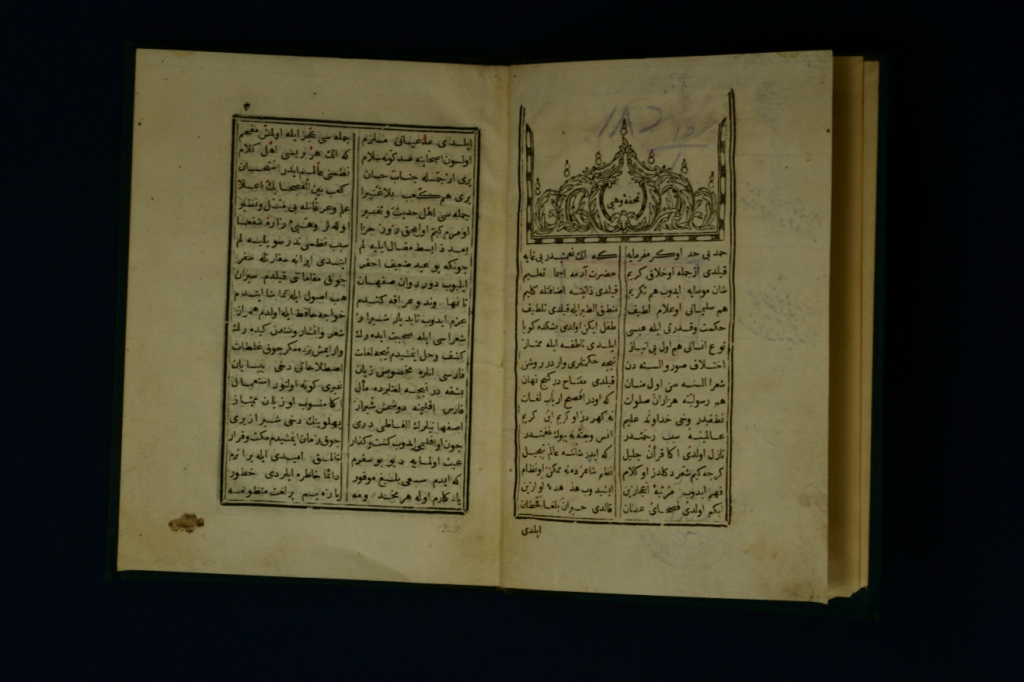
Figure 5. Tuhfe-i Vehbī (Vehbi’s Rhyming Dictionary) printed at the Bulaq Press in 1835–1836. ©Bibliotheca Alexandrina.
Notably, nearly all military publications issued by the Bulaq Press were in Turkish, with only a few exceptions—primarily instructional manuals at the platoon level—produced in Arabic, likely intended for Arabophone sergeants or junior officers. Only three non-military works translated from Western languages into Turkish were published at Bulaq: Napoleon’s Mémoires, Castera’s History of Catherine II, and Carlo Botta’s History of Italy. The latter is a translation of the first seven chapters—covering events up to 1796—of Storia d’Italia dal 1789 al 1814, a historical work by Carlo Giuseppe Guglielmo Botta (d. 1837). This portion of the book primarily focuses on Napoleon Bonaparte’s military campaigns. The translation, subtitled “Also Known as the History of Napoleon”, was rendered into Ottoman Turkish by Hasan Efendi and published in two volumes in Alexandria in 1833. The decision to translate this particular work was likely driven by Muhammad Ali Pasha’s profound interest in Napoleon. It is well documented that the Pasha held Bonaparte in high esteem, and sources suggest that those around him even persuaded him that he was a “second Napoleon.” Some accounts go further, arguing that Muhammad Ali viewed himself as Bonaparte’s political heir in the project of revitalizing the Nile Valley—a testament to the deep admiration and symbolic association he cultivated with the French general (Erol, 2020). These three exceptions highlight the press’s strong orientation toward serving the Turkish-speaking military and administrative elite (Verdery, 1971).
Of the 48 titles published on military and naval subjects, 39 were in Turkish, demonstrating the dominance of Turkish within the military establishment and its educational institutions. However, beginning in the early 1830s, the priorities of the Egyptian state began to shift toward the production of Arabic-language publications, particularly in scientific and technical fields, to meet the growing needs of local administration and modern educational reforms (Hsü, 1985; Aynur, 2023).
The wide range of subjects published by the Bulaq Press during Mohamed Ali’s reign reflects both the strategic attention his administration gave to the press and the responsiveness of its output to Egypt’s evolving cultural and bureaucratic needs. The majority of these publications served the Turkish-speaking community in Egypt, supporting their official functions. For example, the historical chronicle Meḥāsin al-Āthār wa Ḥaqāʾiq al-Akhbār (The Splendors of Monuments and the Realities of Accounts), authored by the Ottoman court historian Ahmed Wāsıf Efendi (d. 1806), covers the period from 1166 to 1219 AH (1752–1805 CE). Its first edition was printed at the Bulaq Press in 1827 CE (1243 AH), followed by a second edition in 1830 CE (1246 AH). The relatively short interval between these two editions reflects Egypt’s sustained interest in Ottoman political and historical affairs. From 1836 onward, Wāsıf’s History was adopted as a textbook for reading and writing instruction among Arab and Turkish students in the newly established schools of the Muhammad Ali era. The Bulaq Press likely contributed to its selection for educational use. Moreover, the rapid reissue of the work within three years underscores the role of institutional demand—particularly for pedagogical purposes—in shaping the press’s publishing priorities. Indeed, Bulaq’s influence extended beyond Egypt, as its Turkish-language books stimulated the Ottoman book market, with many titles later reprinted in Istanbul. During Mohamed Ali’s rule alone, 253 books in Turkish were published across all presses (Erol, 2020).
The circulation of Bulaq publications extended across the Ottoman Empire. State-sponsored textbooks and commercially printed works funded by private publishers were produced at the press but required a wider audience to be profitable. While many books addressed local needs, the domestic market alone was insufficient. Private dealers, therefore, expanded distribution to major Ottoman cities such as Istanbul, Izmir, and Thessaloniki, where Bulaq titles reached a broader readership (El-Shamsy, 2020).
Evidence from 1839–1884 shows a sustained effort to engage Turkish readers, even after Mohamed Ali died in 1849. Bulaq publications appeared in a prominent 1874 sales catalogue from a bookseller in Istanbul and continue to appear in private Turkish collections today. This indicates a strong Cairo–Istanbul publishing network, though the mechanisms and cultural dynamics of this exchange remain underexplored and warrant further research.
Print runs at Bulaq varied depending on the subject matter and anticipated readership. Most books were published in editions of 500 to 2,000 copies, with 1,000 being the standard. Privately funded publications (multazim) were typically more limited, often capped at 500 copies. One such example is Multaqā al-Abḥur (The Confluence of the Seas), printed in 1847 at the expense of ʿAṭā Bek, the Qāḍī of al-Maḥrūsa.
Shaykh Rifāʿa Rāfiʿ al-Tahtawy (Figure 6) (1801–1873) was an Egyptian intellectual, educator, translator, and key figure of the Nahda (Arab Renaissance). Among the first Egyptians to travel to France, he published a landmark account of his five-year stay, becoming one of the earliest scholars to introduce Western ideas and promote cultural dialogue between Islamic and Christian civilizations. He played a key role in expanding Arabic-language publishing at Bulaq, advocating for the printing of significant classical works that had previously existed only in manuscript form. These included al-Maqrīzī’s al-Mawāʿiẓ wa-l-Iʿtibār (Admonitions and Considerations in the Account of Plans and Monuments, 1853–1854 CE), al-Iṣfahānī’s Kitāb al-Aghānī (The Book of Songs, 1868–1869), al-Ḥarīrī’s Maqāmāt (The Assemblies of al-Ḥarīrī, 1850 CE), and Ibn Khaldūn’s Kitāb al-ʿIbar (The Book of Lessons and the Record of Beginnings and Events in the History of the Arabs, Non-Arabs, and Berbers, and Their Powerful Contemporaries, 1857 CE). His efforts marked a turning point in making foundational texts accessible to a broader Arabic-speaking audience (Verdery, 1971).
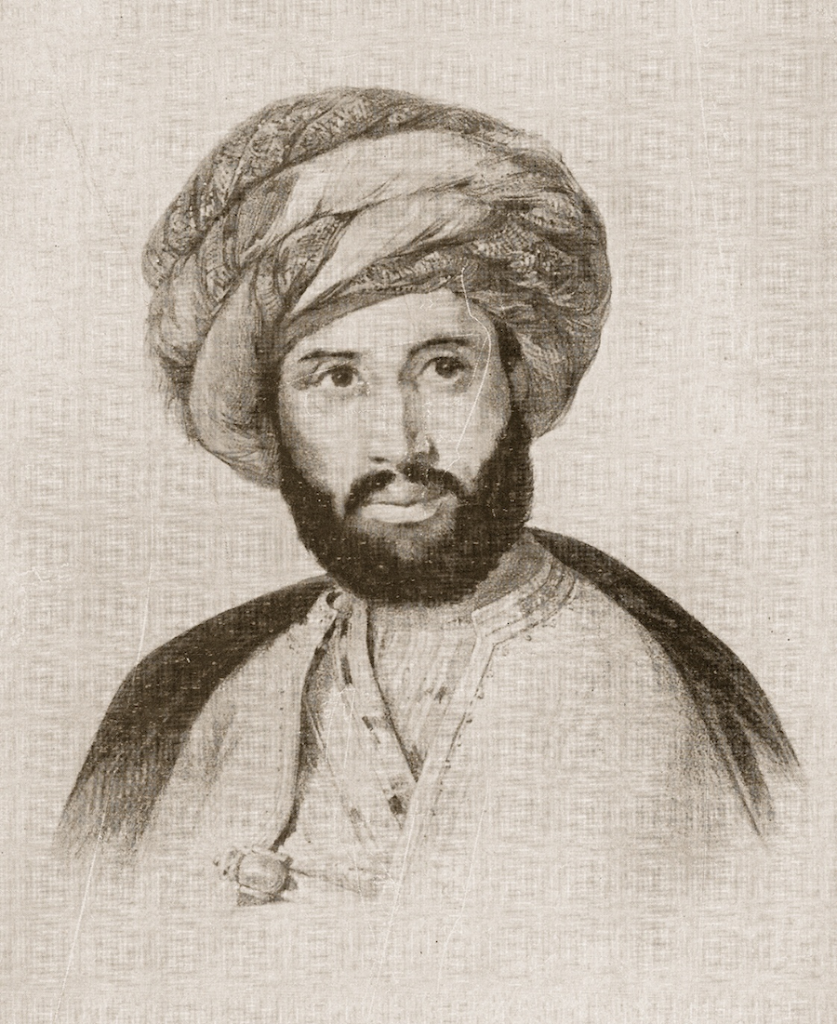
Figure 6. Shaykh Rifa’a Al-Tahtawy (1801–1873). ©Bibliotheca Alexandrina.
So, the publication of books served multiple aims, going beyond the immediate needs of state institutions. Many of these printed works were distributed outside Egypt, reaching cities such as Aleppo, Damascus, Latakia, Tripoli, and Gaza, where they were sought after not only by civil servants, physicians, chemists, and army officers, but also by religious officials, members of consultative councils, local notables, teachers, and private individuals—across all communities, including Muslims, Christians, and others. The growing public demand for printed books contributed to the economic viability of commercial or “jobbing” work for the presses. This demand led to a new trend in which not only were official publications reprinted, but also private individuals began underwriting the printing of selected titles to satisfy the growing needs of an increasingly literate and curious reading public (Hsü, 1985).
In addition, the new publications required the development of innovative typefaces that addressed both grammatical precision and the technical demands of printing. In Egypt, Mohamed Ali commissioned the renowned Persian calligrapher Mirzā Sanglāḵ (Figure 7) (died 1877) to design new typefaces for the Bulaq Press (Mansour & Hassan, 2020). Sanglāḵ developed two styles: naskh, which became the standard for most Arabic books, and nastaʿlīq, first used in the printing of the Persian-language Golestan (The Rose Garden) between 1833 and 1834. The first book printed in the newly developed naskh typeface was the Turkish work Lağım Risalesi (A Treatise on Mines) in 1824. Mohamed Ali praised its quality, describing it as “excellently calligraphed and printed” (İhsanoğlu, 2012). Indeed, the design and print quality of the books printed by the Bulaq Press—including their typefaces and layouts—reflect the evolving expectations of their readership (İhsanoğlu & Aynur, 2020).
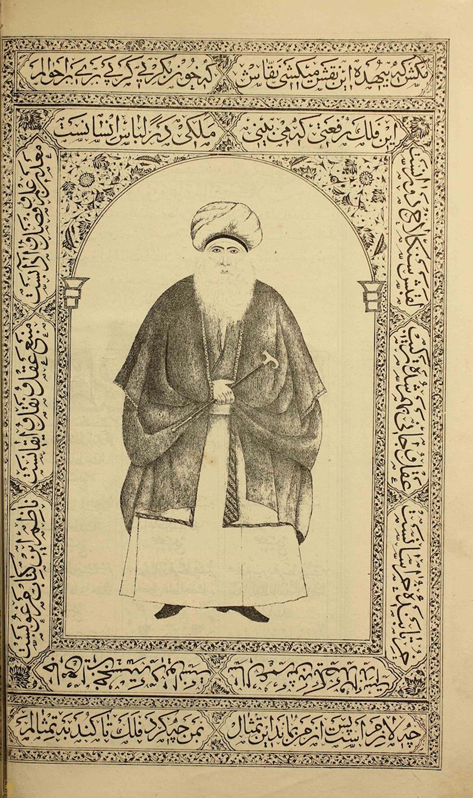
Figure 7. Portrait of Persian calligrapher Mirzā Sanglāḵ.
Archival research is essential for understanding the history of the Bulaq typefaces, and it would be helpful to know more about the qualitative evaluation of Arabic type forms. An important article preserved in the Egyptian National Archive describes the procedures undertaken in 1904–1906 by the Egyptian Cabinet to reform the typefaces, which cost 8400 Egyptian Pounds (EGP) at that time. It included the purchase of foundry-type machines, raw lead, matrices, punches, as well as training classes. The document reads:
Note Au Conseil des Ministres Le Comité des Finances a l’honneur de soumettre au Conseil des Ministres avec le présent avis une note de la Commission de la Reforme et de l’Amélioration du caractère arabe dans lequel il est proposé d’accorder à Ahmed Bey Zeki, secrétaire de cette commission, une somme de cent Livres Egyptiennes pour le couvrir de tous les frais relatifs à la mission dont il a été chargé de surveiller en Europe la gravure du corps. Le Comité estime qu’il a lieu d’autoriser le paiement de ladite somme et prie le Conseil de vouloir donner approbation à cet effet. Le Président Ahmed Mazloum 4 Mai 1904 [English Translation] To the Council of Ministers The Finance Committee has the honor to submit to the Council of Ministers, along with this opinion, a note from the Commission for the Reform and Improvement of Arabic Type. It proposes allocating to Ahmed Bey Zeki, secretary of this commission, a sum of one hundred Egyptian Pounds to cover all expenses related to the mission he was charged with, which involved supervising the engraving of the typeface in Europe. The Committee deems it appropriate to authorize payment of the said sum and requests the Council’s approval to this effect. The President Ahmed Mazloum May 4, 1904 |
It also mentioned:
« En présence de ce résultat qui réunissait le bon marché, la rapidité et la perfection d’exécution, la Commission a confié la gravure et la frappe de ses 2475 poinçons et 2475 matrices à la maison Allain guillaume pour la somme précitée de L.E. 987 ». [English translation] “In light of this result, which combined affordability, speed, and perfection in execution, the Commission entrusted the engraving and striking of its 2475 punches and 2475 matrices to the Allain Guillaume foundry for the aforementioned sum of 987 Egyptian Pounds.” |
Later, the Reform Committee decided to contact prominent calligraphers in Egypt to write and design the new typeface, following the rules of Arabic calligraphy. The Reform Committee ordered to use a typeset of 132 types and 46 diacritics. It also aimed to produce all the types and numbers of various weights and sizes to enable the printing of mathematical texts. Moreover, the Reform Committee was keen to add a final cavity to some types so that they would encircle the diacritics and vowels. The new typeface allows a reduction of about 25% in the time, effort, and cost of text composition for book production (Figure 8).
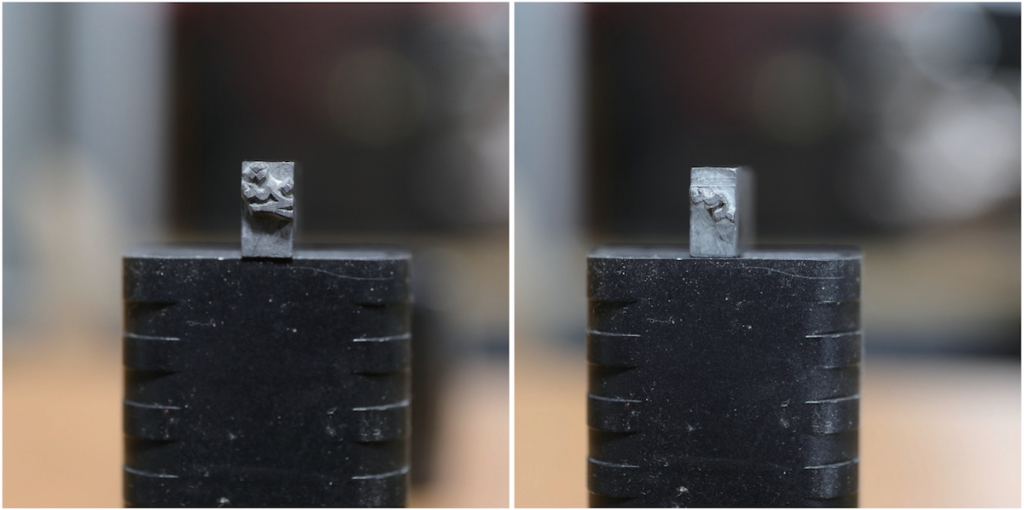
Figure 8. The new typeface of Bulaq Press. ©Bibliotheca Alexandrina.
Indubitably, the Bulaq Press played a dual role in nineteenth-century Egypt—as both a vehicle for modernization and an early enforcer of linguistic and social hierarchies. While it introduced a new epistemic infrastructure that enabled the dissemination of knowledge and supported state-building, its initial focus prioritized the Arabic-language military and technical works, reflecting the power structures of Mohamed Ali’s regime. In this regard, the press served more as an instrument of the niẓām jadīd—a new political and administrative order—than as a forerunner of the Arabic literary Nahda. It was only later, through the efforts of reformers, that this infrastructure was reoriented to support broader intellectual and cultural renewal (El-Shamsy, 2020).
Under Khedive Ismail (Ruler of Egypt from 1863 to 1879), these reforms expanded. Higher education institutions grew, and for the first time, journalism emerged as a semi-independent force. While earlier periodical documents, such as al-Waqā’iʿ al-Miṣriyya (The Egyptian Affairs) (Figure 9), functioned primarily as official state organs, the Ismail period witnessed the rise of satirical and critical periodicals such as Abū Naḍḍāra (The Man with the Glasses or Father of Spectacles), which challenged authority and engaged public opinion. This shift redefined the press from a state mouthpiece into a platform for civic engagement and national consciousness. Figures like Rifāʿa Al-Tahtawy (1801–1873) and ʿAbdallāh al-Nadīm (1842–1896) leveraged journalism to promote educational reform, political participation, and cultural identity. Their writings synthesized Enlightenment ideals with Islamic-Arabic traditions, laying the intellectual foundations for Egypt’s modern nationalist movement (Wendell, 1972).
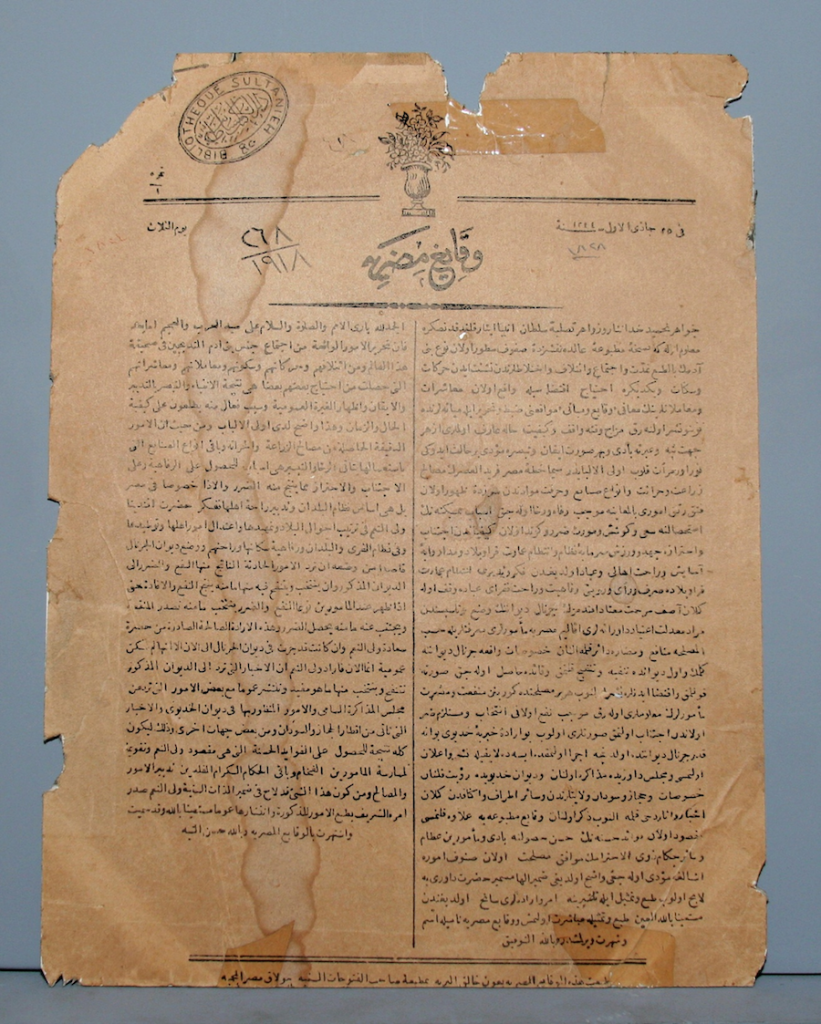
Figure 9. al-Waqa’i’ al-Misriyya, the first newspaper printed in Egypt in 1828.
By the late nineteenth century, the press had become central to Egypt’s emerging international sphere, as in 1870 a collection of 74 Arabic works (in 150 volumes), printed at the Bulaq Press, was given to the Bodleian Library (Oxford) by the Khedive Ismail through his son Prince Hassan, who was an undergraduate at the University of Oxford (Bodleian Libraries, n.d.). The Bulaq Press achieved a higher step of excellence, which enabled the printing of the Holy Quran. It was achieved in 1299H/1880-1881 CE, during the reign of Khedive Tawfiq (1879-1892) (Mansour, 2024).
As Egypt entered the twentieth century, journalism evolved into a force for social and political transformation. Journalists were no longer merely chroniclers of events but public intellectuals shaping discourse and mobilizing reform. Visual magazines such as al-Muṣawwar (The Illustrated) and Rūz al-Yūsuf further broadened the reach and impact of print media, visually constructing a modern Egyptian identity.
In this evolving landscape, the press emerged as both a mirror and a maker of modern Egypt—linking local debates to global currents and contributing to the formation of a collective national consciousness. The legacy of this transformation—rooted in the early contradictions and later potential of the Bulaq Press—continues to shape Egypt’s intellectual and political trajectory today (Hsü, 1985).
The Bibliotheca Alexandrina has played a pivotal role in safeguarding the documentary heritage of Arabic printing, particularly that of the Bulaq Press. Recognizing the press’s foundational impact on Arabic publishing and its broader cultural significance, the Bibliotheca Alexandrina’s Writing and Scripts Center published a comprehensive monograph in 2005 (Kh. Azab & A. Mansour, Bulaq Press. Alexandria, Matba‘at Bûlâq, 2005) that traces the historical, technical, and typographic contributions of the Bulaq Press.
The Bulaq Press documentary heritage preserved at the Bibliotheca Alexandrina includes a rich collection of original archival materials, many of which have been digitized and made publicly accessible through the Memory of Modern Egypt digital archive (Bibliotheca Alexandrina, n.d.-c). This platform serves as a key resource for researchers, educators, and the general public, offering access to historical documents, rare publications, and printed ephemera that reflect the intellectual and political currents of nineteenth- and early twentieth-century Egypt. The inclusion of Bulaq Press materials in this digital repository underlines their enduring significance, not only as examples of early Arabic and multilingual printing, but also as windows into the broader transformation of Egypt’s bureaucratic, educational, and cultural institutions during the era of modernization. By making these resources available online, the Bibliotheca Alexandrina contributes to the preservation and dissemination of Egypt’s printing legacy on a global scale.
Moreover, nearly 500 printed titles in a variety of languages, including Arabic, Turkish, and Persian, are kept in the Bibliotheca Alexandrina’s Rare Books Library. The oldest volume in the collection dates to 1825; it is “Kitāb Qawāʿid al-Iʿrāb (The Book of Grammar Rules). Among its holdings are several other significant publications, such as Alf Leila wa Leila (A Thousand and One Nights). Published in 1279 AH (1862 AD), this work is considered one of the most prominent publications by the Bulaq Press when it had changed its name to ‘Abdul Rahman Roushdi’s Press at Bulaq’. The inside of the cover page is adorned with magnificent engravings and intricate designs (Figure 10).
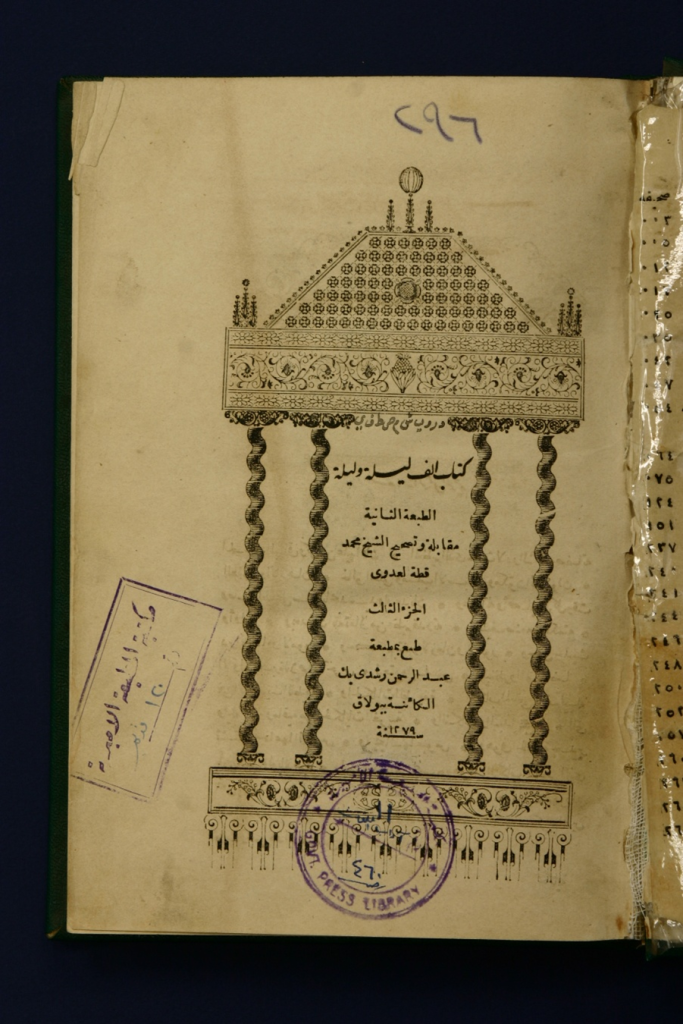
Figure 10. A Thousand and One Nights, printed in Bulaq Press in 1862.
Aja’ib al-Athar fi al-Tarajim wal-Akhbar (The Marvels of the Past in Biographies and Descriptions of Events) is a four-volume chronicle of Egypt’s history, written by Abdul-Rahman al-Jabarti and published in 1236 AH (1821 AD). The image depicts the first page of the third volume, which is fully dedicated to the French Expedition in Egypt in 1231 AH (1798 AD).
Al-Jawhara al-Bahiyya al-Ahmadiyya fi Sharh al-Wasiyya al-Mohamediyya (The Sparkling Jewel in the Explanation of the Mohammedan Will)—originally written in Turkish—explains the Sunna of Prophet Mohamed. Published in 1240 AH (1825 AD), it was printed under the supervision of Nicola El-Masabki, who was in charge of the Bulaq Press at the time. The book had previously been printed in Istanbul in 1219 AH (1805 AD) and was later translated into French by Garcin de Tassay.
Al-Siraj al-Wahhaj fi Mo’ alajat al-Amrad al Batina (The Luminous Lantern in the Treatment of Internal Ailments) by Ibrahim Abdul-Ghaffar describes a number of commonly known internal diseases that afflicted people at the time, their symptoms, and potential cures for each disease, which illustrates the press’s pivotal role in shaping the intellectual and cultural landscape of nineteenth-century Egypt. The high quality of the printing, page layout, and typographic design across these works demonstrates the technical and aesthetic standards achieved by the Bulaq Press.
In summary, the Bulaq Press’s documentary heritage preserved at the Bibliotheca Alexandrina is distinguished by three key peculiarities:
The Bulaq Press documentary heritage at the Bibliotheca Alexandrina represents the earliest and most original forms of knowledge production in Egypt during the nineteenth and early twentieth centuries. As the country’s first modern printing press, the Bulaq Press played a foundational role in documenting and disseminating new ideas, educational content, and scientific knowledge. It marked the beginning of a distinctly Egyptian intellectual and cultural output in printed form. The documentary heritage was primarily in Arabic, followed by Turkish and Persian. In the latter half of the nineteenth century, European languages, particularly French and English, began to appear in print. This period witnessed rapid growth in the number of printing presses in Egypt, fueling a significant movement in the publishing industry. This expansion led to the establishment of some of the country’s most prominent printing presses, including several foreign-owned presses.
Today, the collection of the Bulaq Press documentary heritage at the Bibliotheca Alexandrina stands as a testament to Egypt’s intellectual and cultural leadership during a period of profound transformation. Preserving these works highlights the historical significance of the Bulaq Press in shaping modern Arabic printing while serving as an invaluable resource for scholars, historians, and those interested in the development of Arabic literature and intellectual tradition. The collection is a lasting reminder of Egypt’s central role in Nahda (Arab Renaissance), a period of cultural, intellectual, and political revitalization that influenced the Arab world well into the twentieth century.
The Bibliotheca Alexandrina proudly houses the remarkable collection of documentary heritage from the Bulaq Press in its Rare Books Library. This extensive section is accessible to the public and serves as a valuable resource for researchers, scholars, and enthusiasts of historical texts (Figure 11). (Mansour, 2014).
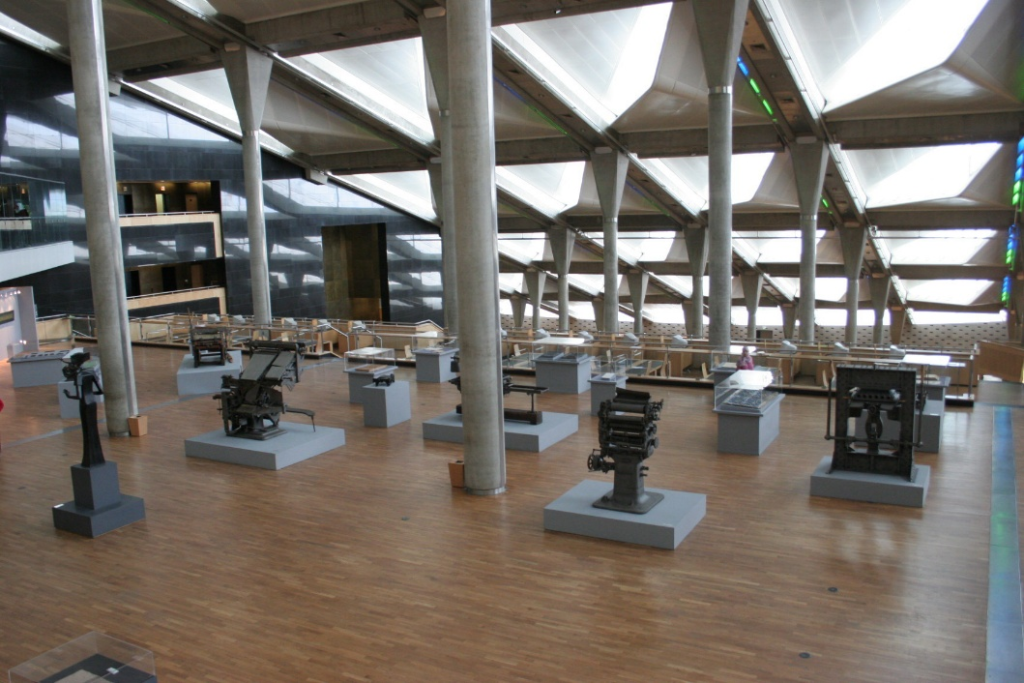
Figure 11. The Bulaq Press Permanent Exhibition at Bibliotheca Alexandrina. ©Bibliotheca Alexandrina.
In recognition of its efforts, the Bulaq Press was selected in 2018 as a founding member of the International Association of Printing Museums (IAPM), headquartered in South Korea (International Association of Printing Museums, n.d.). This affiliation affirms the press’s global significance in the history of printing, alongside early landmarks such as the fourteenth-century Korean Jikji, the earliest known book printed with movable metal type.
Moreover, the Bibliotheca Alexandrina has transformed the Bulaq Press into an educational resource and research hub. Each year, it hosts students from the American University in Cairo and researchers from institutions such as the University of Reading in the UK, offering guided academic visits and expert-led presentations on the historical evolution of Arabic type design and printing technology. Through these initiatives, Bibliotheca Alexandrina ensures that the material and intellectual legacy of Arabic printing—embodied by the Bulaq Press—continues to inform and inspire future generations of scholars, designers, and historians.
In line with its broader mission to safeguard the documentary heritage of Arabic printing, the Bibliotheca Alexandrina has developed a comprehensive digital platform dedicated to the Bulaq Press. This initiative serves not only to chronicle the historical evolution of the press but also to preserve and make accessible the extensive corpus of works it produced over the decades. Through meticulous digitization, scholarly documentation, and public dissemination, the platform offers researchers, historians, and the general public broad access to one of the most influential printing institutions in the Arab world. This effort reflects the Bibliotheca Alexandrina’s commitment to cultural preservation, knowledge dissemination, and the promotion of historical scholarship (Bibliotheca Alexandrina, n.d.-a).
As part of its ongoing efforts to promote scholarship and foster international collaboration in the preservation of documentary heritage, the Bibliotheca Alexandrina organized the Third International Conference on Printing and Publishing in the Languages of the Middle East in 2011. This significant academic gathering brought together experts, researchers, and practitioners from around the world to explore both historical and contemporary aspects of documenting the written heritage of Arabic, Persian, Ottoman Turkish, “father of Ottoman technology”? and other regional languages. The conference served as a vital platform for knowledge exchange and the advancement of research into the linguistic, cultural, and technological dimensions of the region’s documentary heritage (Bibliotheca Alexandrina, n.d.-b).
In conclusion, the Bulaq Press was a pioneering force in the Arabic printing tradition, serving as a vehicle for state policy, educational reform, and cultural renaissance. Despite challenges such as political interference and early gaps in documentation, its contributions to Egypt’s intellectual and publishing history remain fundamental. It established standards in production quality, editorial rigor, and thematic diversity that would shape the future of printing across the Arab world.
Aynur, H. (1990). Bulak Matbaası’nda basılan Türkçe divanlar [Turkish divans printed at the Bulaq Press]. Journal of Turkish Studies = Türklük Bilgisi Araştırmaları, Fahir İz Armağanı, 14(1), 43–74.
Aynur, H. (2011). Arap harfli Türkçe basılı kitaplarda içkapağın gelişimi: 1826–1923 [The development of the inner title page in Turkish printed books in Arabic script]. In E. Balta et al. (Eds.), Yücel Dağlı Anısına ‘Geldi Yücel, Gitti Yücel, Bir Nefes Gibi…’ (pp. 79–101). Turkuaz.
Aynur, H. (2023). Bulak Matbaası’nın kitap satış listeleri I: 1260 (1844) tarihli liste [Book sales lists of the Bulaq Press I: The list dated 1260 (1844)]. Müteferrika, (64), 3–38.
Aynur, H. (2024). Bulak Matbaası’nın kitap satış listeleri II: 1262 (1845-46) tarihli liste [Book sales lists of the Bulaq Press II: The list dated 1262 (1845-46)]. Müteferrika, (65), 3–42.
Azab, K., & Mansour, A. (2005). Matba‘at Bûlâq [The Bulaq Press]. Bibliotheca Alexandrina.
Bachatly, C. (1935). Un membre oriental du premier Institut d’Egypte: Don Raphaël (1759–1831) [An oriental member of the first Institute of Egypt: Don Raphael (1759–1831)]. Bulletin de l’Institut d’Egypte, 12, 237–260.
Bianchi, T.-X. (2016). Catalogue général et détaillé des livres arabes, persans et turcs, imprimés à Boulac, en Égypte depuis l’introduction de l’imprimerie dans ce pays, en 1822, jusqu’en 1842 [General and detailed catalogue of Arabic, Persian and Turkish books, printed at Bulaq, in Egypt from the introduction of printing in this country, in 1822, until 1842]. (Original work published 1843).
Bibliotheca Alexandrina. (n.d.-a). Bulaq Press digital archive. https://www.bibalex.org/bulaqpress/en/bulaq.htm
Bibliotheca Alexandrina. (n.d.-b). Conference webcast: The Bulaq Press. https://webcast.bibalex.org/Conference/Details.aspx?ID=60
Bibliotheca Alexandrina. (n.d.-c). Memory of Modern Egypt. https://modernegypt.bibalex.org/collections/home/default.aspx
Bodleian Libraries. (n.d.). Middle Eastern and Islamic studies: Printing in the Middle East. University of Oxford. https://libguides.bodleian.ox.ac.uk/c.php?g=422971&p=2888527
Colvin, P. (1998). Mohamed Ali Pasha, the Great Exhibition of 1851, and the School of Oriental and African Studies Library. Libraries & Culture, 33(3), 250–253. https://www.jstor.org/stable/25548638
Davison, R. H. (2012). S̲h̲ānī-Zāde Meḥmed ʿAṭāʾ Allāh Efendi. In Encyclopaedia of Islam. Brill.
Dorn, B. (1866). Catalogue des ouvrages arabes, persans et turcs, publiés à Constantinople, en Egypte et en Perse qui se trouvent au Musée asiatique de l’Académie [Catalogue of Arabic, Persian and Turkish works published in Constantinople, Egypt and Persia found in the Asiatic Museum of the Academy]. Bulletin de l’Academie Impériale des Sciences de Saint-Petersbourg, 10, 182–199.
El-Shamsy, A. (2020). Rediscovering the Islamic classics: How editors and print culture transformed an intellectual tradition. Princeton University Press.
Erol, H. I. (2020). 1798-1850 arası Mısır’da matbaa: Tarih alanında neşir ve tercüme faaliyetleri [The printing press between 1798-1850 in Egypt: Publication and translation activities in the field of history]. Turkish Journal of Middle Eastern Studies, 7(2), 171–208. https://doi.org/10.26513/tocd.715230
Geiss, A. (1908). Histoire de l’Imprimerie en Égypte [History of printing in Egypt]. Bulletin de l’institut d’Égypte, 2, 195–220. https://doi.org/10.3406/bie.1907.4504
Glass, D. (2002). The printing of Arabic books in the Arab world. In E. Hanebutt-Benz, D. Glass, & G. Roper (Eds.), Middle Eastern languages and print revolution: A cross cultural encounter (pp. 177–216). Gutenberg-Museum.
Hammer-Purgstall, J. (1832–1833). Geschichte des Osmanischen Reiches [History of the Ottoman Empire] (Vol. 8–9). Akademische Druck- u. Verlagsanstalt.
Heyworth-Dunne, J. (1940). Printing and translations under Mohamed Ali of Egypt: The foundation of modern Arabic. The Journal of the Royal Asiatic Society of Great Britain and Ireland, 3, 325–349. http://www.jstor.org/stable/25221680
Hsü, C-h. (1985). The first thirty years of Arabic printing in Egypt, 1238–1267 (1822–1851): A bibliographical study with a checklist by title of Arabic printed works [Doctoral dissertation, University of Edinburgh]. Edinburgh Research Archive. https://era.ed.ac.uk/items/0e654192-1e38-4756-9060-3816b9c4dc79
İhsanoğlu, E. (2012). The Turks in Egypt and their cultural legacy (H. Davies, Trans.). American University in Cairo Press.
İhsanoğlu, E., & Aynur, H. (2003). Yazmadan basmaya geçiş: Osmanlı basma kitap geleneğinin doğuşu (1729-1848) [Transition from manuscript to print: The birth of the Ottoman printed book tradition (1729-1848)]. Osmanlı Araştırmaları, 22(22), 223–254.
İhsanoğlu, E., & Aynur, H. (2020). The birth of the tradition of printed books in the Ottoman Empire: Transition from manuscript to print (1729–1848). In Studies on Ottoman science and culture (pp. 165–196). Routledge.
International Association of Printing Museums. (n.d.). International Association of Printing Museums. http://www.theiapm.net/home/main.php
Izadpanah, B. (2018). Early Persian printing and typefounding in Europe. Journal of the Printing Historical Society, 29, 87–125.
Mansour, A. (2014). The Bulaq Press Museum at the Bibliotheca Alexandrina. In G. Roper (Ed.), Historical aspects of printing and publishing in languages of the Middle East (Vol. 4, pp. 287–315). Brill. https://doi.org/10.1163/9789004255975_014
Mansour, A. (2024). Dirāsah li-muṣḥaf nādir min Maṭbaʿat Bulaq (Muṣḥaf Tawfīq) muʾarrakh bi-sanat 1299 H / 1881 M [Study of a rare Mushaf from Bulaq Press (Mushaf Tawfiq) dated 1299 AH / 1881 AD]. MIDEO, 39, 177–207. http://journals.openedition.org/mideo/10408
Mansour, A., & Hassan, M. (2020). Digitizing historical Arabic typography: Bulaq Press contributions. Égypte/Monde arabe, 22, 32–39. https://doi.org/10.4000/ema.13151
Nuseir, A. (1990). Al-Kutub al-‘Arabiyya allati nushirat fi Misr fi al-Qarn al-Tasi‘ ‘Ashar [The Arabic books published in Egypt in the 19th century]. American University in Cairo Press.
Reinaud, J. T. (1831). Notice des ouvrages arabes, persans et turcs imprimés en Égypte [Notice of Arabic, Persian and Turkish works printed in Egypt]. Journal Asiatique (Série 2), 8, 333–344.
Roper, G. (ed.). (2014). Historical aspects of printing and publishing in languages of the Middle East (Vol. 4). Brill.
Sabat, Kh. (1966). Tārīkh al-Ṭibāʿa fī al-Sharq al-ʿArabī [History of printing in the Arab East]. Dar al-Ma’aref.
Schaefer, K. R. (2018). Four block prints in the Gayer–Anderson Museum (Bayt al-Kiritliya), Cairo. In A. Mansour (Ed.), Memory of printing and publishing in the Middle East (pp. 19–33). Bibliotheca Alexandrina.
Ştībtīfītš, A. (1993). Ţārīkh al-kitāb [History of the book]. National Council for Culture, Arts and Letters.
Verdery, R. N. (1971). The publications of the Bulaq Press under Mohamed Ali of Egypt. Journal of the American Oriental Society, 91(1), 129–132. http://www.jstor.org/stable/600448
Wendell, Ch. (1972). The evolution of the Egyptian national image: From its origins to Ahmad Lutfi al-Sayyid. University of California Press.