
Marcel P. Michels
Freelance Archivist, Deutsches Röntgen-Museum, Remscheid-Lennep, Germany
Correspondence to Marcel P. Michels, Email: collections@roentgenmuseum.de
Volume 2, Number 1, Article 7, December 2025.
International Journal of Documentary Heritage 2025;2(1):7. https://doi.org/10.71278/IJODH.2025.2.1.7
Received on August 21, 2025, Revised on November 22, 2025, Accepted on November 24, 2025, Published on December 30, 2025.
Copyright © 2025 Author(s).
This is an Open Access article distributed under the terms of the Creative Commons Attribution 4.0 International License (CC BY 4.0) (https://creativecommons.org/licenses/by/4.0/).

The Deutsches Röntgen-Museum in Remscheid-Lennep (Germany) has been safeguarding Wilhelm Conrad Röntgen’s personal estate, including his photographic collection, for many years. The ongoing cataloging project, in collaboration with various partners, aims to systematically document and make accessible the photographic holdings via the museum-digital.de platform. The estate comprises various types of photographs spanning different periods, shedding light on Röntgen’s roles as a researcher, photographer, and family man. The project faces challenges in categorizing and describing the images, particularly due to the lack of contemporary captions and unclear motifs. The meticulous documentation of Röntgen’s experiments on glass negatives reveals his scientific rigor, with efforts made to correlate images with his publications for identification. The timing of his experiments and photography sessions also unveils different facets of his personality and working methods. With the help of modern technology, many obstacles to cataloging the collection were overcome, and new insights were gathered. In this preliminary report, the highlights of this study are presented.
Nobel Prize winner, history of science, X-rays, early radiographs, historical photography, archive collection, Wilhelm Conrad Röntgen
The German Röntgen Museum (DRM) in Remscheid-Lennep has been preserving the personal estate of Professor Wilhelm Conrad Röntgen (1845–1923), the discoverer of X-rays and a Nobel laureate, for many decades and has already presented parts of it to the public in various forms over the years (e.g., Ritzmann, 2001; Deutsches Röntgen-Museum, 2017; Busch, 2020). Since its incorporation into the museum’s holdings, however, the photographic part of the estate has never been systematically cataloged, a circumstance it shares with many other estates in public collections. The estate consists of more than 2,000 photographic prints, glass negatives, slides, and other photographic media.
The archive of the Deutsches Röntgen-Museum contains a collection of over 200 X-ray images from the early days of Röntgen’s research on his most important discovery. Of this huge trove, a set of three images showing X-ray images of the hands of Wilhelm Conrad Röntgen and his wife Anna Bertha, as well as another set of three images taken by Wilhelm Conrad Röntgen of his hunting rifle (Figure 1), with an assessment of the damage to the material, were chosen because they illustrate two important areas of application of X-rays in medicine and materials science specifically.
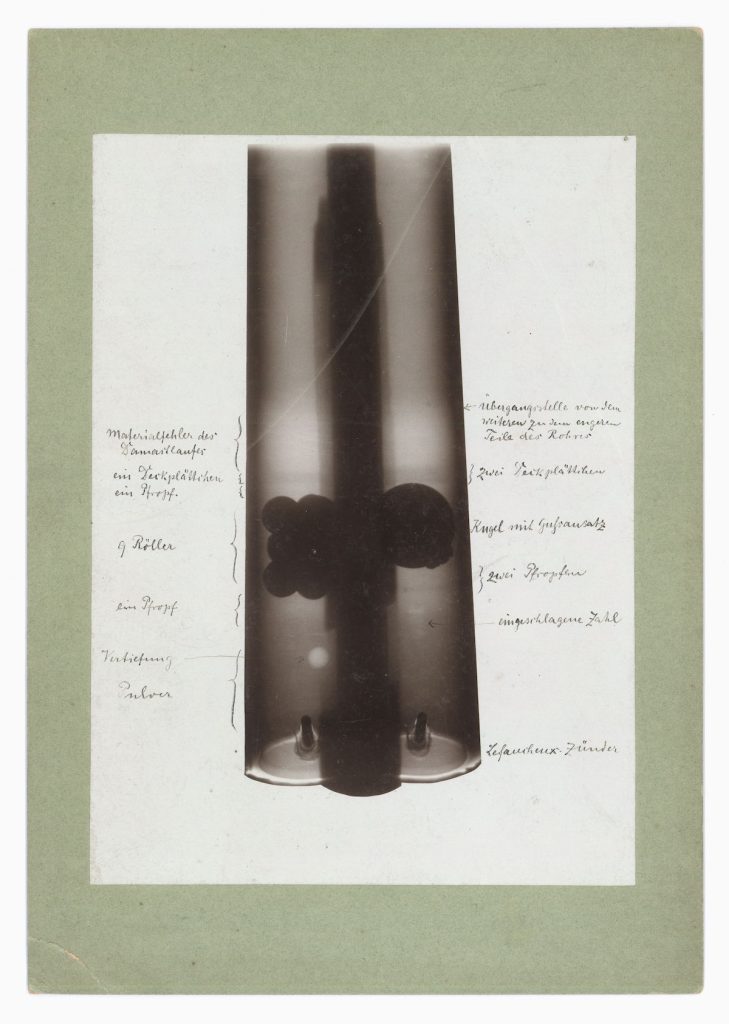
Figure 1. X-ray image of Röntgen’s own hunting rifle, taken before 12 January 1897, anomalies are marked in the image in his own hand.
These images represent the starting point of radiology as a new and innovative form of diagnostic and therapeutic medicine, as well as the development of non-destructive material testing. The selection of these six images from the entire collection of Röntgen’s estate is based on the special quality and uniqueness of these photographs. They also have an explicit connection to Wilhelm Conrad Röntgen and his wife Anna Bertha.
The image of Bertha’s hand, originally only known as “Hand mit Ringen” (hand with rings), has become a modern icon (Röntgen, 1895) (Figure 2). It was the first image of the inside of a living human body taken entirely from the outside. When these images were shown to the public, first in medical and scientific circles and soon after to the general public through illustrated magazines and public lectures, they captivated the public and sparked a huge reaction, not only in medicine but also in popular culture. Scientists worldwide tried to replicate Röntgen’s experiments, and the iconic hand was soon joined by many others. Röntgen became famous overnight, much to his dismay. He preferred the quiet life of a university researcher and, even after becoming a household name (in German, “X-rays” are called “Röntgenstrahlen”, and the verb for “taking an X-ray” is “röntgen”), he continued to research and teach at the universities of Würzburg and Munich. By not patenting his discovery or keeping it to himself, he gave the world a remarkable gift, one that remains as important as it was when he first noted the green glow from a fluorescent screen back on 8 November 1895.
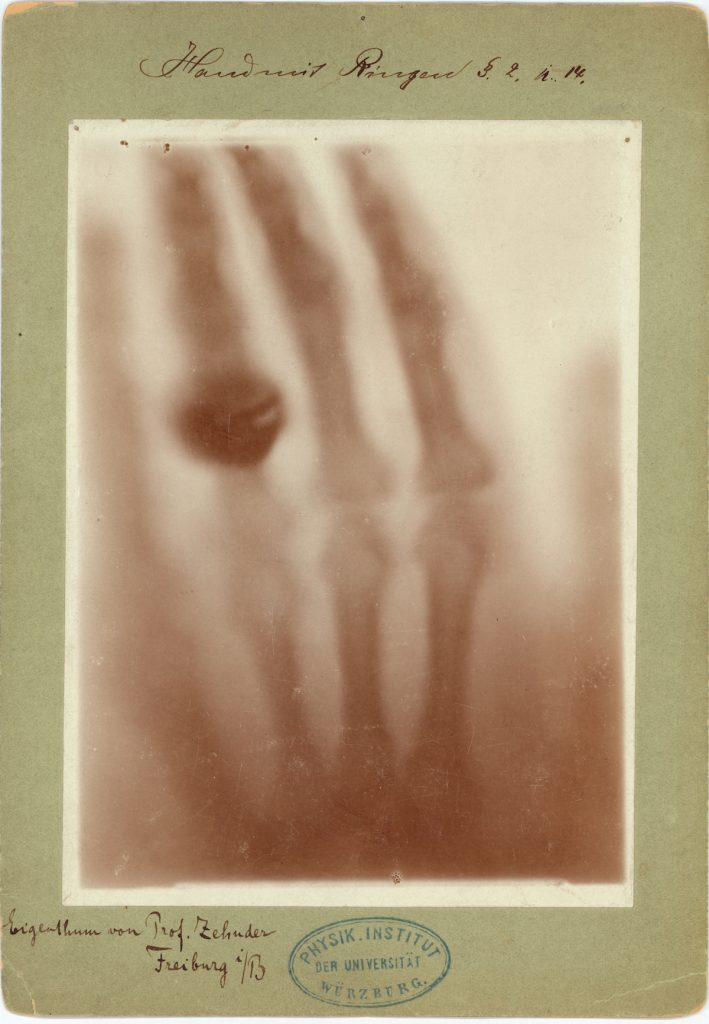
Figure 2. “Hand mit Ringen”, taken on 22 December 1895.
It was ultimately thanks to his photography hobby that he discovered X-rays, for which he received the first Nobel Prize in Physics in 1901. Had he not succeeded in capturing the results of his experiments on photographic plates in 1895 and thereby making them permanently visible, his discovery would probably not have been nearly as spectacular, nor would it have spread and developed so rapidly worldwide.
The first cataloging project of the collection ran from 2019 until 2023 and set itself the task of not only fully cataloging the photographic holdings but also of making them publicly accessible via the museum-digital.de platform.
The cataloging of historical photographs is often time-consuming compared to documents, especially when contemporary captions are missing or image motifs are unclear. For this reason, an approach to sorting and categorizing the images had to be established first, which is described below. The media contained in the estate include works by other photographers, such as carte de visite photographs (starting from around 1850), portraits in various formats (from 1870 onwards), acquired photographs of places and works of art (starting in 1865), as well as a large body of photographs by Röntgen himself, mostly surviving as glass negatives [(formats: 13 x 18 cm, 9 x 12 cm; glass stereo negatives and slides (from 1889 onwards)], and prints of single photographs (some mounted and labelled) (Figure 3).
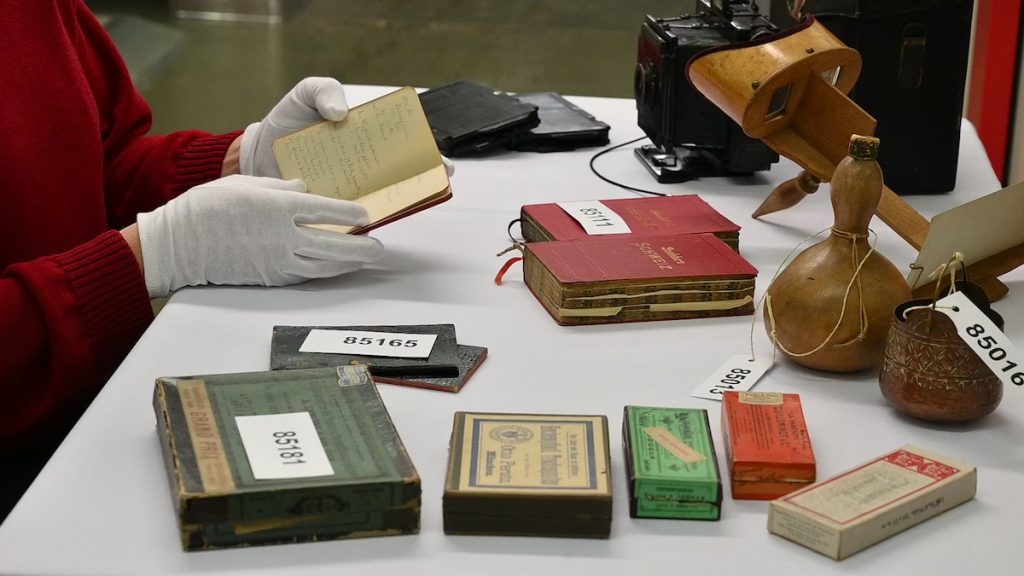
Figure 3. Selection of exhibits from the Röntgen estate
The photographic estate of Wilhelm Conrad Röntgen reflects many facets of his personality: researcher, photographer, friend, and family man. Each of these roles has led to different forms of records that require different methods of cataloging.
Röntgen, in his role as a thorough researcher, meticulously documented his experiments on glass negatives (in the formats 13 x 18 cm and 9 x 12 cm). These negatives are often dated by incisions or at least numbered. However, as Röntgen had ordered all scientific documents relating to his most important discovery to be burnt after his death, there was no easy way to identify the images and relate them to individual experiments. Luckily, when Röntgen wrote the last version of his will, he made no mention of his photography collection, but ordered the executors of his estate to proceed with all remaining items as they saw fit. The collection was thus safeguarded by his friend Marcella Boveri (née O’Grady) and later given by her daughter Margret Boveri to the museum. In contrast to other parts (see below), no cataloging aid was available for this part of the collection, so we used Röntgen’s publications to classify and describe these photographs. It turned out that Röntgen had taken all photographs documenting his experiments with his “old” plate camera with the negative format 13 x 18 cm until the spring of 1896, but all later experiments with his “new” plate camera in the format 9 x 12 cm. In principle, it was possible to correlate the resulting images and the references in his publications. This correlation is also reflected in the entries on www.museum-digital.de, where each picture was assigned the corresponding quotation. This work is ongoing, but there are many experimental photographs related to findings (or failures) that Röntgen never published, so there is little hope of completing this part of the catalog on the same level of detail as the images that have already been identified (Figure 4)
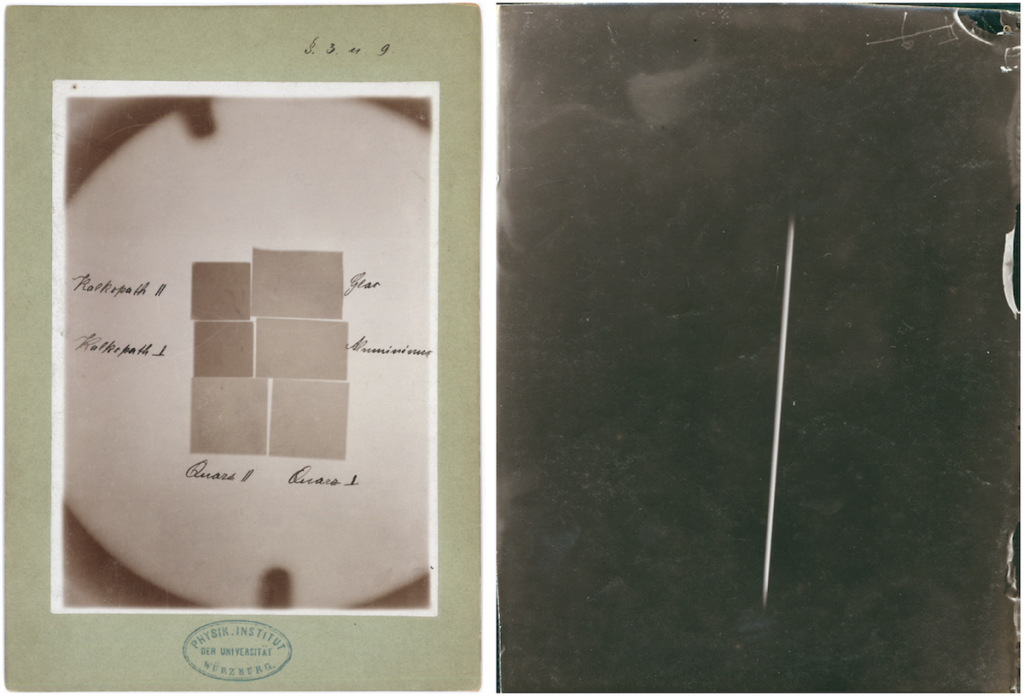
Figure 4. Best and worst case: a print of an experiment photograph, with annotations by Röntgen and the paragraph it relates to in his first publication on the discovery of X-rays (left) and a print of a photographic plate, documenting another experiment with no reference at all (right).
The importance of these images for the history of science cannot be overstated, as they are truly unique. They were indeed unsettling for his contemporaries, especially the completely new so-called “shadow images” of the inside of the human body.
Röntgen liked to postpone the documentation of his experiments until the end: most of the pictures were taken shortly before the end of the semester, when he was also writing his publications, so that he could then go on holiday with a clear conscience. There, other facets of his personality were revealed.
Röntgen, as an amateur photographer, documented his surroundings from an early age, mainly while travelling and, to a lesser extent, at his homes in Würzburg and Munich. We know from letters that Röntgen already owned a plate camera before 1889 and took photographs during his holidays, but these negatives have not survived in the collection at the Deutsches Röntgen-Museum. The first surviving series of photographs (from the autumn of 1889) was taken in the garden of the Physics Institute in Würzburg. Röntgen portrayed his wife Anna Bertha, her niece and later foster daughter, Josephine Bertha Ludwig, and their friend Lotte Baur in various poses (Figure 5).
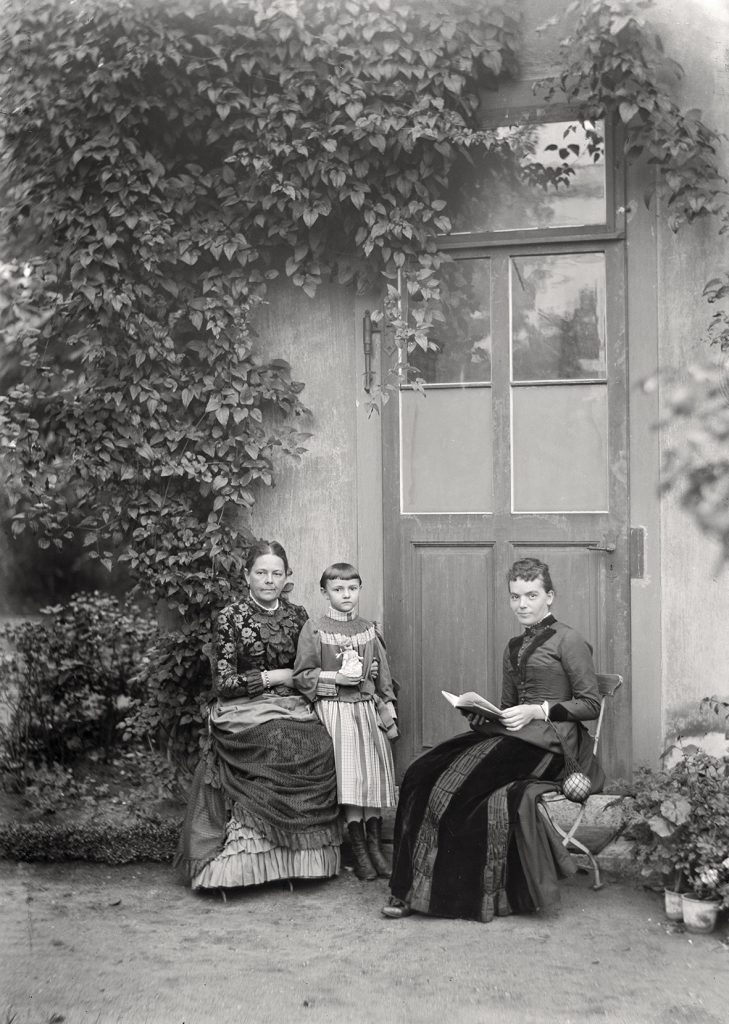
Figure 5. Bertha Röntgen with Josephine Bertha Ludwig and Lotte Baur (autumn 1889).
Once cataloging commenced, the question arose as to whether Röntgen himself had some registry system for his negatives and, if so, whether his original system could still be traced today. After an intensive search of the documents in his estate, three small notebooks and a number of loose sheets were discovered, some of which document Röntgen’s photographs. In particular, the notebooks now known as “WCR Bildverzeichnis 1–3” (picture directories) turned out to be a real treasure trove (Figure 6 and 7). In them, Röntgen recorded data about the pictures during or shortly after taking them. He usually named the subject, the day and time of the photograph, the weather, the negative number, and technical data about the camera (aperture, exposure time, etc.). As these lists were only intended for himself, they are often cryptic. People in the pictures are rarely mentioned by name, places are usually referred to by what Röntgen called them at the time, and many settings were abbreviated. Despite these obstacles, extensive study made it possible to locate and categorize almost all the images contained in the directories. This means that the photographs of all holiday trips since the summer of 1890 are now precisely documented and have been almost completely preserved since 1891. Picture directory 1 covers the period from June 1890 to September 1895. During his summer holiday in 1895, Röntgen not only took his old plate camera with the negative format 13 x 18 cm with him, but also his new camera purchased in July 1895, a so-called secret or hand-held camera from the Berlin company Stegemann, based on a design by the well-known travel photographer Richard Neuhauss, who sought to make a camera portable enough to bring it along on any travels. With the purchase of this camera using the negative format 9 x 12 cm, which for the first time made it possible to take more spontaneous photographs without the need to set up a tripod, Röntgen began picture directory 2, entitled “Apparat Neuhauss Stegemann – Erste Versuche”. This directory begins in July 1895 with the first test shots in Würzburg and runs until spring 1898. Unfortunately, there is no record for the next two years; then directory 3 begins in July 1900 and runs until January 1901. The documentation of Röntgen’s surroundings with the hand-held camera ends with a set of pictures from the snow-covered English Garden in Munich. He took a total of around 750 photographs in the above-mentioned formats. Most of them have only survived as negatives, while a smaller number were printed as positives and mounted on cardboard (Figure 8).
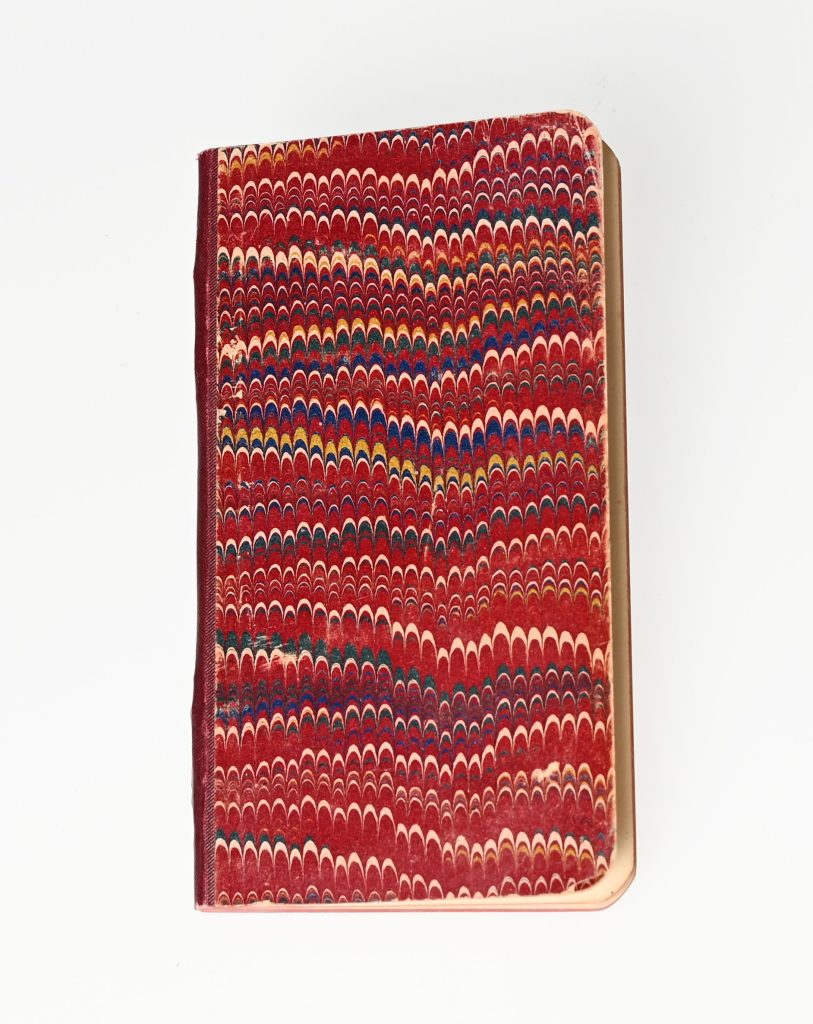
Figure 6. WCR Bildverzeichnis 3 (1900–1901).
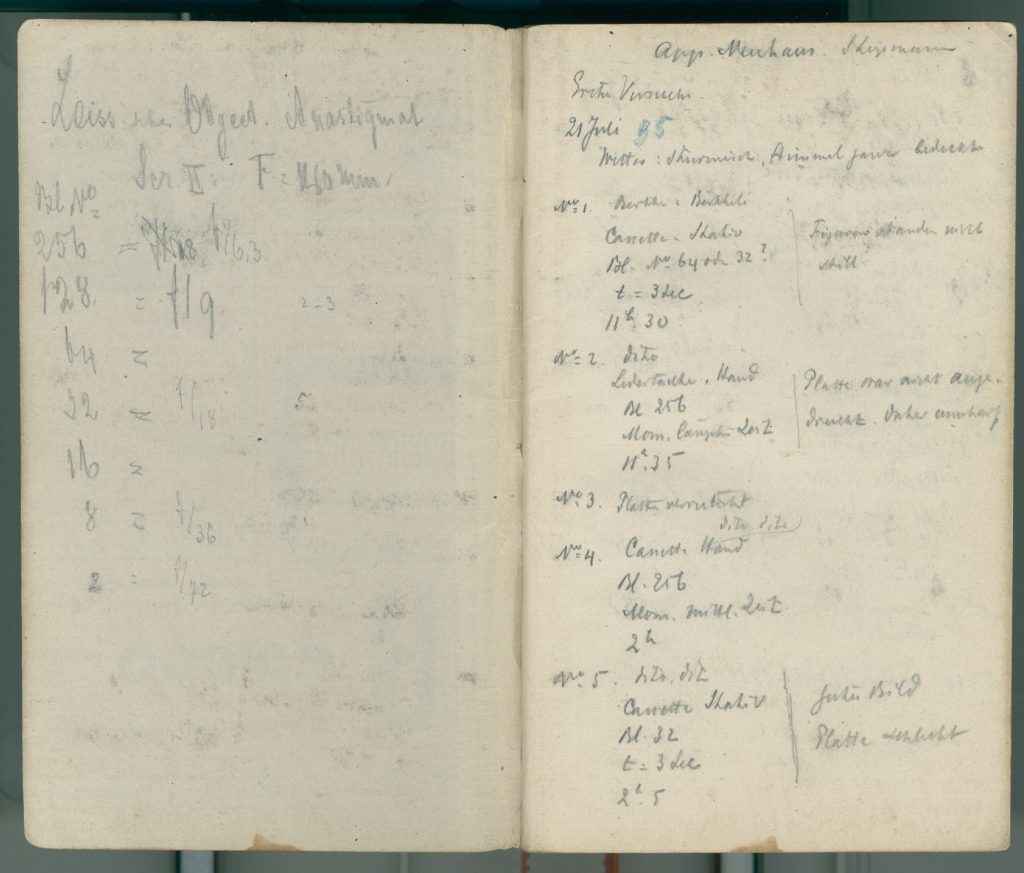
Figure 7. First double page of WCR Bildverzeichnis 2.
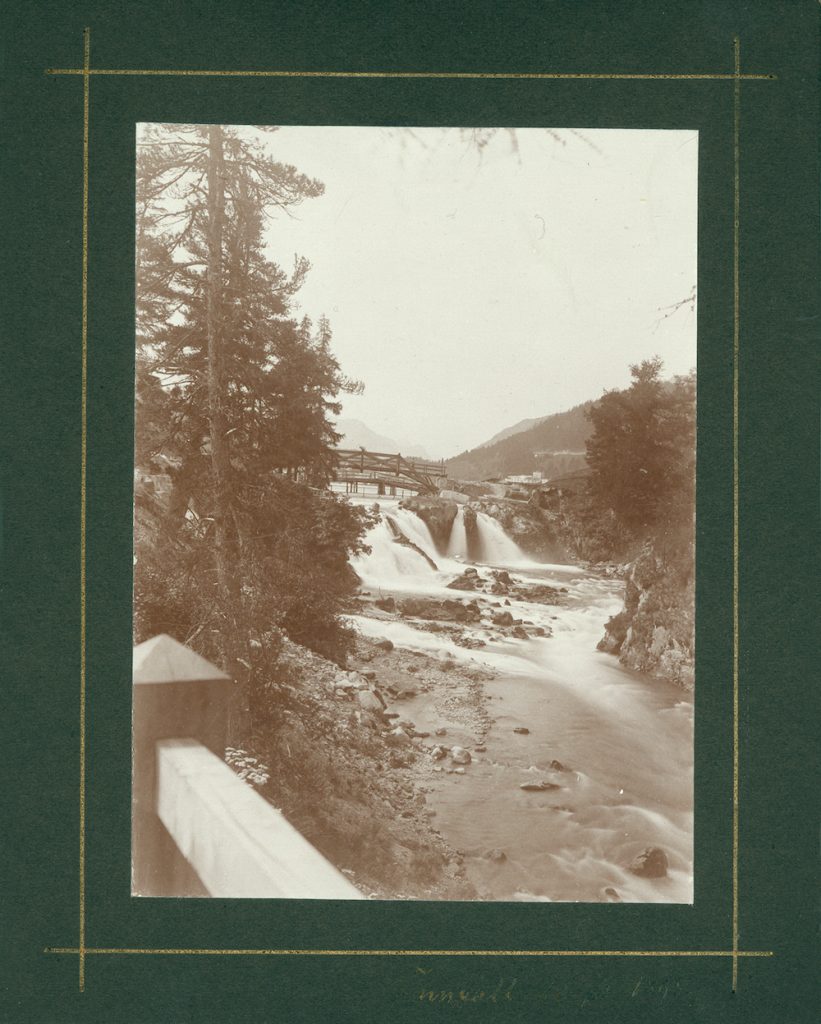
Figure 8. Print of a photograph on cardboard with W.C. Röntgen’s handwriting (1895).
From spring 1901 onwards, he photographed exclusively in stereo format on negatives measuring 4.5 x 10.7 cm. This new format was almost exclusively used by the French manufacturer Richard, who produced a complete set of appliances, from cameras and developing machines to complex stereo viewers for this specific format. Small and inexpensive, the size made it perfect for private stereo photography on the road. These pictures appear to have been preserved in their entirety, some only as negatives and others as slides with handwritten inscriptions. Unfortunately, the corresponding index is only fragmentary (the first 10 of 27 lists are missing), and the information on the photographs is much less detailed than in the earlier notebooks. This presented us with major problems when cataloging the stereo images.
Nevertheless, we managed to localize and date 553 of the 810 stereo images during the project period. It was helpful that Röntgen mostly photographed in series. This meant that even less significant motifs could be assigned to specific locations. The period so far covered is March 1901 to spring 1905 and includes holidays in Territet on Lake Geneva (spring 1901), Salzburg & Berchtesgaden (Whitsun 1901), the Swiss and South Tyrolean Alps (summer 1901–1904), Florence (spring 1902), Santa Margherita Ligure (early 1903 and 1904), and Davos (winter 1903/04). These pictures document popular destinations of international tourism at the turn of the century. There are also a number of pictures from places frequently visited by the Röntgens, such as Zurich and their hometown of Munich and its surroundings. Some of the images published on museum-digital.de as part of the project have had an impact locally, including photographs of the Whitsun procession in Berchtesgaden in 1901, which even appeared in the Munich edition of the “Bild” newspaper in November 2022. In general, the cultural-historical value of the pictures is often particularly high. Röntgen documented festivals and celebrations of which no photographs had previously been preserved, including important local festivals such as the bakers’ and butchers’ festival in Montreux, as well as world-famous events such as the “Scoppio del Carro” Easter procession in Florence. Historically relevant events such as the Kaiser’s visit to Bonn in 1891 or the overflight of the first Zeppelin in Munich in 1909 were also recorded by Röntgen. During the cataloging process, we attached particular importance to recording these details in the photographs. We were also able to improve the identification of the people around Röntgen in the stereo photographs. We were able to confirm several people, including Professor Franz Riegel with his family and the Nobel Prize winner Hendrik Antoon Lorentz, primarily based on other written sources and individual entries in the lists.
After 1913, no more of Röntgen’s personal photographs are known, and there are only very few photographs up to his death in 1923.
However, it would not have been possible to precisely identify the photographs using only 19th-century methods. It was only through the interaction with digital maps, satellite data (especially Google Earth), and other digitized sources available on the Internet (such as historical postcards) that we were able to identify Röntgen’s exact photographed locations. In many cases, it is possible to access data directly from Google Earth and Google Street View on museum-digital.de to visit the location virtually (Figure 9 and 10).
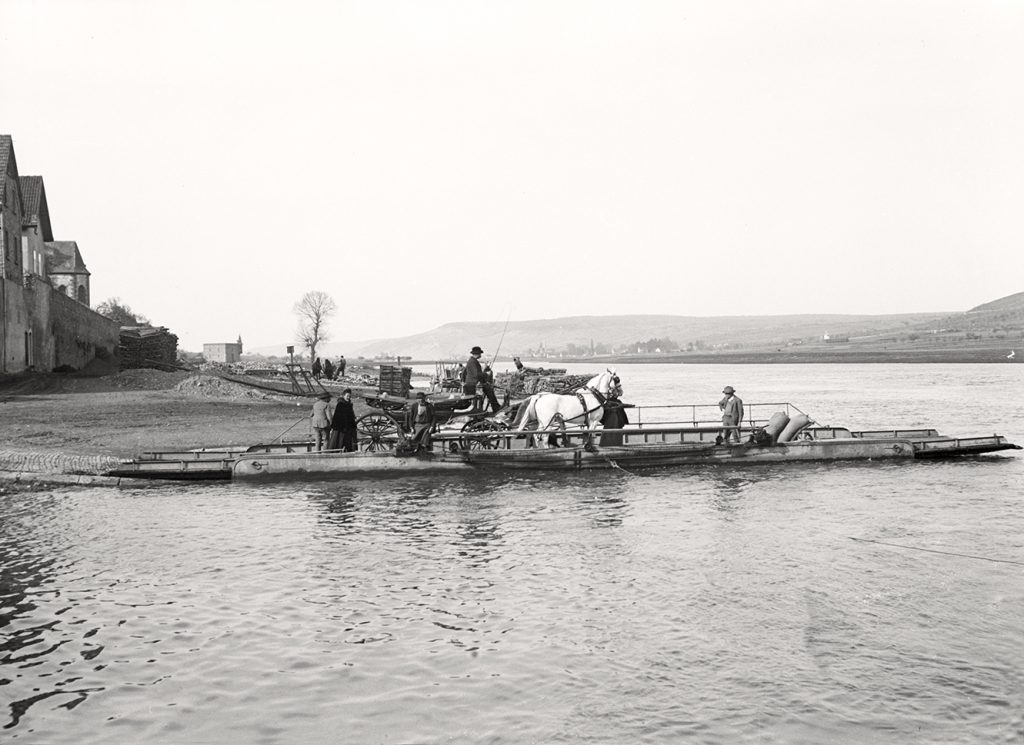
Figure 9. Ferry across the river Main between Zell and Veitshöchheim (March 1900).
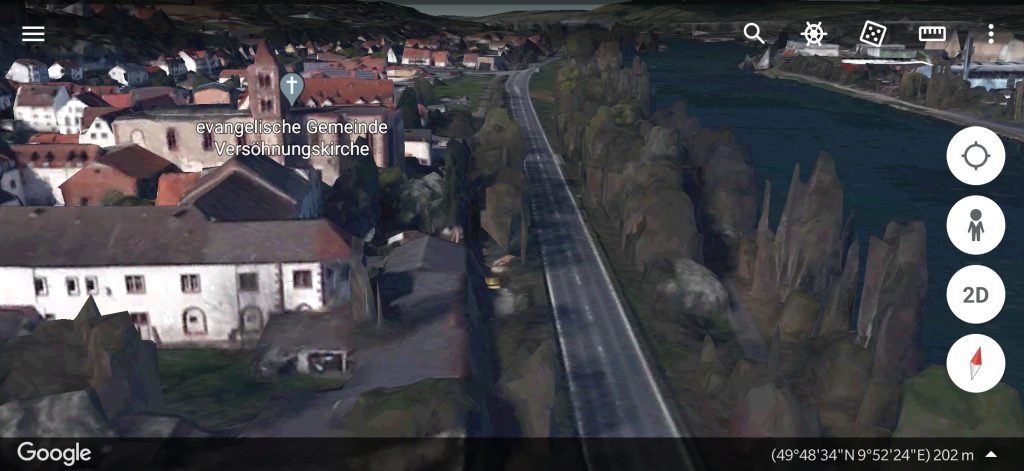
Figure 10. The same location today (screenshot Google Earth app).
Röntgen regularly captured his circle of friends in a wide variety of situations in his photographs. This resulted in unique group shots in his preferred holiday region, the Swiss Engadine, and other resorts the Röntgens frequented, as well as in their hometowns of Würzburg and later Munich. As these photographs were never intended for the public, information about the people depicted is almost entirely missing. In some cases, other people later added references, but not all are correct. Research here was much more time-consuming than for the photographs of places. With the help of information in letters from Anna Bertha Röntgen to her friends Ernestine and Lotte Baur and the comparison between photographs from different years and the guest books of the hotel Weisses Kreuz in Pontresina—which the Röntgens frequented and which are kept in the Upper Engadine Cultural Archives and were generously made available to us—a large number of the people in the photographs could be identified, but this process is not yet complete. We have still not been able to find a reliable portrait of important individuals whose names we know, and the names of people who regularly appear in his photographs remain unknown. However, we hope to gradually find more names by recording the carte de visite photographs (Figure 11).
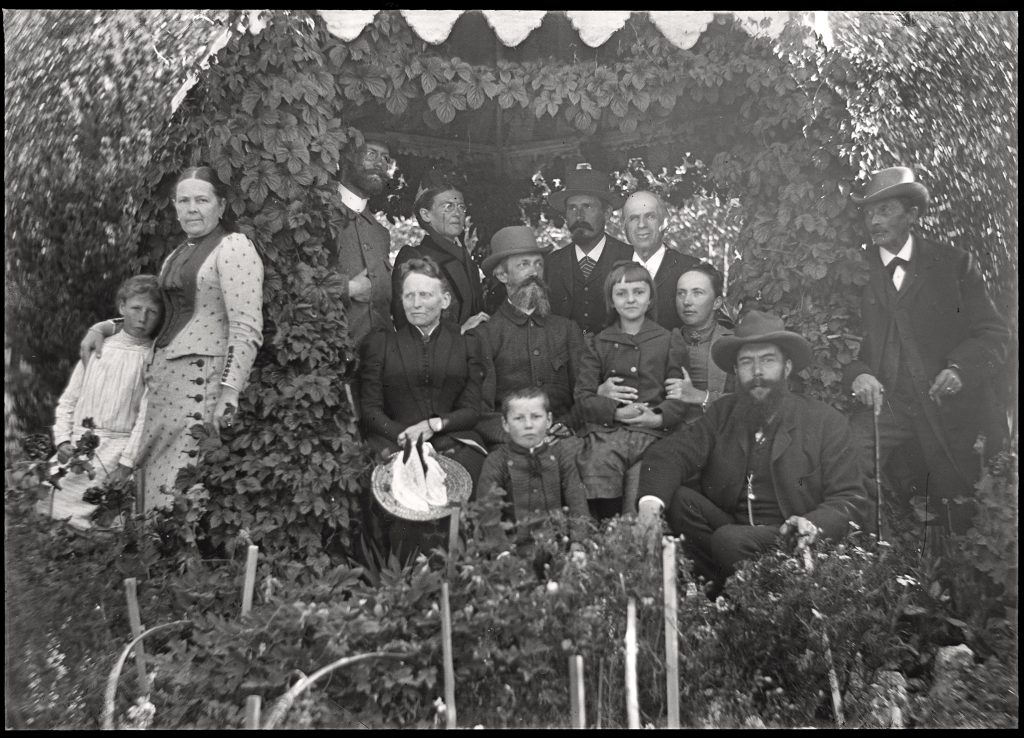
Figure 11. Group photograph in the garden in Pontresina (27 August 1891) with Bertha Röntgen (far left) and Wilhelm Conrad Röntgen (seated with hat).
Röntgen’s estate contains around 350 portraits in the formats carte de visite (CdV) and Kabinett. These formats were very popular in the early age of portrait photography. The smaller and cheaper CdV was used for the majority of portrait images. Its size is similar to a business card. Up to eight separate images could be recorded on a single glass negative. The Kabinett format used a single glass negative, which made it much more expensive. It was mostly used for special occasions or group photographs. These portraits include a large number of photographs of the Röntgen couple’s circle of friends and their children and grandchildren. These photographs were often unmarked but could be easily identified because many of Röntgen’s friends were well-known professors whose biographical data, family members, and partners are publicly accessible. We have drawn on printed biographies, manuscripts, and collections of letters, which have considerably expanded our knowledge. It was often possible to reconstruct entire families by comparing the backgrounds and backsides of the photographs and assigning them to individual photography studios and eras. Fortunately, the order of the photographs is documented in the photograph albums created by the Röntgens, and in some cases, it was also possible to reconstruct relationships between the people portrayed using the slots where the photographs were initially placed.
The condition of these prints is decent throughout; the photographs have been in their original albums for decades and are now stored in acid-free photograph sleeves in the museum’s archive (Figure 12 and 13).
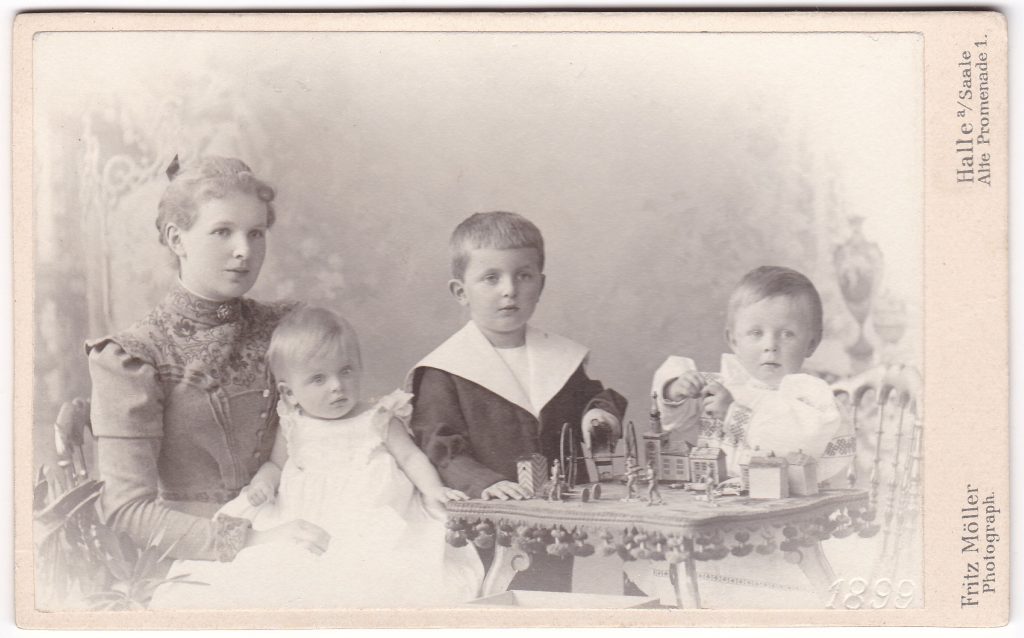
Figure 12. Emma von Hippel, the daughter-in-law of Röntgen’s friend Arthur von Hippel, with her children (1899).
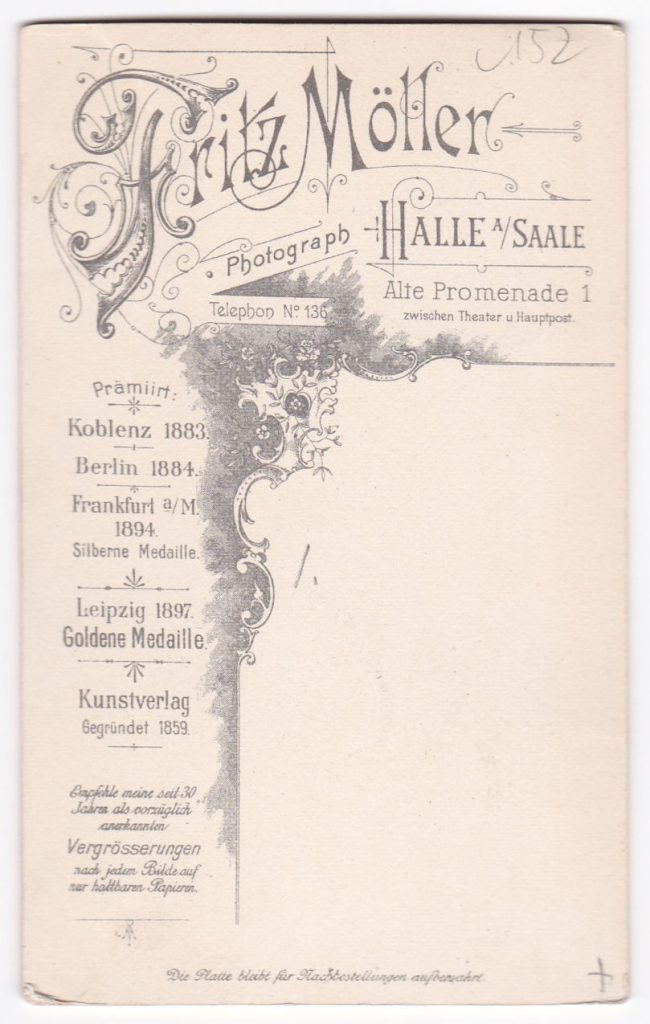
Figure 13. Back of the same image with caption.
Röntgen, as a family man, kept in close contact with his immediate and extended family in Germany, Switzerland, the Netherlands, and the United States. They regularly exchanged portraits in the above-mentioned formats, as well as larger photographs of family groups. As expected, there are many photographs of family members whom Röntgen had known since childhood, and their descendants. Surprisingly, however, there are also many early carte de visite by Dutch photographers in the collection that depict older people but are not family members. Many of these photographs are labelled with names in the same hand on the back (in Dutch). A comparison of the handwriting with the signature of Röntgen’s mother Charlotte Constanze Röntgen-Frowein on his marriage certificate suggests that she labelled these pictures. They are probably people from the circle of Wilhelm Conrad Röntgen’s parents at their home in Apeldoorn. Röntgen must have received or inherited these pictures from his mother and then mixed them with his own (Figure 14, 15, and 16).

Figure 14. Signature of Charlotte Constanze Röntgen-Frowein on the marriage certificate.
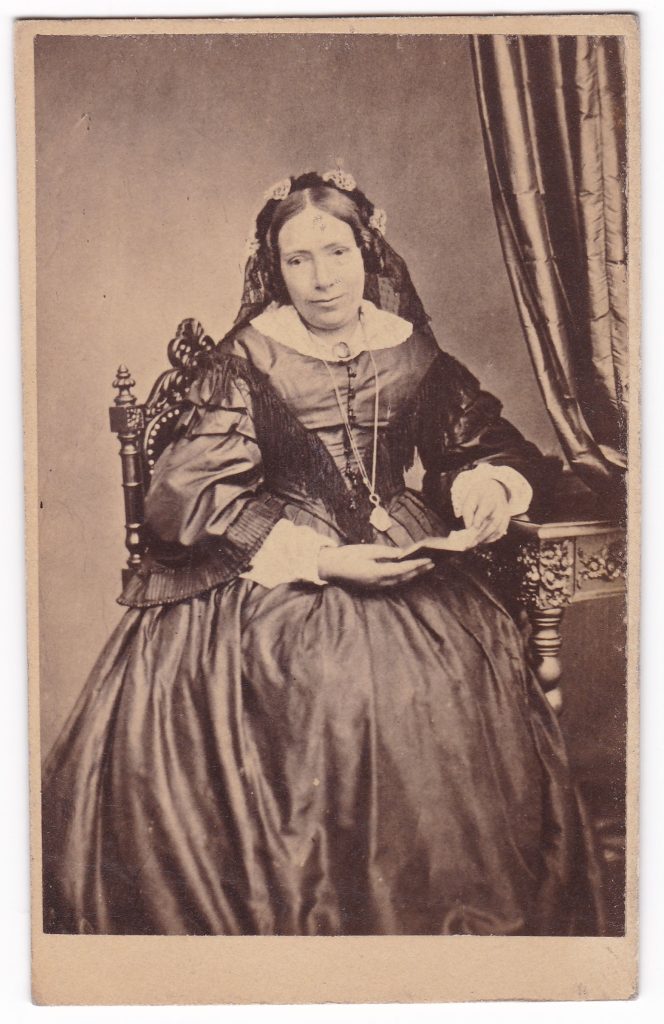
Figure 15. Charlotte Constanze Röntgen-Frowein (around 1850).
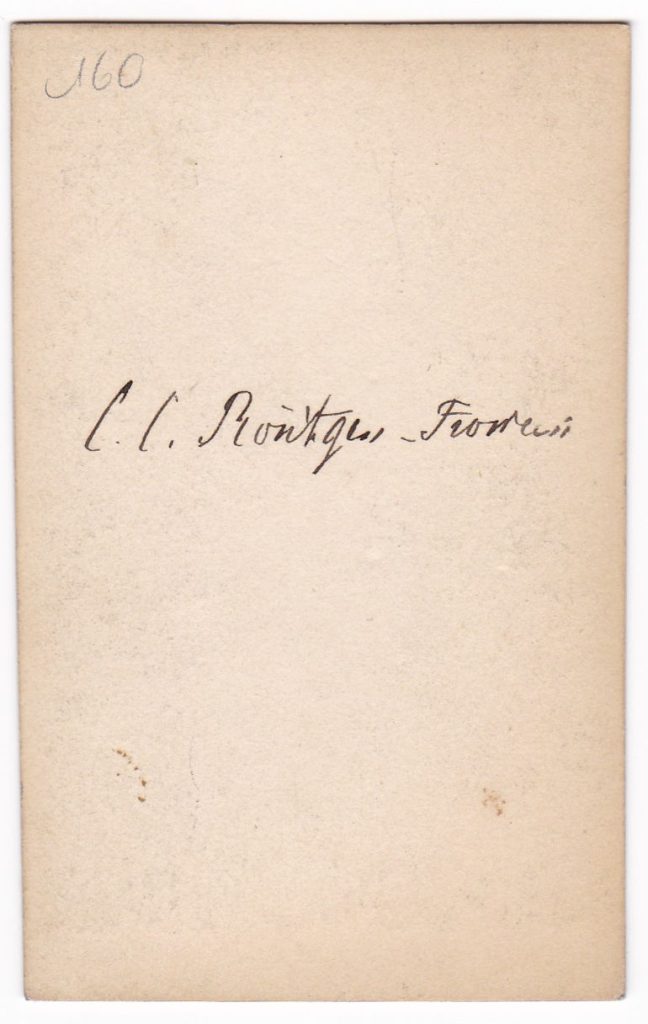
Figure 16. Reverse of the same picture with caption in her own hand.
His own collection of portraits begins with pictures of fellow students and teachers in Utrecht, followed by university students, professors, and acquaintances in Zurich, including portraits given to his wife before their wedding. This is followed by colleagues and students at the various places where Röntgen worked. Finally, there are acquaintances and friends of the Röntgens at their various holiday destinations. Many of these photographs bear names or personal dedications, and some are also dated. Unfortunately, there are also quite a number of unmarked portraits that cannot yet be identified. We have been able to achieve successes in the academic environment in particular, and many previously unknown individuals have been identified (Figure 17 and 18).
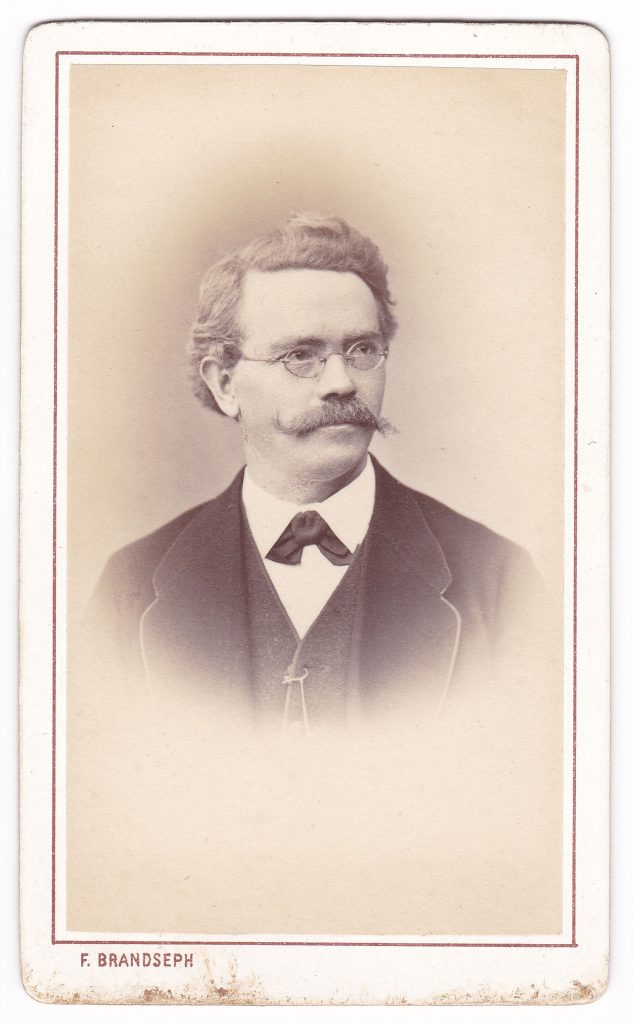
Figure 17. Franz von Baur, colleague and friend from Hohenheim (before 1878).
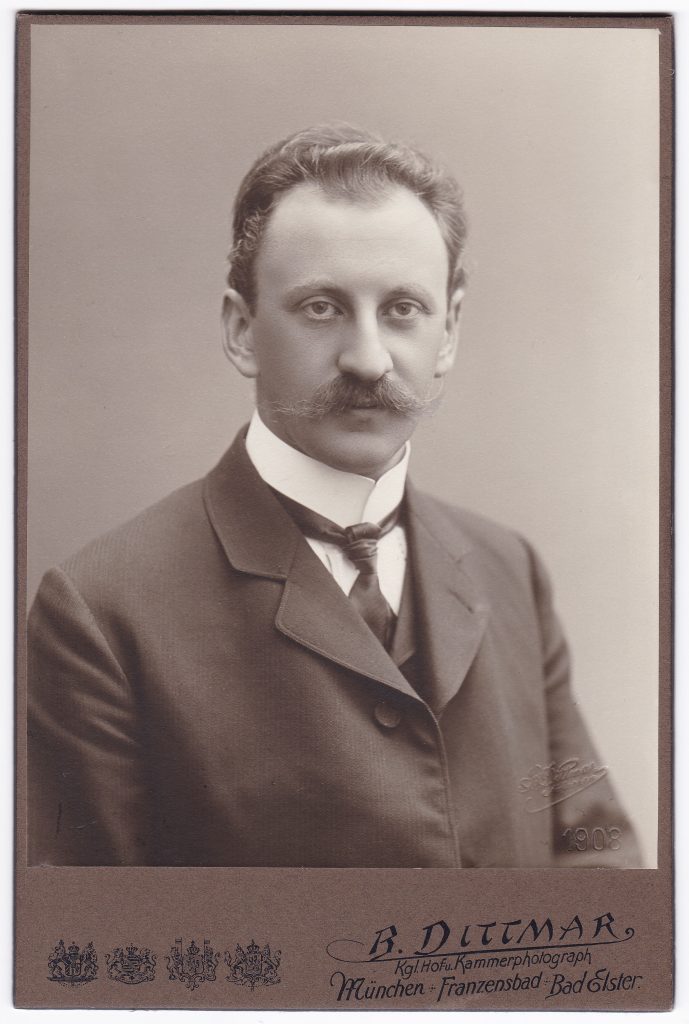
Figure 18. Abram Ioffe, assistant to Röntgen in Munich until 1905 and later founder of physics in the Soviet Union
One or two surprises were also hidden among the more than 100 photographs of places and works of art that were acquired.
For example, a photograph of the Hotel Frey in Wildbad in the Black Forest, taken by the well-known photographer Emil Blumenthal and bears his studio sticker, could be assigned to a specific event. Wilhelm Conrad Röntgen’s parents visited him in Zurich in August 1869 to meet his bride. Afterwards, they travelled together to Wildbad. They were registered as “Mr Röntgen with family, Holland” from 26 August 1869 as guests at the Hotel Frey. Otto Glasser’s biography of Röntgen (Glasser, 1931) quotes from a letter by Friedrich Conrad Röntgen to a friend: “…and so we spent 14 days in Zurich, then decided, in order to get to know the girl better, to spend a few days with her and Wilhelm in Baden-Baden and from there 14 days in Wildbad with a satisfying result. When we wanted to take our route from Wildbad to here [Holland] and at the same time the young people intended to return to Zurich, that we gladly gave our consent to an engagement at the parting in Karlsruhe, because the girl (Bertha Ludwig) is well educated, of good family, sound mind, firm character and is pleasant to deal with…” (Figure 19, 20, and 21).
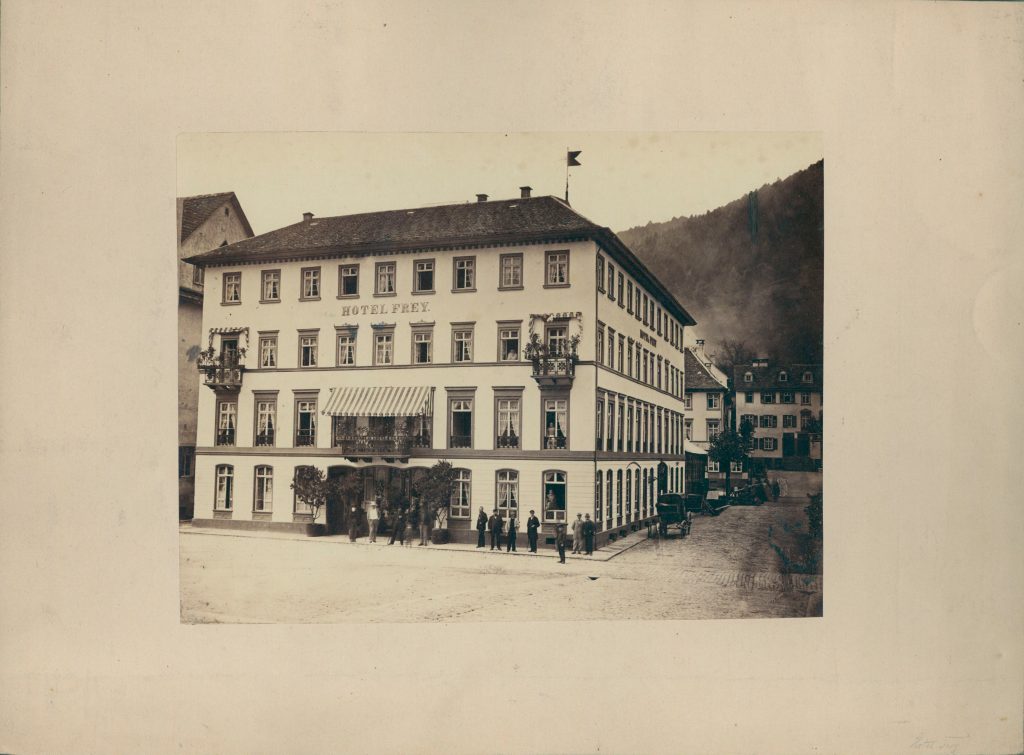
Figure 19. Hotel Frey in Wildbad/Black Forest (before August 1869).
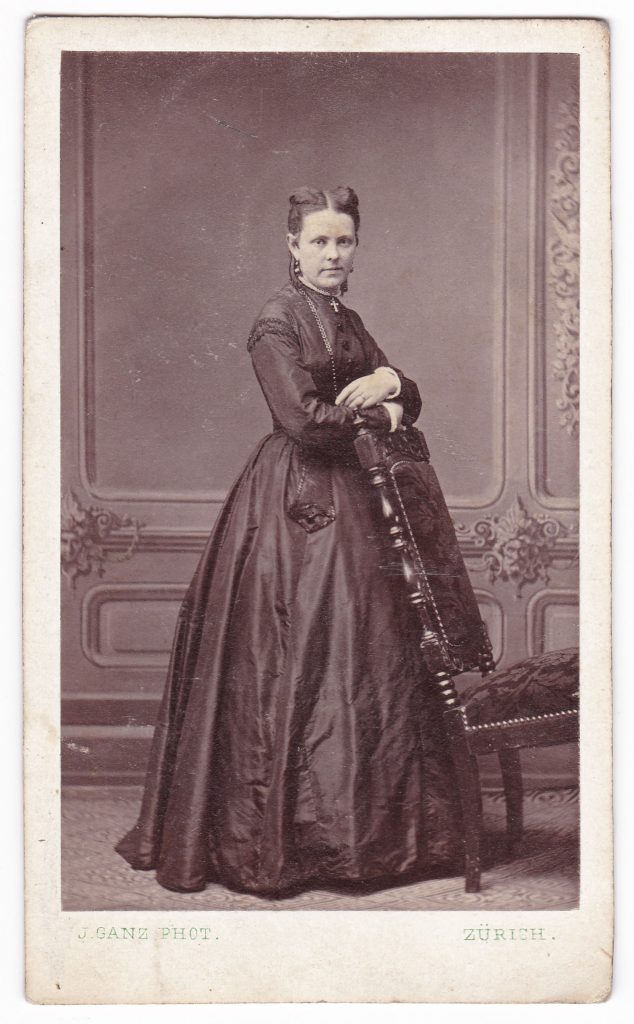
Figure 20. Bertha Ludwig in Zurich (around 1869).
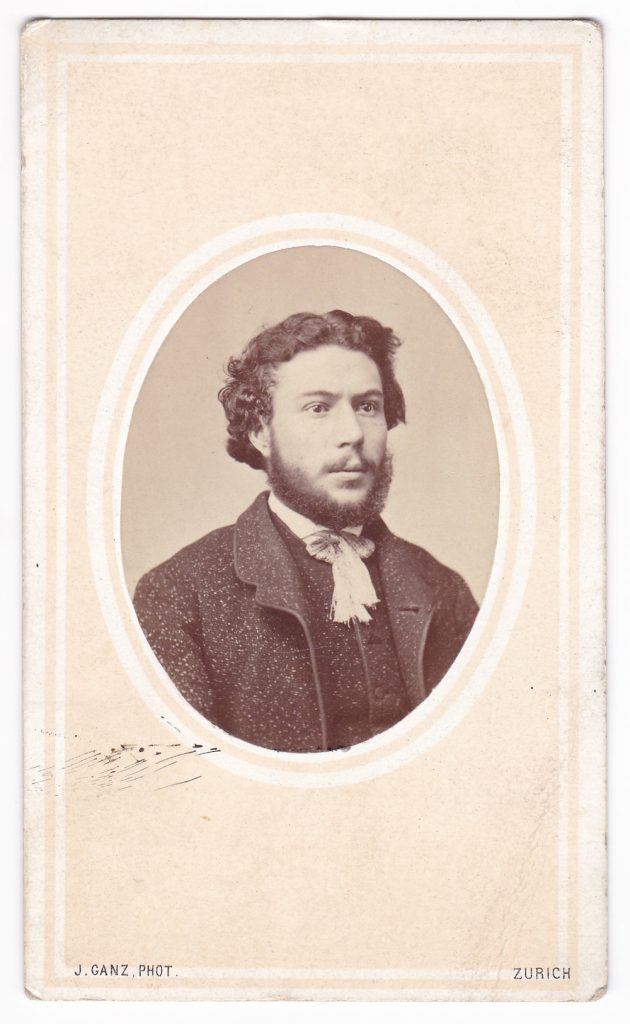
Figure 21. W. C. Röntgen in Zurich (around 1869).
Another stroke of luck was the clear identification of two photographs of Röntgen’s hometown of Lennep, including the photograph of his birthplace on Gänsemarkt, which had previously always been dated around 1910. When cataloging early reaction letters to the discovery of X-rays, we transcribed a letter by his cousin Emil Rudolf Röntgen, which had previously not been fully cataloged, written to his now-famous relative from Lennep to Würzburg in February 1896: “Perhaps I can give you a little pleasure with the following pictures, it is a view of Lennep and the house where you were born (the middle house).” This clearly clarifies the provenance of these two photographs, and it can be safely assumed that they were taken before February 1896 (Figure 22 and 23).
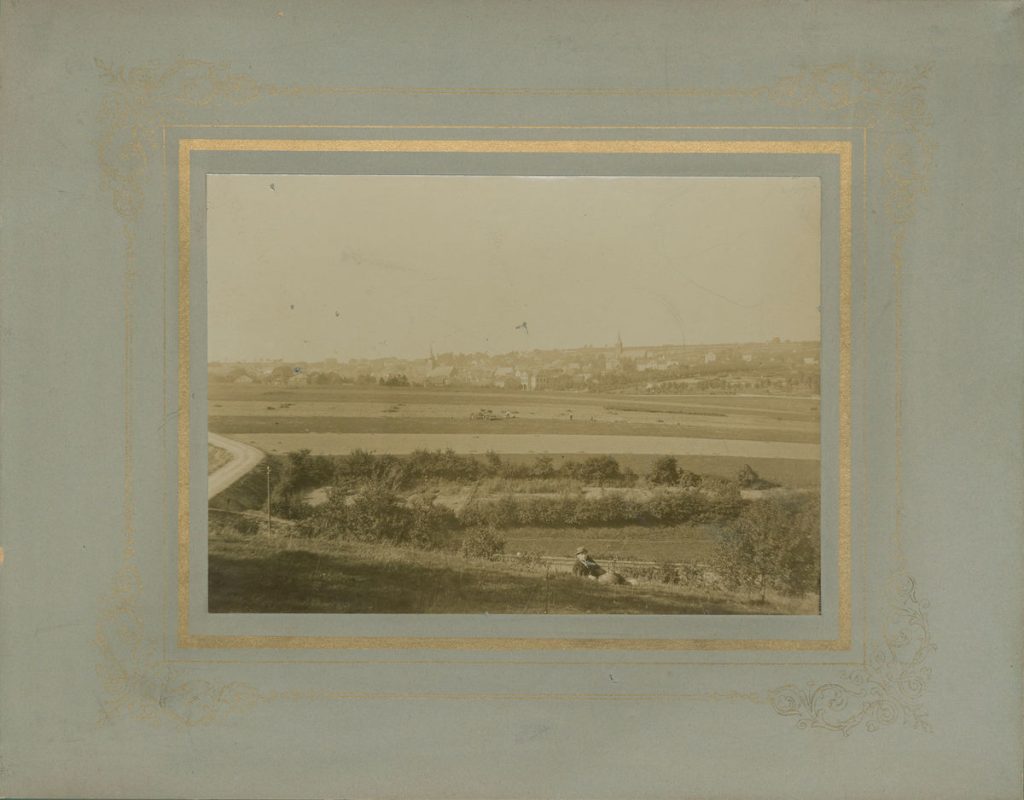
Figure 22. Lennep (before February 1896
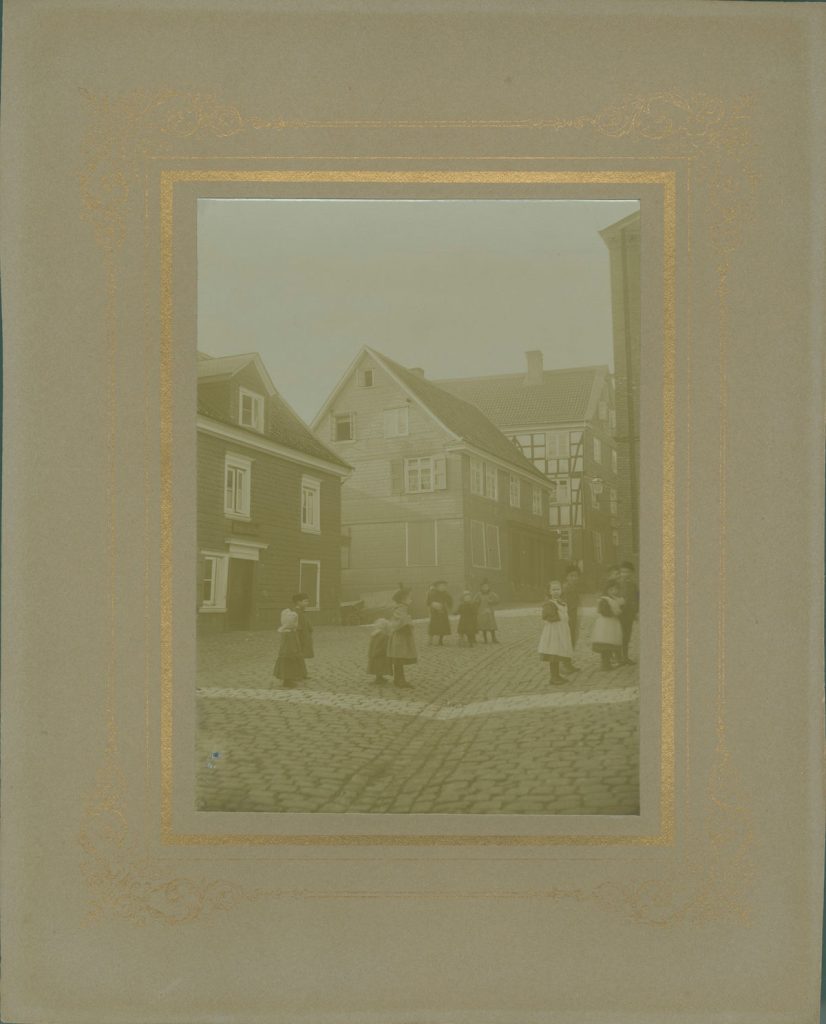
Figure 23. Röntgen’s birthplace in Lennep (before February 1896).
As important as this part of the collection is for understanding Röntgen as a person and as a man of his times, it is his scientific images that are truly unique; no one before him has captured images as he has, and the museum is proud to host such a treasure.
Digitization and cataloging of W.C. Röntgen’s photographic estate was funded by Landschaftsverband Rheinland (a regional entity for public works) in parts. The author is a freelance archivist affiliated with the Deutsches Röntgen-Museum for many years and has been working on several projects in the archive and museum collections. This manuscript is based on a preliminary report on the subject, published locally in 2021 (Michels, 2021).
Busch, U. (2020). Wilhelm Conrad Roentgen: A shining life for science. Birkhäuser. https://doi.org/10.1007/978-3-030-72243-2
Deutsches Röntgen-Museum (2017). Wilhelm Conrad Röntgen PHOTOGRAPHIEN/PHOTOGRAPHS. Bergischer Verlag.
Glasser, O. (1931). Wilhelm Conrad Röntgen und die Geschichte der Entdeckung der Röntgenstrahlen. Springer.
Michels, M. (2021). Werkstattbericht zur Erfassung des fotografischen Nachlasses von Wilhelm Conrad Röntgen. Romerike Berge Heft 1/2021.
Ritzmann, K. (2001). Wilhelm Conrad Röntgen und die Schweiz: Ein Beitrag zur Biographie des Entdeckers der nach ihm benannten Strahlen. Deutsches Röntgen-Museum.
Röntgen, W. C. (1895). Ueber eine neue Art von Strahlen (Vorläufige Mitteilung). Sitzungsberichte der Würzburger Physikalisch-Medicinischen Gesellschaft, 132–141.